

-
Empty cart
No products in the cart.
Return to Shop
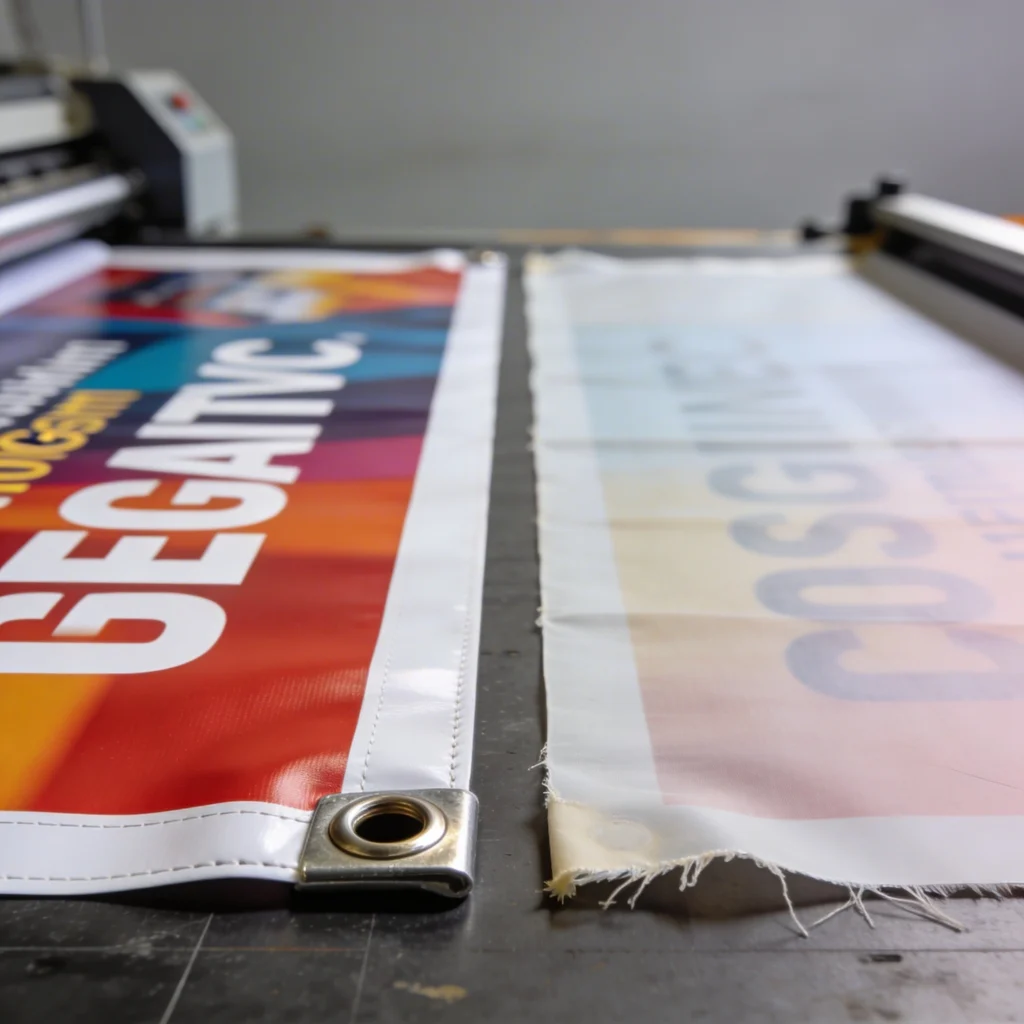
When you look closely at the materials, the core differences are clear. Custom vinyl banners usually use thicker 440–510gsm PVC, reinforced hems and quality grommets, which resist tearing and fraying. Cheap banners often skip these upgrades, leading to curling edges, stretched eyelets and print that loses clarity after a few uses.
The core differences between custom vinyl banners and cheap vinyl banners show up in material weight, print resolution and finishing. Custom vinyl banners usually use 440gsm or 510gsm PVC with 720–1440dpi print, producing crisp logos and readable small text. Cheap vinyl banners might drop to 300–380gsm and 360–600dpi, which looks acceptable from distance but degrades quickly under closer inspection or harsh weather.
Materials, Printing and Finishing Explained
Material weight directly affects how a banner hangs, resists wind and survives repeated handling. A 510gsm custom vinyl banner stays flatter and resists creasing when rolled for transport, whereas a 340gsm cheap vinyl banner can kink permanently after one tight roll. Print providers offering online banner printing often hide this in technical tabs, so checking gsm values and ink types before ordering avoids surprises when the package arrives.
Brand Impact and Perceived Quality
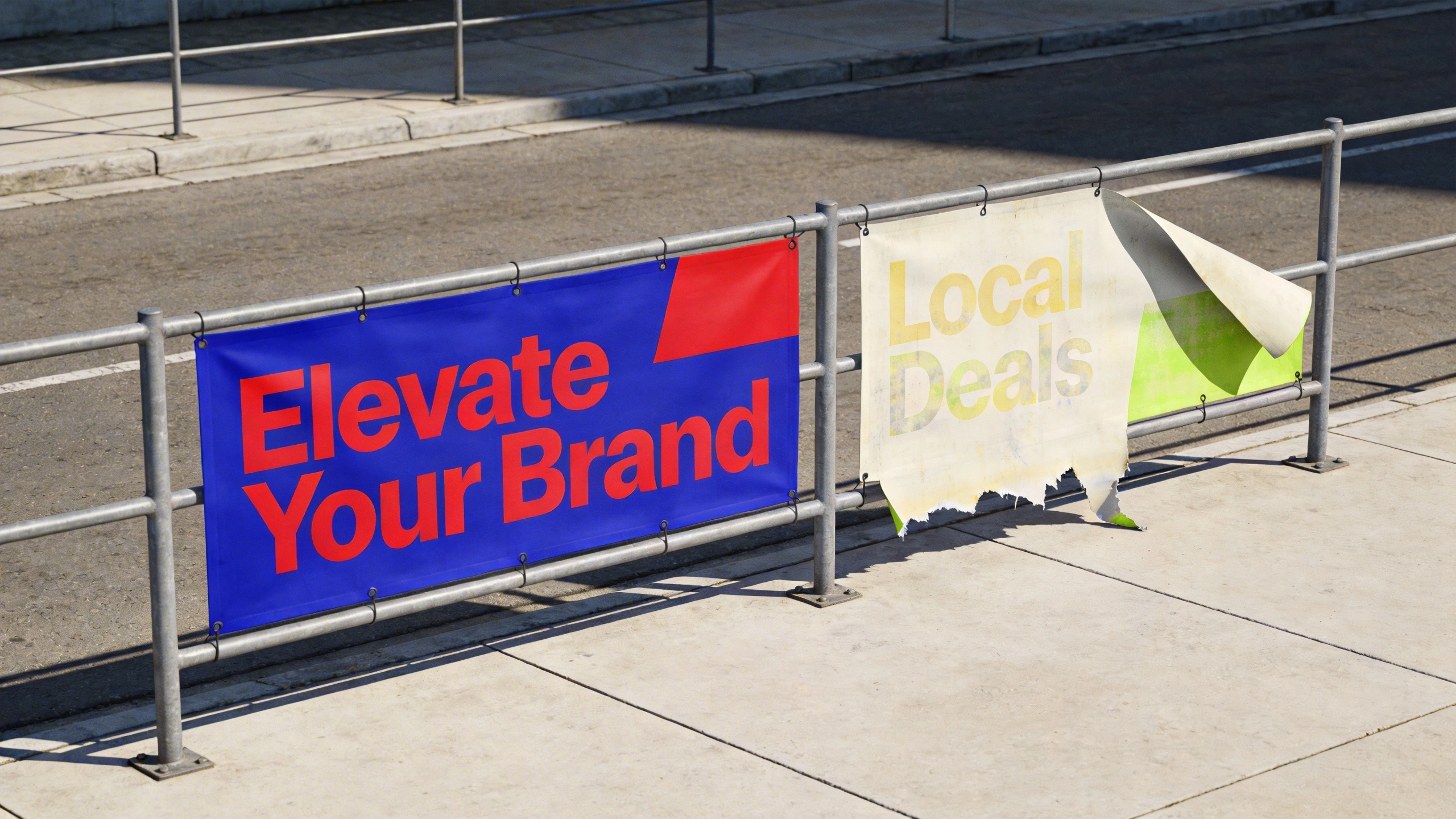
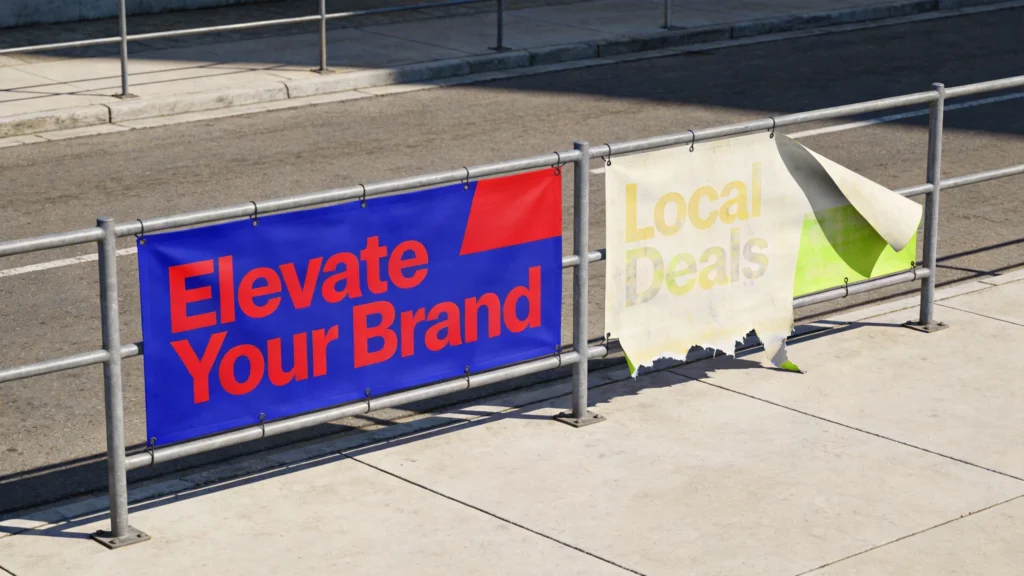
Perceived quality matters when your banner sits beside competitors at trade shows or busy high streets. A custom vinyl banner with dense colour coverage, accurate Pantone matching and welded hems signals professionalism, even from 20–30 metres away. Cheap vinyl banners with banding in gradients, fuzzy QR codes and eyelets tearing through thin hems can undermine trust, particularly for higher-ticket products or B2B services.