Extra Sale 10% off

Menu
Shopping Cart
Close

Banner Printing Services: Complete Guide to Choosing the Right Provider

Printed banners still drive footfall and enquiries in ways digital ads can’t. A well-placed 3-metre PVC banner outside a shop or event can be seen thousands of times daily, yet many campaigns underperform because the wrong supplier, material or finish was chosen.

Professional banner printing services help you turn simple artwork into durable, high-impact displays sized anywhere from 0.6-metre pull-up banners to 10-metre building wraps. Choosing the right banner printing service matters because materials, inks, finishing and installation methods directly affect visibility, lifespan and total cost of ownership across multiple campaigns.

When you compare providers, you’re not just comparing prices per square metre. You’re weighing colour accuracy, wind resistance, eyelet strength, delivery reliability and support with artwork. Understanding these trade-offs lets you brief a banner printer confidently and avoid urgent reprints that double your budget.

Whether you search for “banner printing near me” or use a national online provider, this guide explains how to assess quality, pricing, turnaround and communication. You’ll finish with a simple checklist you can reuse for every banner order, from one-off promotions to multi-site retail rollouts.

1
banner printing services

What Are Professional Banner Printing Services and Who Needs Them?

What Are Professional Banner Printing Services and Who Needs Them?

Professional banner printing services are ideal for businesses, event organizers, schools, and nonprofits that need consistent, high-impact visuals. Whether you’re promoting a grand opening, trade show, or seasonal sale, working with a specialist ensures you get the right materials, correct sizing, and polished designs that reflect your brand and attract attention.

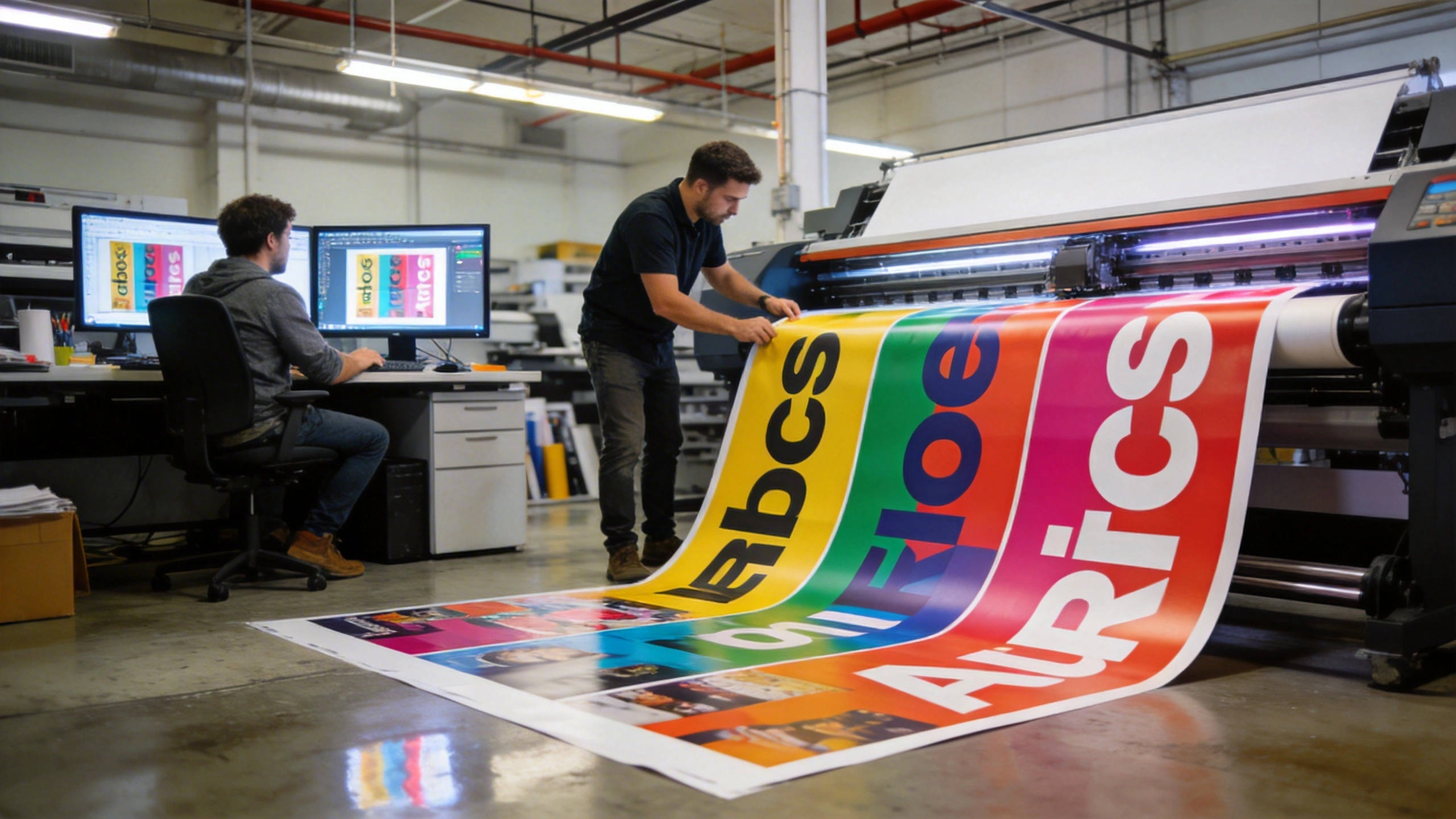
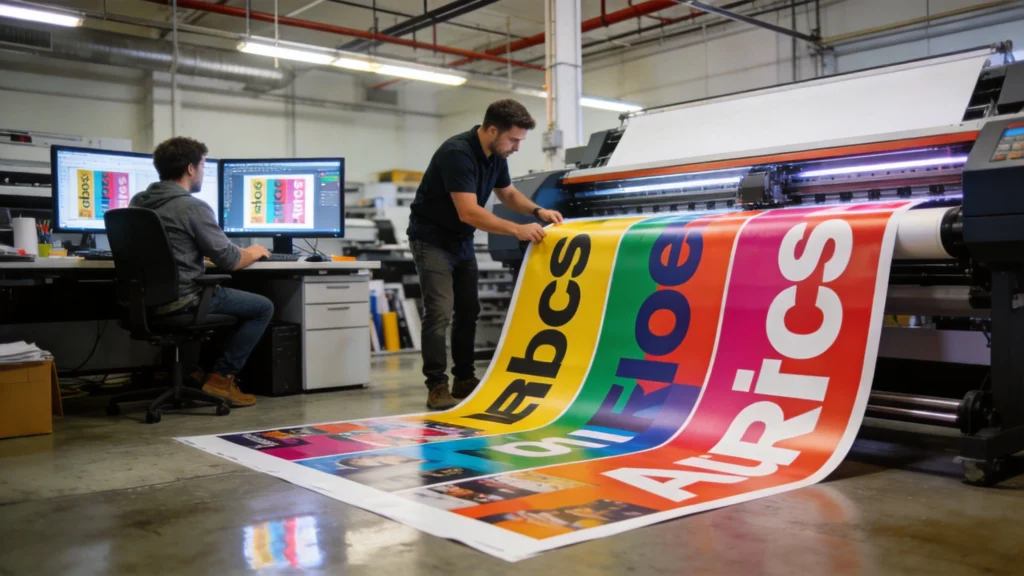
Professional banner printing services use wide-format printers, typically 1200–2400 dpi, to print graphics onto PVC, mesh, fabric or paper up to 5 metres wide. They also handle finishing, such as hemming edges, adding metal eyelets every 30–50 centimetres, and welding pockets for poles. This end-to-end process transforms digital artwork into ready-to-hang marketing assets for indoor or outdoor environments.

Typical Use Cases for Banner Printing

Businesses rely on banners whenever they need large, temporary messaging without the cost of rigid signage. Retailers use 3 × 1 metre PVC banners for seasonal sales, while gyms favour 2 × 0.8 metre indoor fabric banners to avoid glare from lighting. Event organisers often order dozens of mesh crowd-barrier covers, each around 2.3 metres wide, to brand fences without turning them into wind traps.

Who Benefits Most from a Banner Printing Service

Small businesses, franchises and marketing agencies benefit most because they can’t justify owning a £20,000 wide-format printer. Instead, they outsource to banner printing services that spread equipment and labour costs across hundreds of clients. This lets a single café order one 2 × 0.7 metre banner for under £40, while national chains can coordinate consistent branding across 200 sites using a single provider.

2
Banner Printing

Types of Banner Printing Services: Materials, Finishes, and Sizes

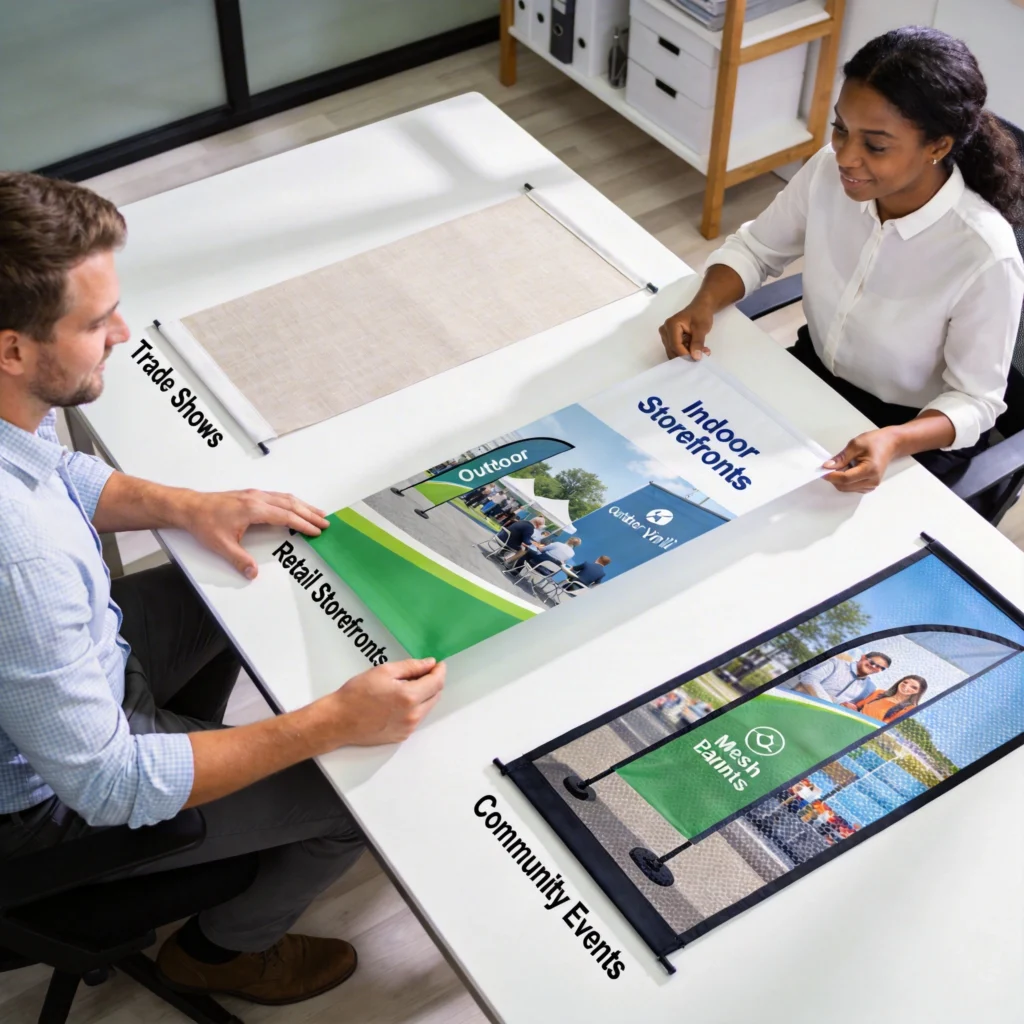
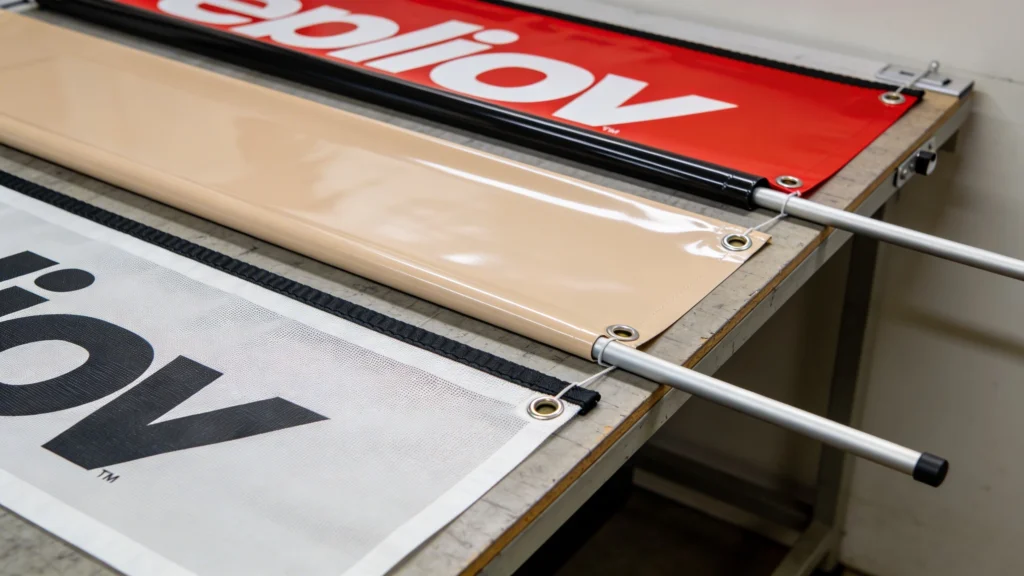
Different banner printing services specialise in specific materials and formats, which affects durability, weight and visual impact. PVC front-lit banners, usually 440–510 gsm, dominate outdoor use because they resist rain and UV for 1–3 years. Mesh banners, around 270–340 gsm, include tiny perforations that reduce wind load on scaffolding or fences. Fabric banners use polyester around 115–210 gsm for softer, crease-resistant displays indoors.

Types of Banner Printing Services: Materials, Finishes, and Sizes

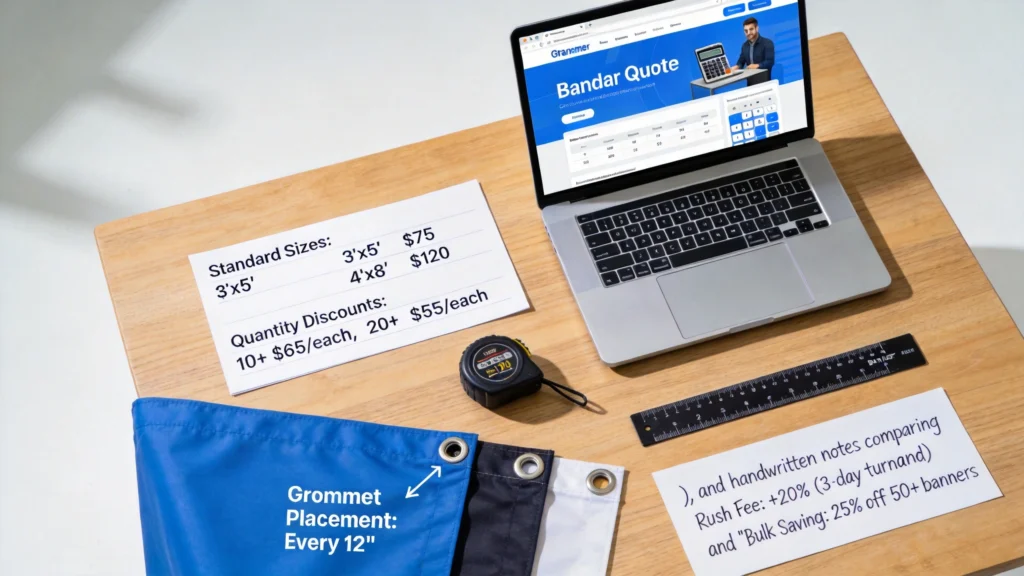
Pricing for banner printing typically depends on size, material, quantity, and finishing options like grommets or pole pockets. Many providers also factor in design services, shipping, and rush production fees. Using online calculators and detailed quotes helps you compare true total costs, not just base prices, so you can budget accurately and avoid surprises.

Material and Finish Options Explained

Each material pairs with specific finishes that impact installation and lifespan. Hemmed edges with nickel-plated eyelets reduce tearing when banners face winds above 30 mph. Pole pockets, usually 5–10 centimetres deep, slide over aluminium tubes for tensioned displays. Blockout PVC, around 610 gsm, includes a black core layer to prevent light show-through, making it ideal for double-sided hanging banners in shopping centres or exhibition halls.

Choosing the wrong material often costs more than the banner itself, because repeated replacements, emergency reprints and damaged fixtures quickly outweigh a small saving per square metre.

Common Banner Sizes and Orientation

Most banner printing services offer custom sizing in 10-centimetre increments, yet common formats still dominate orders. Landscape banners around 3 × 1 metres suit roadside railings, while 2 × 0.6 metre formats suit shopfront fascias. Portrait banners, such as 0.8 × 2 metres, work well on lampposts or café terraces. Accurate measuring of installation points prevents costly reprints when eyelets or pockets don’t align with fixings.

3
banner printing service

How to Evaluate a Banner Printing Service Provider’s Quality

How to Evaluate a Banner Printing Service Provider’s Quality

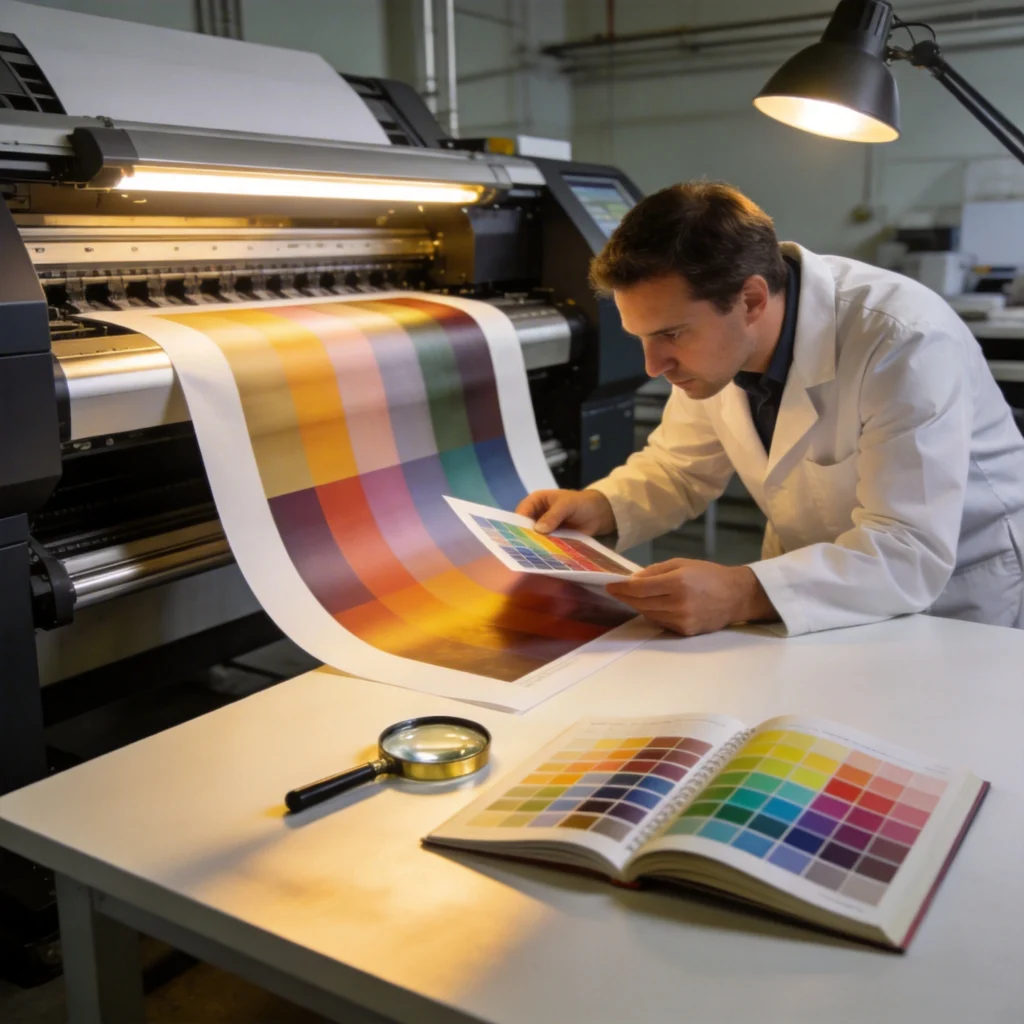
Evaluating a banner printing provider’s quality goes beyond price. Look for consistent color accuracy, crisp text, and clean finishing with no frayed edges or misaligned hems. Many reputable printers offer proofs so you can verify branding colors and readability before full production, reducing the risk of costly errors on large runs.

Evaluating a banner printing service goes beyond checking online reviews. You need objective indicators like print resolution, colour management, and finishing precision. Look for providers using recognised printers such as HP Latex or Epson SureColor, which typically operate around 1200–2400 dpi. This ensures gradients, small text around 10–12 pt, and QR codes remain legible from typical viewing distances of 2–10 metres.

Print Resolution, Colour Accuracy and Durability

High resolution matters less for distant roadside banners than for indoor displays viewed from 1–2 metres, yet consistent colour is crucial everywhere. Ask whether the printer uses ICC colour profiles and calibrated monitors to match Pantone references within a Delta E of 2–3. For outdoor banners, request UV-resistant inks rated for at least 12–24 months before noticeable fading under European sunlight conditions.

Samples, Proofs and Quality Control

Reliable providers offer printed samples or small paid test runs, such as a 0.5 × 0.5 metre section, so you can inspect sharpness and lamination. Digital proofs help verify spelling and layout, but they can’t show exact colours on PVC. Ask about final checks: good shops inspect eyelet spacing, trim accuracy within 2–3 millimetres, and colour banding before dispatch, catching errors before they become installation-day crises.

4

Pricing Models for Banner Printing Services and What Affects Cost

Most banner printing services price jobs by area, usually per square metre, then add surcharges for finishing, artwork setup and urgent production. A typical UK online printer might charge £12–£18 per square metre for 440 gsm PVC, with basic hems and eyelets included. However, extras like reinforced corners, double-sided printing or fire-retardant certification can push prices 20–40% higher, especially on small runs.

Pricing Models for Banner Printing Services and What Affects Cost

When comparing banner types, material and finish matter as much as the design. Outdoor vinyl with reinforced hems and grommets works best for long-term exposure, while fabric banners suit indoor events where a softer, premium look is needed. Understanding these options helps you match durability, appearance, and budget to your specific application.

Banner Pricing Breakdown by Specification

Understanding how each specification affects cost helps you prioritise features. For example, upgrading to blockout PVC often adds £4–£6 per square metre, while switching from PVC to polyester fabric might add 15–25%. Providers may discount large orders above 20–30 square metres because setup time spreads across more material. The table below illustrates typical UK online pricing ranges for standard banner options.

Material / Option Typical Price / m² Use Case Cost Impact vs Basic PVC
440 gsm PVC £12–£18 General outdoor promotions Baseline
Mesh 330 gsm £15–£22 Scaffolding, fences, windy sites +20–30% for wind resistance
Blockout 610 gsm £18–£26 Double-sided hanging banners +40–60% for light block
Polyester fabric £16–£24 Indoor retail, exhibitions +25–40% for premium finish
Rush production (24h) +20–50% Last-minute campaigns Surcharge on base material
Design/artwork service £25–£60/hour Layout, file fixing One-off per design

When comparing quotes, calculate total project cost rather than fixating on price per square metre. Include delivery, design time, fixings and potential reprints. A slightly higher unit price from a reliable banner printing service can be cheaper overall if accurate proofs, robust packaging and dependable delivery prevent missed launch dates or site visits wasted by unusable graphics.

5

Turnaround Times and Delivery Options for Banner Printing Services

Turnaround times for banner printing services typically range from 24 hours for simple PVC jobs to 5–7 working days for complex, multi-banner campaigns. Production speed depends on queue length, drying times for solvent or latex inks, and finishing capacity. Understanding each stage helps you work backwards from your installation date, building in at least one extra day for unexpected courier delays or artwork amendments.

Turnaround Times and Delivery Options for Banner Printing Services

Production Schedules, Rush Jobs and Cut-off Times

Most online printers publish cut-off times, often 11:00–14:00, for same-day or next-day dispatch. Orders approved after that usually move to the following day’s print queue. Rush options may limit materials to fast-drying PVC and exclude sewing-intensive finishes like fabric pockets. If you need 10–20 banners for a nationwide rollout, expect standard production of 3–4 working days, plus 1–2 days for delivery to multiple addresses.

Always plan delivery at least one working day before installation; this buffer absorbs courier issues, damaged parcels or last-minute venue changes without derailing your campaign.

Delivery, Collection and Packaging Considerations

Local banner printers often allow collection, saving £8–£15 per parcel and avoiding missed courier slots. Online services typically use tracked next-day couriers with delivery windows. Ask about packaging: banners should arrive rolled, not folded, to prevent permanent creases, especially on 510 gsm PVC. For large site deployments, consider shipping directly to venues, labelling each tube with location and installation instructions.

6

Online vs Local Banner Printing Services: Pros and Cons

Online vs Local Banner Printing Services: Pros and Cons

Choosing between an online banner printing service and a local shop involves balancing price, convenience and support. Online providers often run large production hubs, achieving lower costs per square metre, especially on orders above 5–10 square metres. Local printers, however, offer face-to-face advice, physical material samples and easier problem resolution when deadlines are tight or installation conditions are unusual.

Comparing Convenience, Support and Proofing

Online services streamline ordering with instant quotes, upload portals and automated proofing, making repeat orders fast for experienced buyers. Yet complex projects, like irregular building façades or heritage sites, benefit from local site visits and tape-measure checks. Local shops can print one-off test strips, adjust colours while you wait and coordinate with installers, reducing risk when you lack detailed technical drawings or artwork experience.

  • Online printers usually offer lower unit prices above 5 m², but charge separate delivery for each shipping address.
  • Local shops provide tactile samples of PVC, mesh and fabric, helping non-designers understand texture, weight and opacity.
  • Online ordering suits standard rectangular banners; unusual shapes or cut-outs need closer communication and custom quoting.
  • Local providers can sometimes repair or re-grommet damaged banners same day, extending lifespan without full reprints.
7

Common Mistakes When Ordering Banner Printing Services

Many banner orders fail not because of poor printing but because of avoidable briefing mistakes. Common issues include supplying low-resolution JPEGs pulled from websites, choosing indoor fabric for exposed outdoor sites, or underestimating wind load on large banners above 5 square metres. These errors cause pixelated graphics, premature tearing, safety concerns and rushed reorders that wipe out any initial savings.

Common Mistakes When Ordering Banner Printing Services

Frequent Ordering Errors and How to Avoid Them

Misjudging viewing distance leads to text that’s unreadable from the pavement or roadside. As a rule, main headlines should be at least 7–10 centimetres high for every 10 metres of viewing distance. Another frequent mistake is ignoring fixings: ordering eyelets every metre when the fence posts are 2 metres apart, causing sagging. Clarifying installation points and distances beforehand prevents such structural problems.

  • Supplying RGB artwork instead of CMYK causes colour shifts; request CMYK export from your designer before uploading.
  • Forgetting bleed and safe areas risks cropped logos; ask for 5–10 mm bleed and 30–50 mm safe margins.
  • Using tiny contact details undermines response; ensure phone numbers exceed 40–50 mm height on roadside banners.
  • Not checking local bylaws can trigger removal; verify council rules on roadside banner sizes and placement beforehand.
8

How to Brief a Banner Printing Service for the Best Results

How to Brief a Banner Printing Service for the Best Results

A clear brief lets any banner printing service deliver accurately on the first attempt, saving days of emails and reproofs. Start by defining the banner’s purpose, location and lifespan: for example, a 3 × 1 metre roadside banner for a three-month housing development launch. Share photos and exact measurements of railings or walls, including any obstructions like lights, pipes or emergency exits.

Essential Information to Provide in Your Brief

Your written brief should include finished size, orientation, material preference, fixing method and required delivery date. State whether you’ll supply print-ready artwork or need design support. If you’re searching “banner printing near me” and visiting a local shop, bring brand guidelines, Pantone references and example prints. This context helps the printer suggest suitable materials, such as mesh instead of PVC for windy coastal locations.

Artwork Specifications and File Preparation

For best results, prepare artwork at 25–50% scale with a resolution of 150–300 dpi at final size. Use vector formats (PDF, AI, EPS) for logos and text to keep edges sharp on large prints. Convert fonts to outlines or supply font files to prevent substitutions. Ask your banner printing service for a template showing bleed, safe areas and eyelet positions, then export in CMYK with embedded profiles.

Spending an extra 20 minutes on a precise brief and properly prepared artwork can save two days of revisions, courier delays and installation headaches on time-sensitive campaigns.

Before approving the final proof, double-check spelling, dates, phone numbers and URLs, ideally with a colleague who hasn’t seen earlier drafts. Confirm delivery address, contact name and access times with the printer. This disciplined sign-off process ensures your banner arrives ready to install, looks professional from the first day, and maximises the return on every square metre of printed material.

Cart