
-
Empty cart
No products in the cart.
Return to Shop
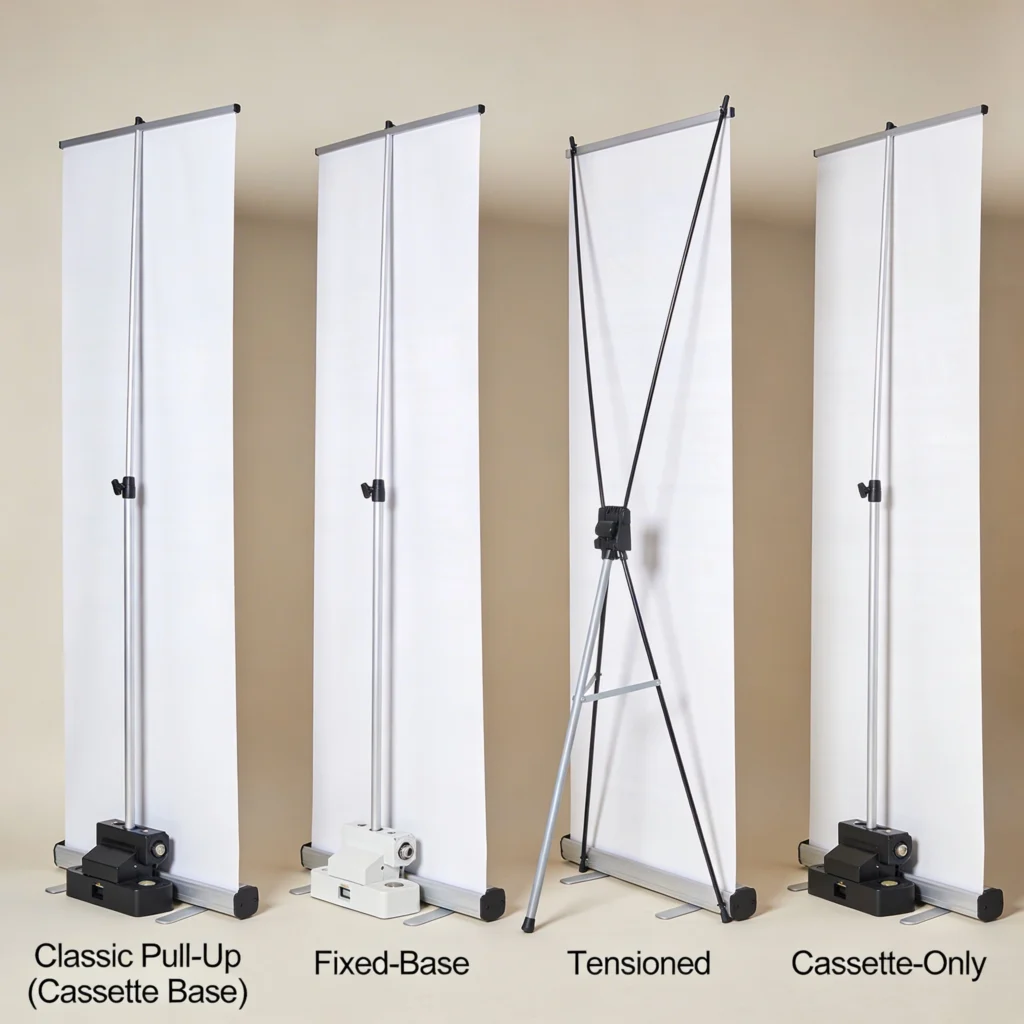
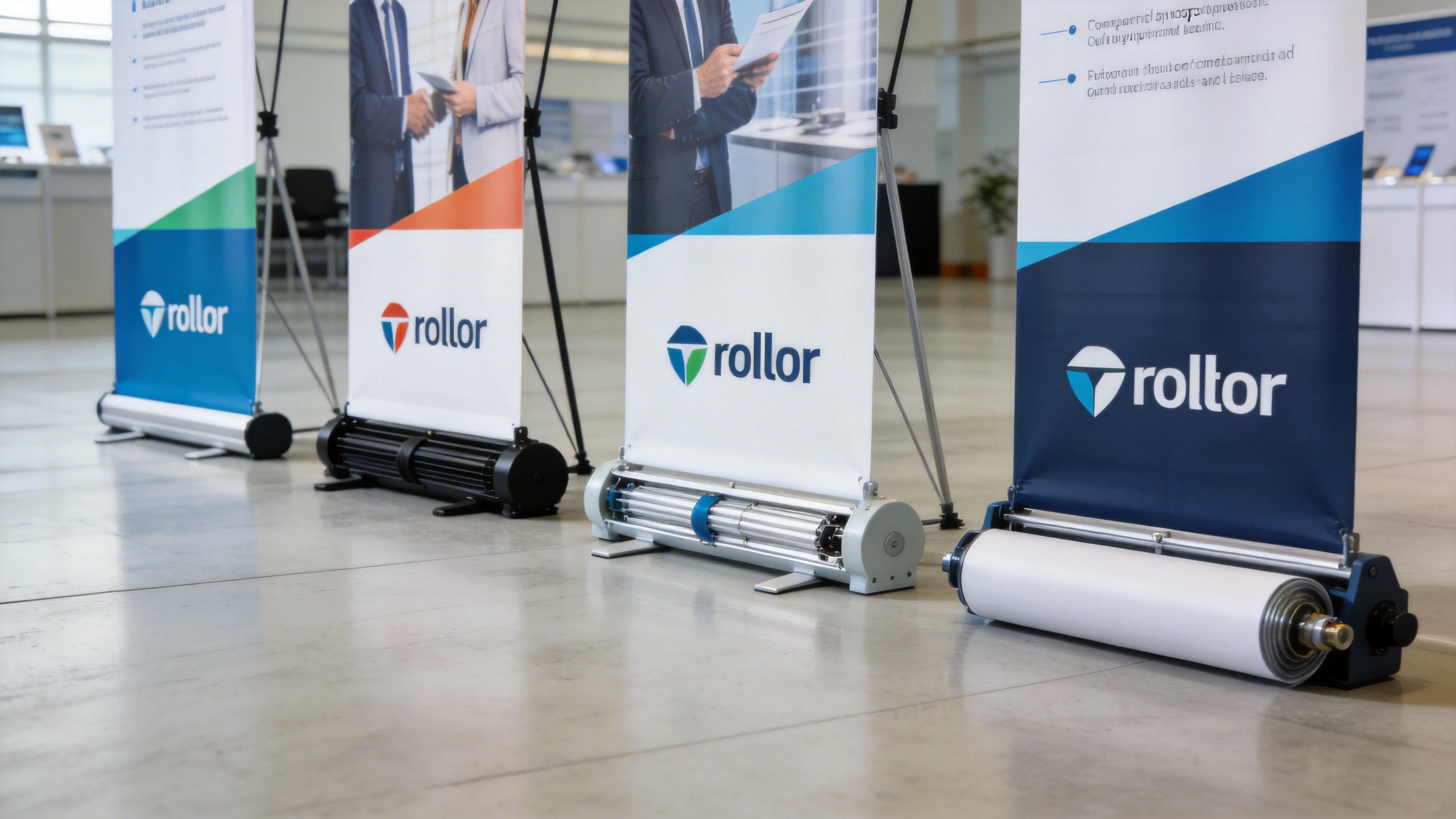
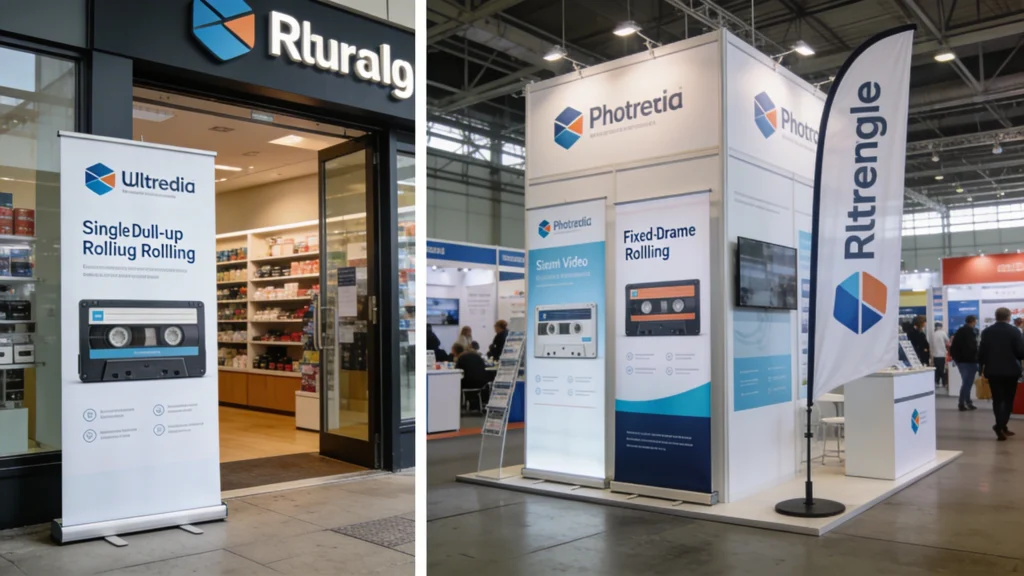
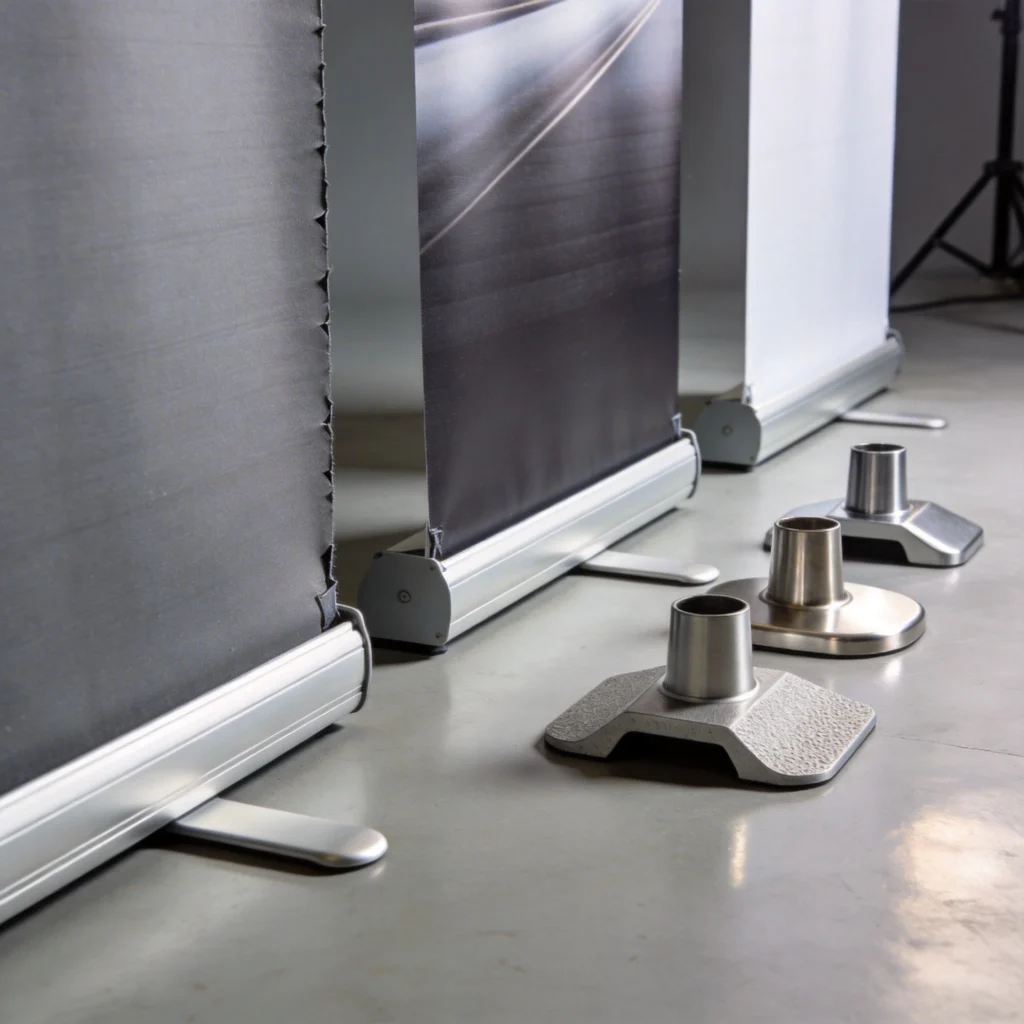
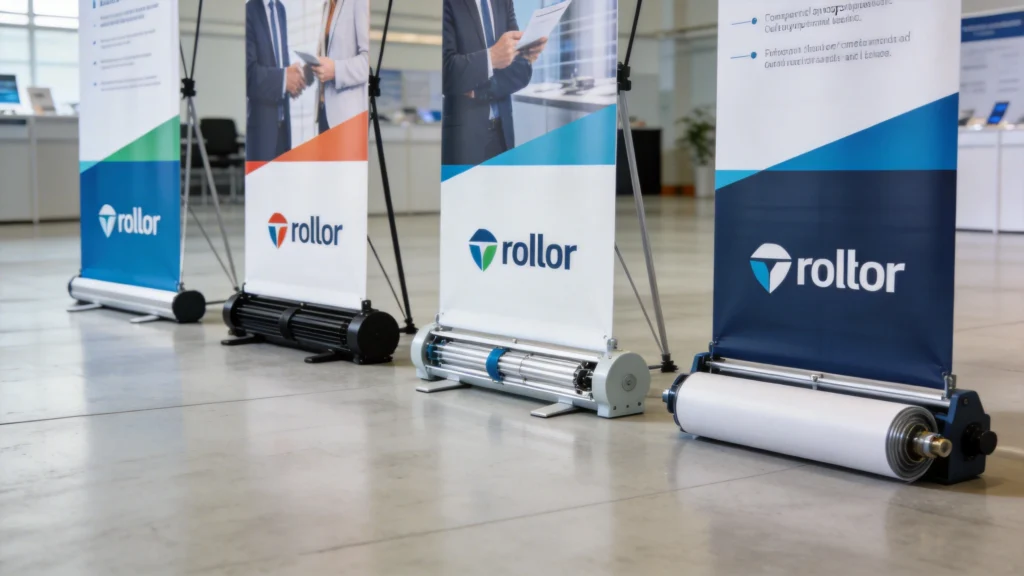
When you compare pull up roller banners with other roller banner types, the differences in mechanisms and bases become obvious. Pull ups integrate a retractable graphic within a cassette, while some alternatives use fixed bases or separate cassettes. These design choices influence how quickly you can set up, how compactly units store and how well graphics stay protected in transit.
Pull up roller banners are retractable displays where the printed panel is spring‑loaded inside an aluminium cassette, then pulled vertically and hooked onto a support pole. Other roller banners might use the same print technology but rely on external tension bars, heavier weighted bases or non‑retractable systems, changing how quickly they deploy and how robust they feel in busy venues.
Core Mechanics of Pull Up Roller Banners
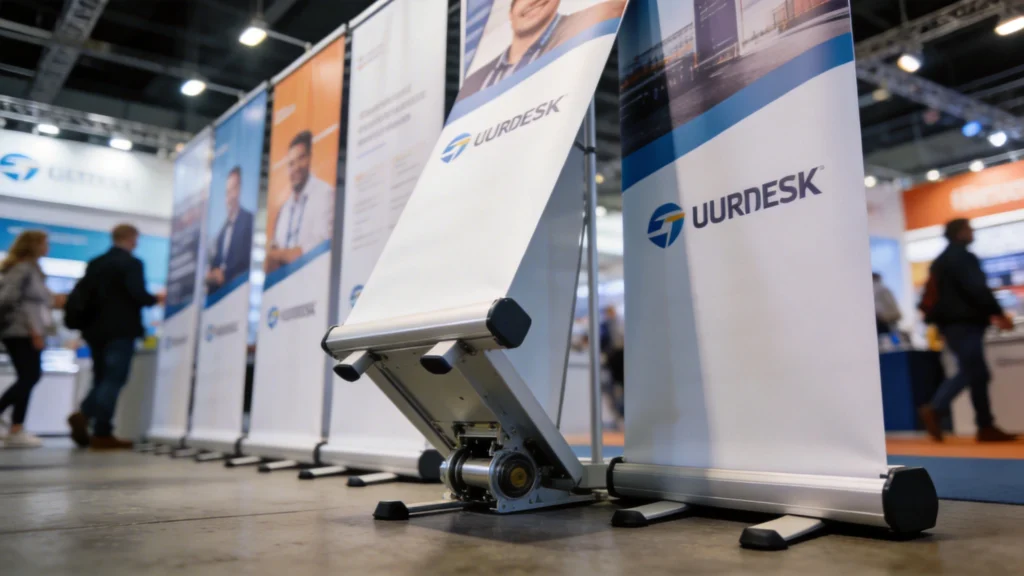
Inside a pull up roller banner, a torsion spring winds around an aluminium tube, storing tension as the graphic is pulled up and locking via a pole and top rail. When released, that spring rewinds the panel smoothly into the cassette, protecting the print surface from scratches, UV exposure and dust during transport, which is vital if you exhibit 10–20 times per year.
How Other Roller Banners Are Constructed
Other roller banners include L‑banners, X‑banners and tensioned fabric systems where the graphic remains visible when packed, often rolled separately in a tube. These stands may use bungee‑cord poles, corner eyelets or clamp rails instead of a cassette, which reduces mechanical complexity but exposes edges to damage, making them better for semi‑permanent retail displays than constant touring.