Extra Sale 10% off

Menu
Shopping Cart
Close

Roll Up Banner Printing in the UK: A Complete Buyer’s Guide

Portable displays can transform a small pitch into a professional branded space within minutes. Roll up banner printing gives UK businesses a low-cost way to grab attention at events, retail spaces and receptions without bulky kit or complex installation.

Roll up banner printing combines a printed graphic with a spring-loaded cassette, creating a freestanding display that assembles in under 60 seconds. For UK buyers, understanding hardware types, materials and artwork requirements prevents wasted spend and last-minute reprints. This guide explains each decision, from choosing roller banner stands to approving final print files with confidence.

Because suppliers use different materials, widths and mechanisms, a like-for-like comparison is rarely obvious from price alone. Knowing the difference between 440gsm PVC and 300mic polypropylene, or budget versus premium cassettes, helps you match specification to campaign length. You’ll also see how lead times, delivery options and reordering processes affect marketing schedules and exhibition planning.

Whether you’re ordering one banner for a local trade show or fifty units for a national retail rollout, the same principles apply. Clear objectives, accurate artwork and realistic deadlines deliver better results than simply chasing the lowest quote. The following sections break down each stage of roll up banner printing in the UK, giving you a practical checklist for your next purchase.

1
roll up banner printing

What Is Roll Up Banner Printing and How Does It Work?

What Is Roll Up Banner Printing and How Does It Work?

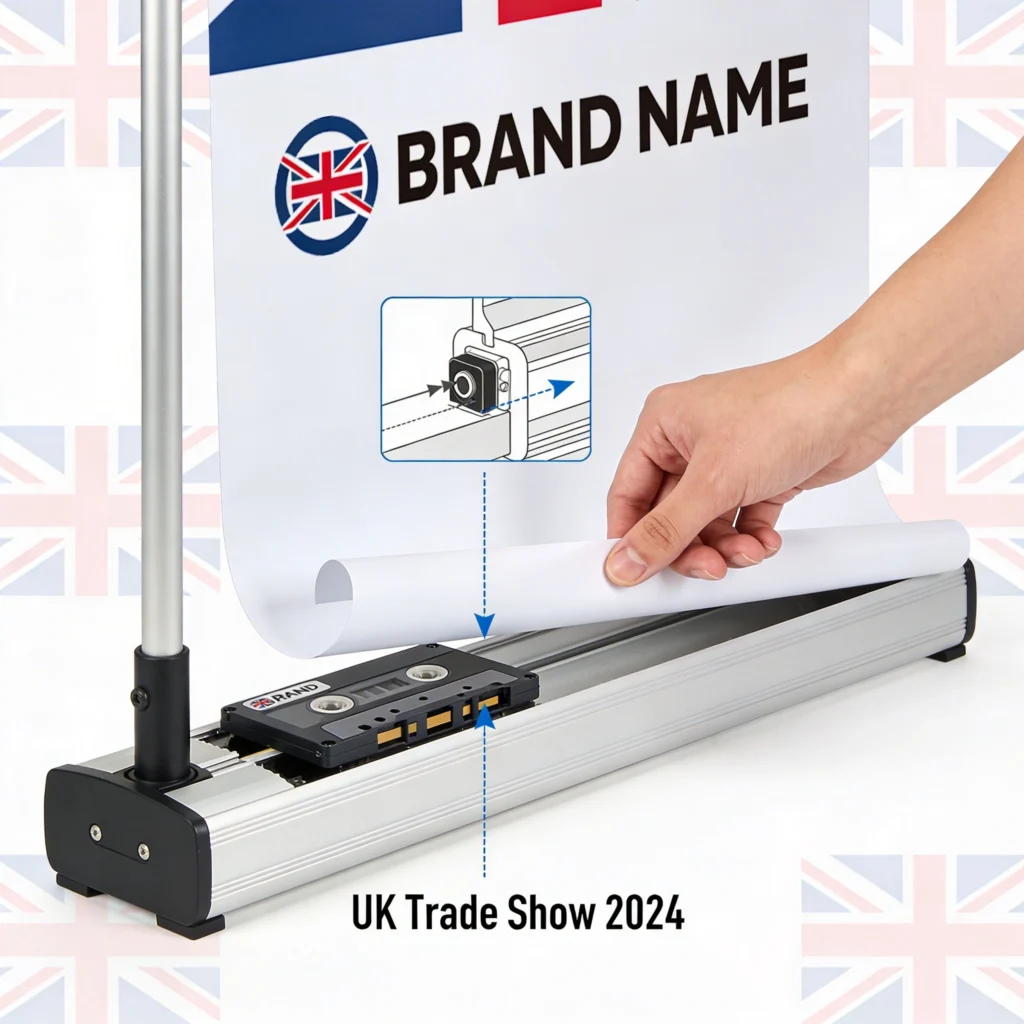
A roll up banner works by housing the printed graphic inside a spring-loaded cassette, so the print retracts for transport and pulls up smoothly on site. Understanding this simple mechanism makes it easier to judge build quality, how stable the stand will be on busy show floors, and how quickly your team can set up at events.

Roll up banner printing produces a tall, retractable display where the graphic rolls into a base cassette when not in use. Inside the cassette, a spring-loaded spindle keeps tension on the printed panel, allowing it to be pulled up and hooked onto a support pole. This mechanism protects the print during transport and speeds up installation at UK events and retail locations, suitable for short-term indoor or long-term outdoor campaigns depending on material choice.

Components of a Roll Up Banner System

A typical roller banner system includes the aluminium cassette, printed graphic panel, bungee support pole and padded carry bag. Cassettes vary from lightweight 2kg budget units to heavier 5kg premium bases with wider feet. The graphic, usually 800mm to 1000mm wide and around 2000mm tall, is bonded to a leader strip inside the base so it retracts smoothly without curling or skewing.

Where UK Businesses Use Roller Banners

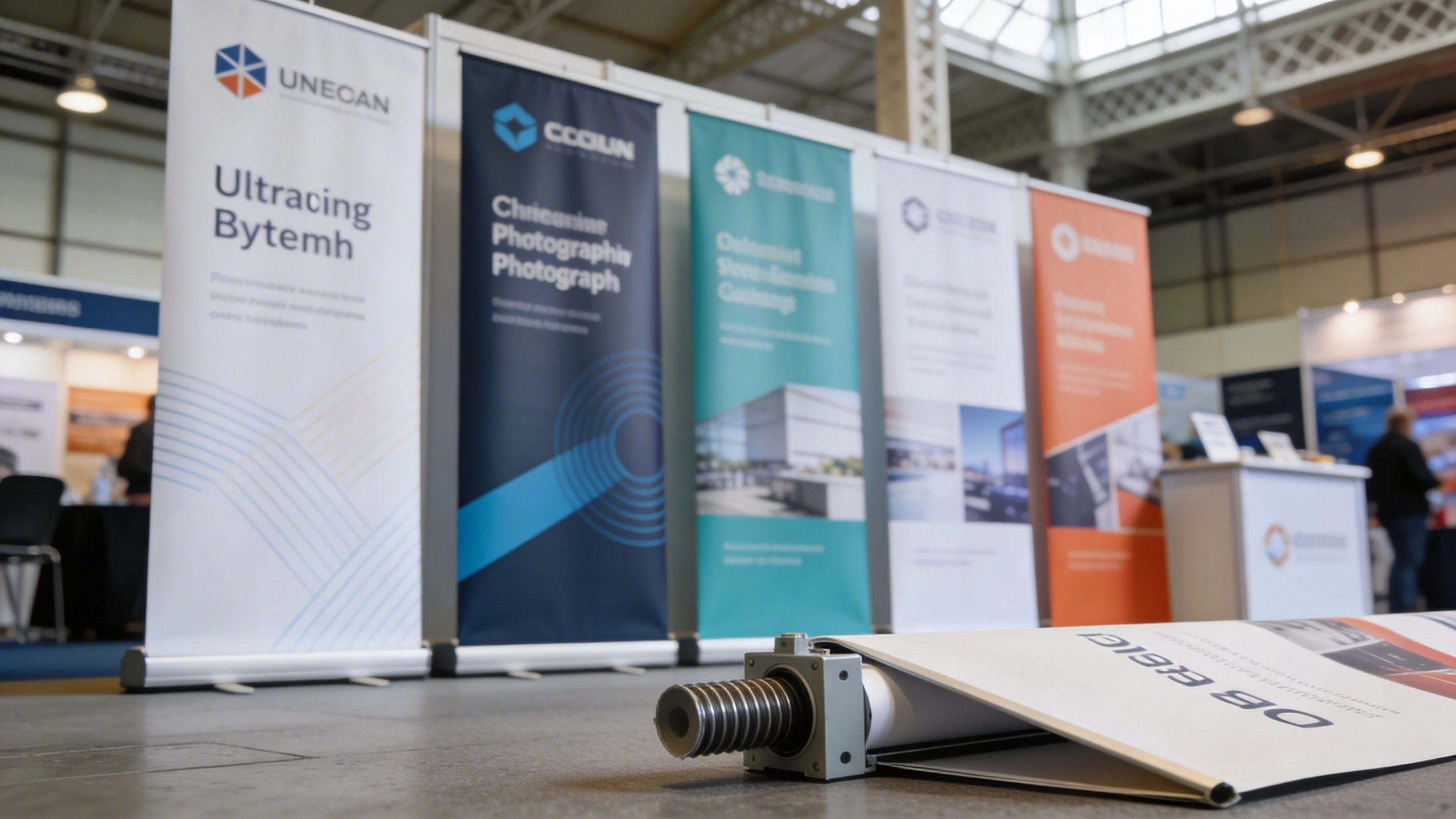
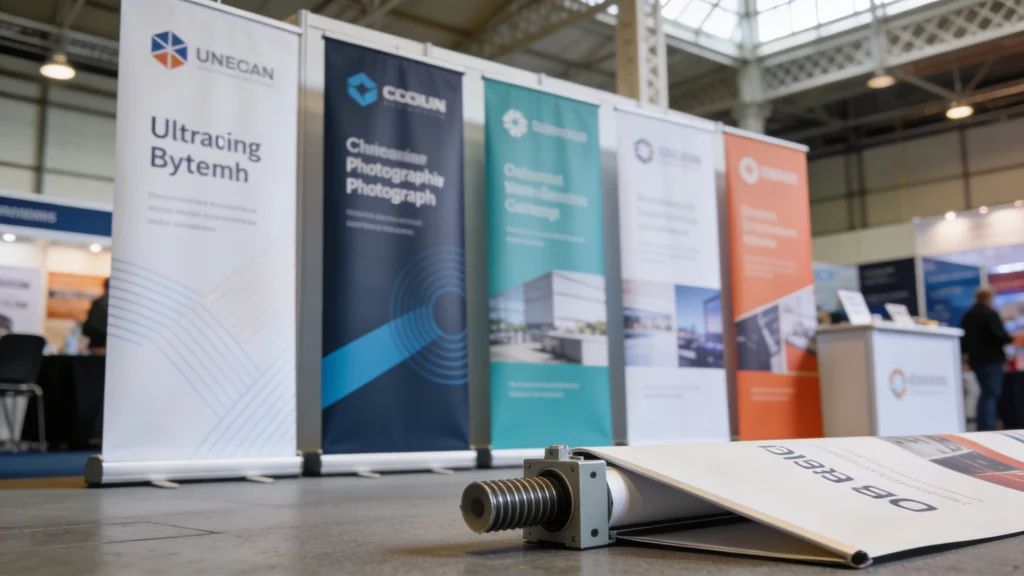
Roller banners in the UK appear everywhere from ExCeL London exhibitions to small high-street salons. Marketers use them to frame exhibition stands, signpost seminar rooms or highlight in-store offers beside gondola ends. Because a single person can carry and assemble several units, they’re ideal for regional sales teams visiting multiple venues, often replacing heavier retail displays or shell-scheme panels.

2

Key Decisions Before Ordering Roll Up Banner Printing in the UK

Before placing a roll up banner printing order, it’s worth defining how the banner will be used over the next twelve to twenty-four months. Duration, audience distance and transport method influence size, hardware grade and quantity. A banner that lives in a hotel conference room twice a year needs different specifications from one touring outdoor forecourts every weekend with a field sales team.

Key Decisions Before Ordering Roll Up Banner Printing in the UK

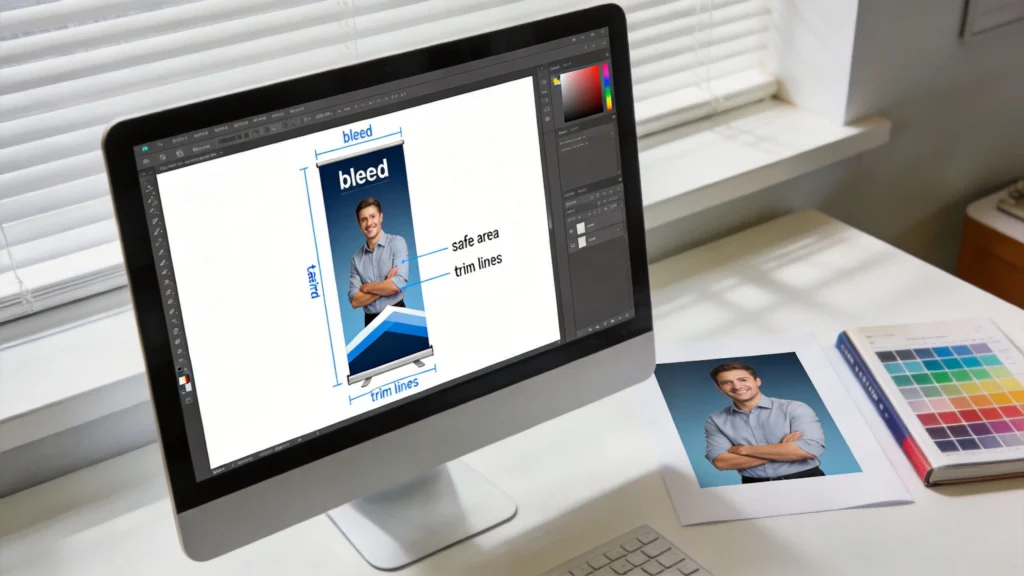
Supplying artwork correctly is essential to avoid last-minute reprints. Using the printer’s template with bleed, safe zones and correct dimensions ensures your design pulls up without cropped logos or missing contact details. Checking resolution, colour mode and text outlines before approval keeps production on schedule and protects your marketing budget.

Choosing Size, Quantity and Usage Duration

Most UK suppliers offer standard widths of 800mm, 850mm and 1000mm, with heights around 2000mm. Smaller 600mm units suit tight retail aisles, while 1200mm-wide models dominate open exhibition spaces. Estimating viewing distance helps: if people stand three to four metres away, choose at least 850mm width. For nationwide campaigns, ordering ten to twenty identical roller banners often reduces unit cost by 20–30% versus one-off purchases.

Budget, Turnaround and Risk Management

Budget affects hardware grade and print method. A basic 800mm roller banner in the UK may cost £35–£45, whereas premium anti-curl systems reach £90–£120. Faster turnarounds, such as same-day or next-day services, usually add 15–40% surcharges. To reduce risk, many marketers split orders: a small test batch first, then a larger run once artwork, messaging and colour reproduction have been checked in real environments.

3

Materials and Print Quality Options for Roll Up Banner Printing

The material you choose for roll up banner printing directly affects colour vibrancy, durability and how flat the panel hangs. UK printers typically offer PVC, polypropylene and grey-back lightstop films, each with different thicknesses measured in microns or grams per square metre. Matching substrate to lighting conditions and campaign length prevents issues like show-through, curling edges or fading under strong exhibition spotlights, especially for breathable & outdoor materials.

Materials and Print Quality Options for Roll Up Banner Printing

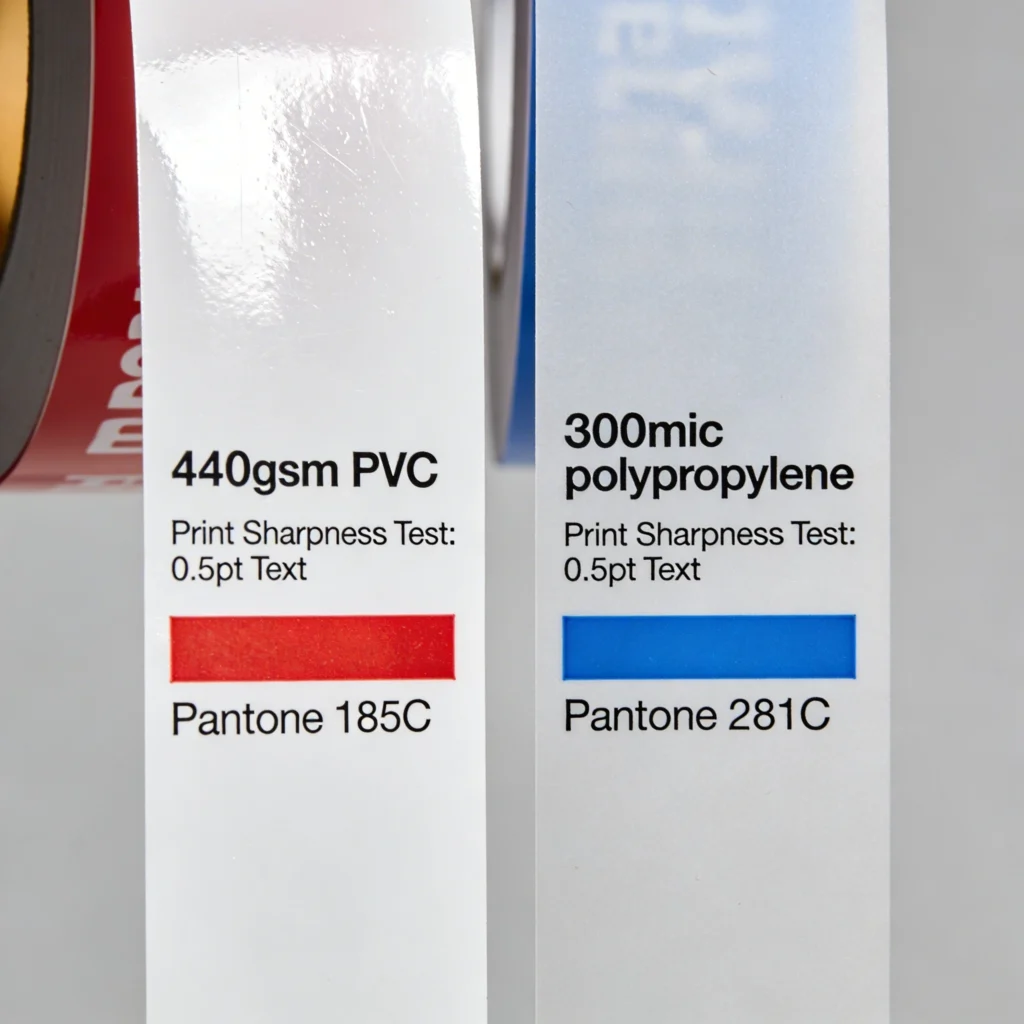
Material choice has a big impact on both appearance and lifespan. Heavier 440gsm PVC is robust and well-suited to longer campaigns, while 300mic polypropylene offers a lighter, smoother finish that often looks more premium indoors. Comparing thickness, curl resistance and print sharpness helps you align specification with your marketing goals.

Common Substrates and Print Technologies

Entry-level roller banners often use 440gsm PVC printed with eco-solvent inks, giving strong colours but some edge curl over time. Mid-range options favour 300–420mic grey-back polypropylene, which blocks light from behind and hangs flatter. Premium systems might use 200–240mic PET films printed with latex or UV inks, resisting scratching and fading during intensive exhibition seasons. Higher resolution, typically 1200dpi, delivers crisper small text and fine gradients.

Comparing Typical UK Roll Up Banner Specifications

Understanding how materials, print methods and hardware grades relate to price helps you justify choices to stakeholders. The table below summarises common specifications offered by many roller banners UK suppliers, showing how a modest increase in spend can extend lifespan significantly. Use it as a reference when comparing quotes that otherwise look similar but hide different substrates or cassette constructions.

Banner Type Material & Thickness Print Method & Resolution Typical Price (800mm) Expected Lifespan
Budget 440gsm PVC, ~300mic Eco-solvent, 720dpi £35–£45 3–6 months occasional indoor use
Standard Grey-back PP, 300–420mic Latex, 900–1200dpi £55–£75 1–2 years indoor events
Premium PET lightstop, 200–240mic Latex or UV, 1200dpi £90–£120 2–3 years frequent exhibitions
Outdoor-rated PVC lightstop, 510–540gsm UV, 720–900dpi £110–£150 6–12 months sheltered outdoor
Eco-focused PP or PET recyclable film Latex, 900–1200dpi £70–£100 1–2 years, recycling-friendly

When comparing roller banner stands, ask suppliers which exact film and ink combinations they use, then weigh these against your event schedule. A premium cassette with replaceable graphics may cost double initially but becomes cheaper over three campaigns. Conversely, for a single two-day conference, a standard unit offers sufficient quality without locking budget into hardware that might never be reused.

4

Artwork and File Requirements for Roll Up Banner Printing

Accurate artwork preparation avoids blurry logos, unexpected colour shifts and cropped text on the base of your roller banners. UK printers typically request print-ready PDFs with embedded fonts, but they’ll also accept native Adobe Illustrator or InDesign files if packaging is handled correctly. Investing time in resolution, bleed and colour settings reduces pre-press queries and accelerates approval, especially for short-term indoor campaigns.

Artwork and File Requirements for Roll Up Banner Printing

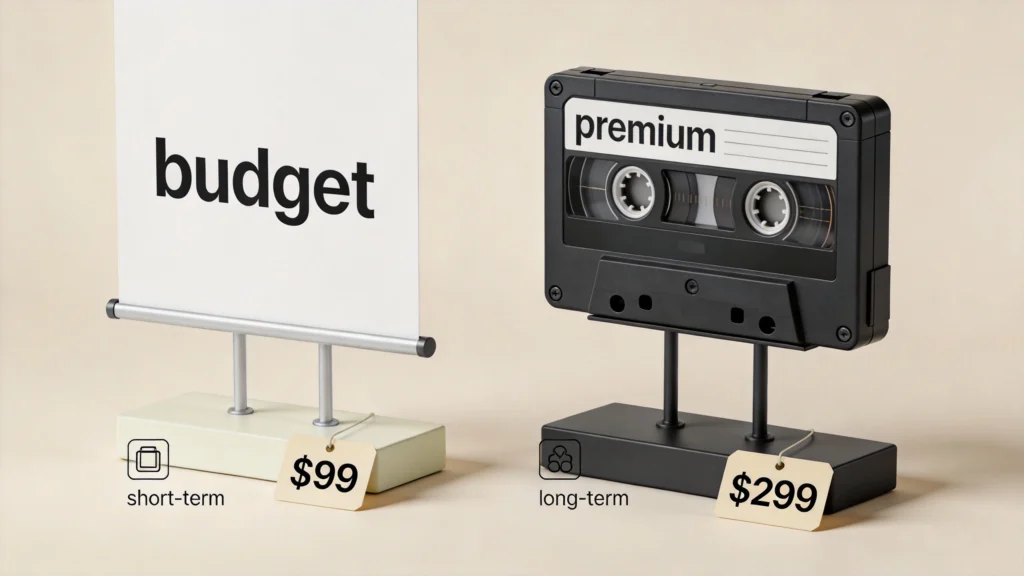
Before ordering, it helps to decide whether you need a budget stand for a short promotion or a premium cassette that will be used repeatedly. Weight, base design and mechanism durability all affect how long the banner will last, how stable it feels, and whether it justifies a higher upfront investment.

Resolution, Dimensions and Bleed Settings

For a standard 800mm x 2000mm roll up banner, design your artwork at full size with 150–200dpi effective resolution. Anything higher adds file weight without visible improvement at typical viewing distances of one to three metres. Add 3–5mm bleed on all sides and extend background colours into a 100mm bottom safe zone, ensuring important text doesn’t disappear into the cassette when trimmed and mounted.

File Formats, Colour Profiles and Pre-flight Checks

Most UK roll up banner printing services prefer PDF/X-1a or PDF/X-4 files using CMYK colours, typically FOGRA39 or ISO Coated v2 profiles. Avoid RGB blacks and spot colours unless your supplier confirms handling. Before sending, outline fonts or include them in a packaged folder, then run a pre-flight check for missing links a key part of artwork prep. Exporting with 300ppi image compression and high-quality settings preserves clarity without gigantic file sizes.

5

Roll Up Banner Printing for UK Exhibitions and Retail

Exhibitions and retail environments impose different demands on roll up banner printing, from lighting intensity to footfall density. At venues like NEC Birmingham or Olympia London, banners compete with hundreds of neighbouring stands, so height, contrast and messaging hierarchy matter. In retail, roller banners must fit within planograms, avoid blocking sightlines and withstand constant repositioning by staff with limited storage space.

Roll Up Banner Printing for UK Exhibitions and Retail

Optimising Roller Banners for Exhibitions

For exhibition stands, consider 1000mm-wide roller banners to create stronger backdrops or flanking pillars beside counters. Design with a clear top-third message, as crowds often obscure lower sections. Use high-contrast colours and large typography, at least 120pt for headlines, readable from three to five metres. Many UK exhibitors pair two or three banners to frame a TV screen or product plinth, creating a cohesive modular backdrops wall.

Adapting Specifications for Retail and Reception Areas

In retail, narrower 600–800mm roller banners in the UK fit beside gondola ends or near tills without breaching health-and-safety walkways. Choose scuff-resistant films and heavier bases, around 4–5kg, to resist accidental knocks from trolleys. Messaging should focus on simple offers with bold price points, refreshed seasonally. For corporate receptions, premium cassettes with subtle brushed aluminium finishes complement interior design better than bulky budget hardware.

6

Costs, Lead Times and Delivery for Roll Up Banner Printing

Costs, Lead Times and Delivery for Roll Up Banner Printing

Understanding how pricing structures work helps you avoid surprise surcharges on urgent roll up banner printing orders. Costs break down into hardware, print, finishing and delivery, with artwork setup sometimes charged separately for complex edits. UK suppliers often advertise headline prices excluding VAT and shipping, so comparing total landed cost to your office or event venue is more accurate when budgeting campaign spend.

Typical UK Pricing and Turnaround Options

Standard production for roller banners UK is usually three to five working days from artwork approval. Many printers offer 24–48-hour express services, adding £10–£25 per unit or a flat rush fee. Shipping a single banner within mainland UK typically costs £7–£12 via next-day courier. Ordering multiple units in one shipment reduces per-banner delivery cost, especially when sending directly to exhibition centres with timed slots.

Delivery Logistics, Damage Prevention and Contingency Planning

When shipping roller banner stands to venues, request individual cartons with protective end caps and clearly labelled contents. Ask printers to include your company name and stand number on labels, simplifying on-site logistics. For critical events, some marketers order an extra unit as backup, absorbing a marginal 5–10% cost increase to mitigate courier delays or accidental damage. Tracking numbers and pre-9am upgrades further reduce last-minute stress.

7

How to Reorder or Update Existing Roll Up Banner Printing

Reordering or updating roll up banner printing efficiently can significantly lower long-term display costs. Many premium roller banner stands feature mechanisms that allow the graphic panel to be replaced while retaining the original cassette. Keeping detailed records of previous orders, including artwork versions and material types, enables quick reprints when branding changes, new offers launch or additional branches require consistent in-store signage making the banners reusable across multiple campaigns..

How to Reorder or Update Existing Roll Up Banner Printing

Reusing Hardware and Managing Replacement Graphics

If your existing cassette is in good condition, ask your printer whether it supports re-skinning. They’ll usually request the base be returned so technicians can remove the old panel and tension the new one safely. Replacement graphics often cost 30–40% less than complete new units. Labelling the underside of each cassette with campaign name and date simplifies tracking which versions are current across multiple locations.

Setting Up Version Control and Future-proofing Designs

To streamline future roll up banner printing orders, implement version control by saving artwork with clear naming conventions, such as “RB-800-Expo2026-v3.pdf”. Maintain a central folder containing print-ready files, font packages and colour references. When designing, avoid overly time-sensitive copy where possible, focusing on brand messages that remain relevant for at least twelve to eighteen months, reducing the frequency of costly full redesigns and ensuring long-term outdoor usability.

Cart