
A banner that looks sharp in a showroom can be the wrong choice for a windy building site. That is the real question behind PVC banners versus fabric: not which material is universally better, but which one will stay presentable, work hard and arrive ready for your particular job.
For outdoor promotions, temporary signage and high-visibility messages, PVC is usually the practical default. For exhibitions, branded backdrops and polished indoor displays, fabric often gives the more premium finish. The right call comes down to location, lifespan, handling and the impression you need to make.
PVC banners versus fabric: the practical difference
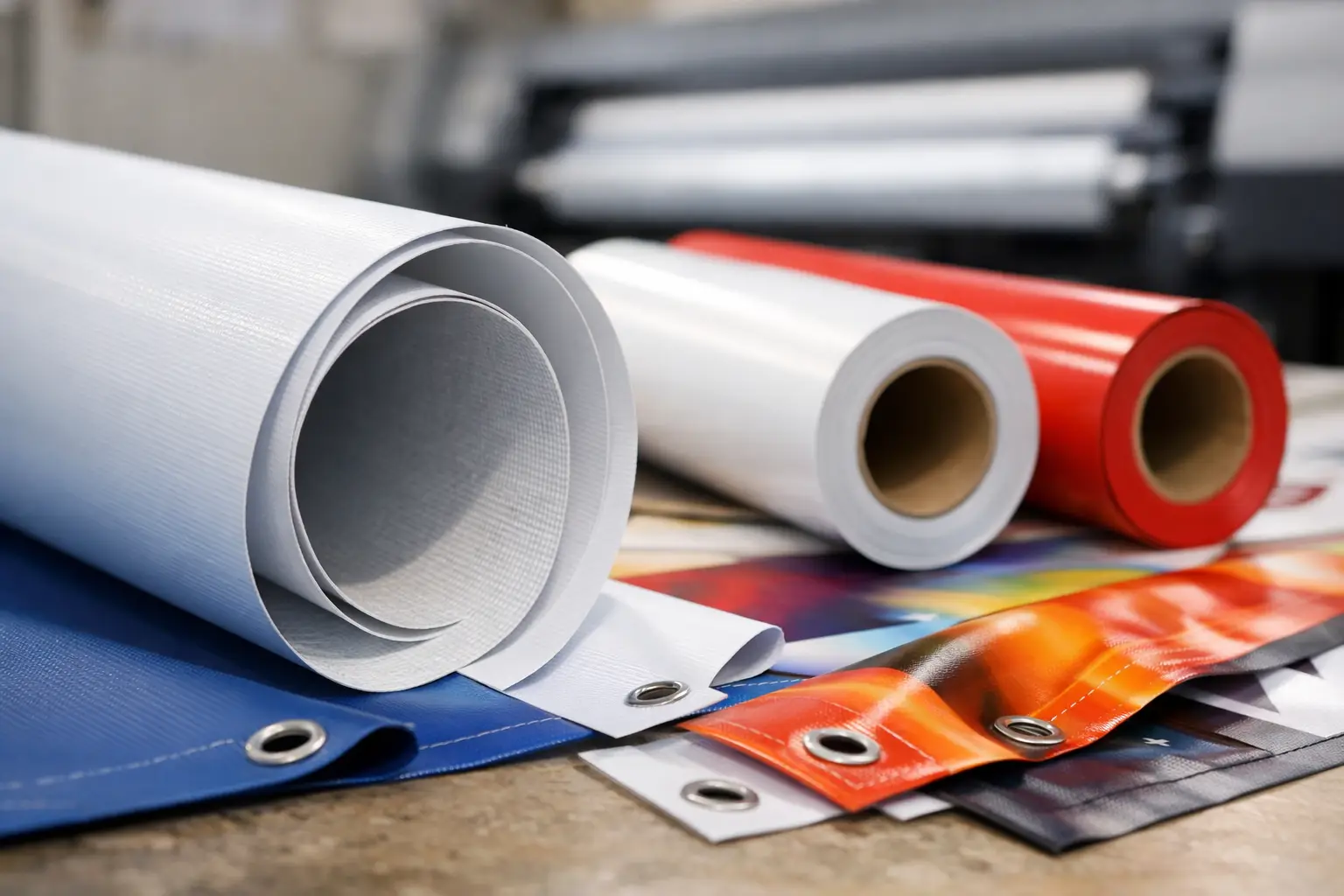
PVC banners are printed on vinyl-based material. They are smooth, strong and designed to cope with regular handling, rain and everyday outdoor conditions. Most are supplied with reinforced edges and eyelets, making them straightforward to fix to railings, fences, walls or scaffold frames.
Fabric banners are commonly made from polyester and are most often used for indoor displays, exhibition systems, event backdrops and tension frames. The material has a softer appearance than vinyl and can produce a high-end, low-glare finish under artificial lighting. Depending on the product, fabric can be folded for transport and reused without the obvious creases associated with some PVC banners.
Neither material is a shortcut to better marketing. A well-designed banner on the wrong substrate can still disappoint. Start by thinking about where it will be used and what it needs to withstand.
Choose PVC when durability and weather resistance lead
PVC is built for jobs where the display has to get noticed outside and remain readable through changeable British weather. It is a reliable choice for shopfront offers, estate agent boards, school events, roadside promotions, sports grounds, construction sites and outdoor markets.
The key advantage is resilience. Standard PVC banner material resists water and is suitable for outdoor use, while UV-resistant printing helps colours stay clearer when the banner is exposed to daylight. With the right fixings and sensible placement, it can handle a demanding campaign without becoming a maintenance problem.
PVC also gives you a clean, bold print surface. Large text, high-contrast prices, directional messages and logos reproduce well, which matters when people are viewing the banner from a distance or passing by in a vehicle. If the goal is to announce an offer, promote a service or make a site visible quickly, vinyl keeps the message direct.
Cost is another reason many businesses choose PVC. It is usually the more economical option for one-off promotions and larger outdoor runs. That makes it particularly useful when you need several banners across different locations, or when speed and practical performance matter more than a boutique display finish.
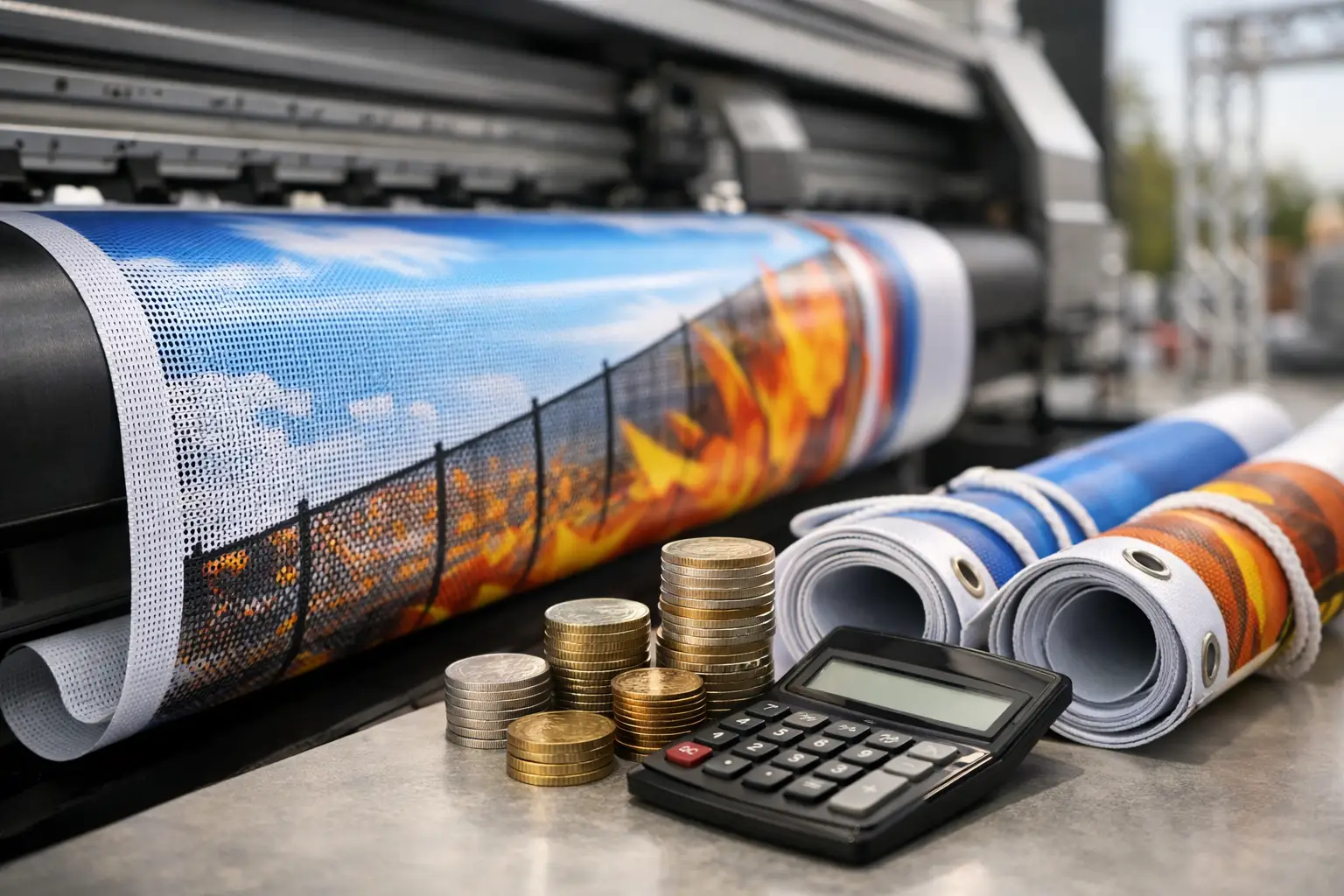
That said, PVC needs appropriate installation. A solid banner fixed tightly across an exposed fence can catch the wind like a sail. For windy sites, mesh banner material is often the better outdoor solution because its perforated surface allows air to pass through. It still delivers a strong printed message while reducing wind pressure on the banner and its fixings.
Choose fabric for a premium indoor presentation
Fabric is at its best where customers, guests or prospects will see it up close. Think trade show stands, conference branding, retail launches, presentation areas, press walls, hospitality spaces and indoor photo backdrops.
Its biggest visual benefit is the finish. Fabric has a softer texture and tends to reduce glare from spotlights, exhibition hall lighting and camera flashes. This can make brand colours, photography and detailed artwork feel more refined, especially when the display is part of a considered stand design rather than a temporary sign.
Fabric is also well suited to tension display systems. Once stretched into a frame, it creates a smooth, tailored surface with no visible wrinkles or hanging edges. This is why it is widely used for branded backdrops and exhibition graphics. The result feels more permanent and professional, even when the system is designed to pack down and travel.
For teams attending multiple events, transport can be a deciding factor. Many fabric graphics fold neatly into a carry bag, helping sales teams and event organisers move them between venues. A PVC banner can be rolled and reused too, but it needs more care to avoid creases, scuffs and bulky handling.
Fabric is not automatically the best choice for every indoor job. If you simply need a short-term sale banner in a shop window or a bold message above a stall, PVC may still offer better value. Fabric earns its place when presentation, close-up viewing and repeat event use justify the extra investment.
Compare the factors that affect your order
The material matters, but so do the practical details around it. Before placing an order, weigh up the following considerations.
Location and exposure
For rain, damp, dirt and regular outdoor exposure, PVC is the safer choice. It is made for the realities of external advertising. A fabric display may be suitable for sheltered use, but it should not be treated as a direct substitute for a weatherproof vinyl banner unless the specific material is designed and finished for that purpose.
For indoor environments, both can work. The choice is more about appearance. PVC gives a crisp promotional look, while fabric brings a more considered, exhibition-style finish.
Viewing distance and message type
PVC works exceptionally well for simple, bold messaging. A phone number, offer, opening date or service list needs to be read in seconds, often from several metres away. Use large type, strong colour contrast and enough clear space around key information.
Fabric comes into its own when artwork includes detailed photography, subtle colour transitions or a brand-led visual layout. It is often viewed closer, so the quality of the artwork and the accuracy of logos become more noticeable. Always supply high-resolution files and check that small text is genuinely readable at the final print size.
Fixing, setup and reuse
PVC banners are flexible in how they can be installed. Eyelets and reinforced hems make them easy to attach with cable ties, bungee cords or suitable fixings. This is ideal when the banner needs to go up quickly at a worksite, venue entrance or local event.
Fabric normally relies on a dedicated frame, pole pocket, silicone edge or other display-specific finishing. The setup can take a little more planning, but the final result is tidier for exhibitions and permanent-looking interior branding. If your team needs a display they can put up repeatedly without tools or guesswork, choose a system designed around the fabric graphic.
Budget and expected lifespan
A PVC banner is often the efficient choice for short campaigns, outdoor promotions and high-volume signage. It provides excellent impact for the spend and can remain in service for extended periods when properly fitted and stored.
Fabric can cost more because it is often paired with specialist finishing or a reusable display frame. However, it can offer stronger long-term value for businesses that attend regular exhibitions, run recurring events or need a backdrop that reflects a premium brand position. The lowest upfront price is not always the lowest cost over several uses.
Print quality starts with the artwork
Material will not rescue a rushed design. Whether you choose PVC or fabric, the banner should have one clear job. A passer-by should quickly understand who you are, what you offer and what action to take next.
Avoid trying to fit every service, social channel and paragraph of company history into one layout. For outdoor PVC banners, focus on a short headline, key benefit, logo and contact route. For fabric backdrops, repeat branding elements consistently and keep important details away from edges, seams and frame areas.
Colour is another practical consideration. Screen colours can look different once printed, particularly with bright brand shades. Use high-quality artwork, include bleed where required and work from a properly sized file. If you are unsure whether your design will hold up at large format, get it checked before production rather than discovering the issue at the event.
A quick decision for common UK uses
For builders, tradespeople and site managers, PVC is usually the right answer. It is tough, visible and suited to perimeter fencing, property work and temporary site information. In exposed areas, choose mesh rather than standard solid PVC.
For retailers and local businesses promoting an opening, offer or seasonal campaign, PVC gives a fast, cost-effective route to visible shopfront advertising. It is easy to size for windows, walls and railings, and works well alongside posters, flyers and stickers.
For exhibitors, marketing teams and venues, fabric is often worth the upgrade. A tension fabric backdrop or display can make a stand feel organised and credible, while remaining portable enough for repeated use.
For community events, school fairs and indoor launches, either can work. Choose PVC if the banner may be moved outdoors or handled roughly. Choose fabric if it will sit behind a registration desk, stage or photo area where finish and photography matter more.
Order for the job, not just the material
The best banner is the one that arrives on time, fits the space, carries a clear message and performs where you put it. Measure the fixing area before ordering, allow room for eyelets or a frame, and think about how staff will transport and install it on the day.
Banner Printing UK produces practical display print for businesses that need quality without delay, from hard-working outdoor PVC banners to professional event graphics. Make the material decision early, and the rest of the order becomes much simpler.
If your message needs to face rain, wind and passing traffic, choose PVC with the right finishing. If it needs to represent your brand under exhibition lights and close-up cameras, fabric may be the stronger investment. Match the banner to the job, and it will keep doing its job long after the first day it goes up.