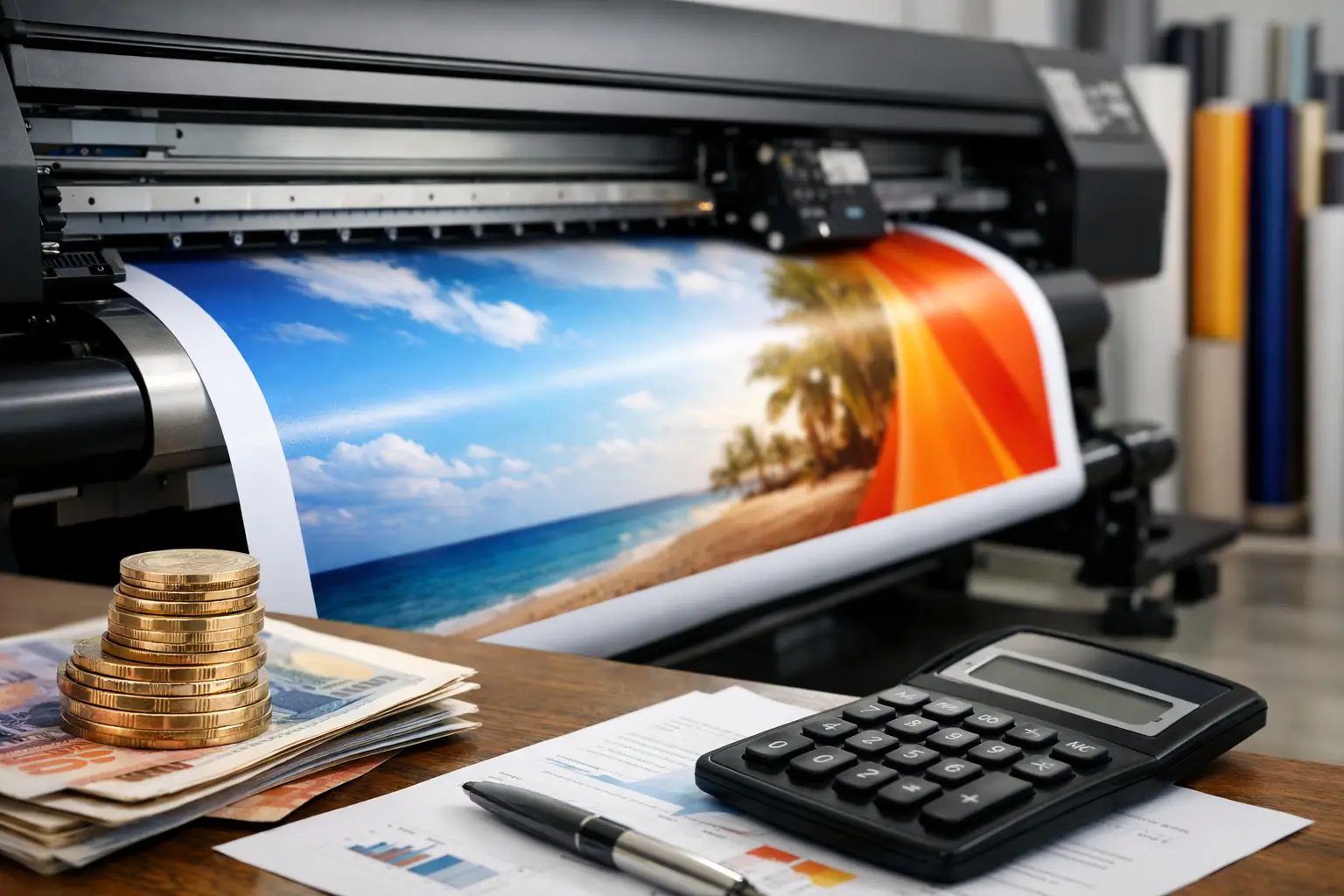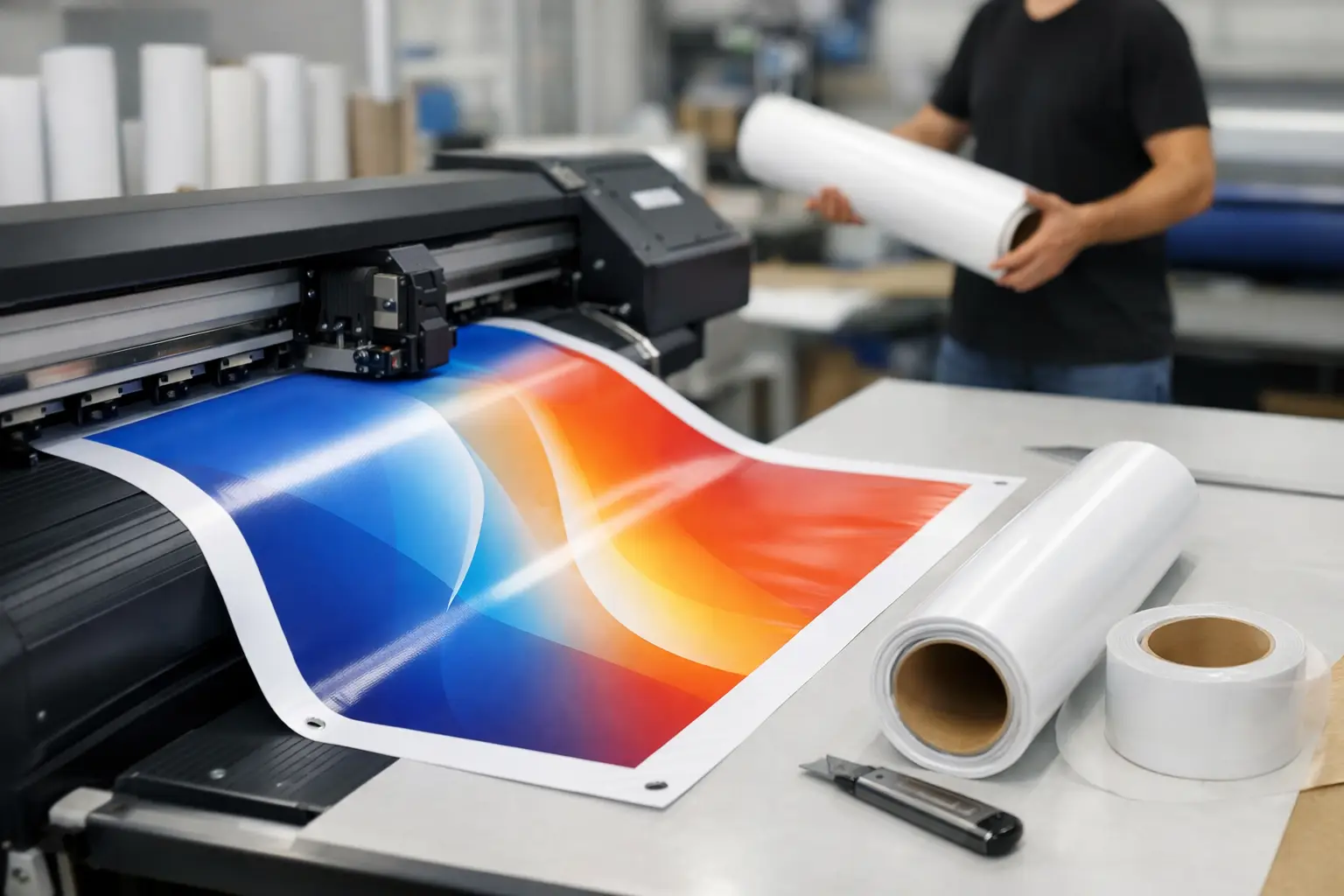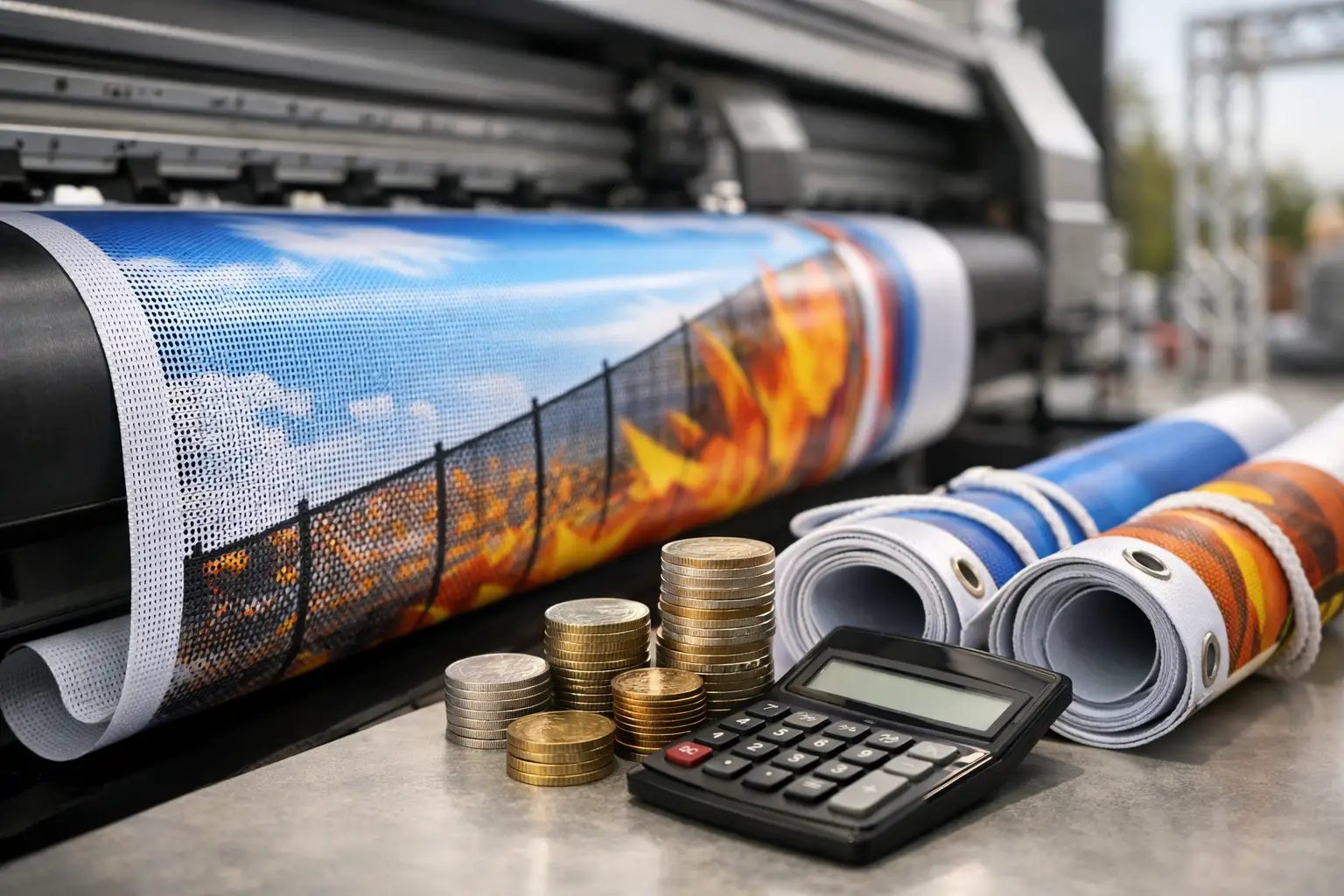
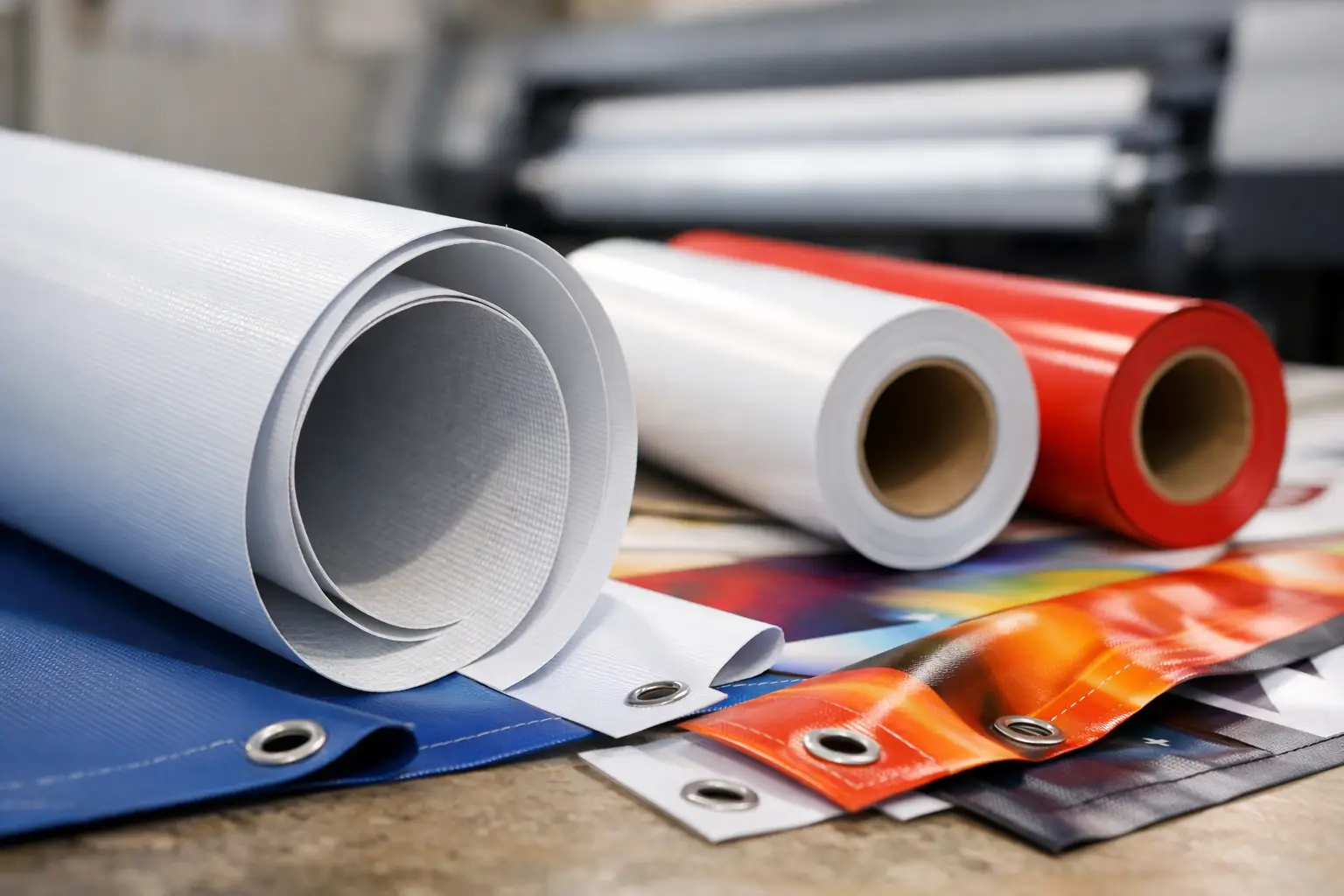
A banner can look excellent on screen and still disappoint once it is hanging outside a shop, across site fencing or behind an exhibition stand. The material has a major say in the result. So, what is vinyl banner material? In most commercial printing, it is a flexible PVC-based sheet made for large-format graphics: strong enough to be finished with hems and eyelets, smooth enough for sharp full-colour printing, and designed to cope with regular handling and changing weather.
For UK businesses and event organisers, vinyl is the dependable all-round choice because it combines visibility, durability and sensible cost. However, not every vinyl banner is the same. Weight, construction, finish and installation all affect how well a banner performs.
What is vinyl banner material made from?
Vinyl banner material is generally made from polyvinyl chloride, better known as PVC. It is not simply a thin plastic sheet. Standard banner vinyl usually has a woven polyester scrim in the middle, coated with PVC layers on both sides. That internal fabric reinforcement gives the banner its tear resistance and helps it stay flat when tensioned.
The printable face is normally white, creating a clean base for logos, photographs, text and solid brand colours. Modern large-format printing applies UV-resistant inks directly to this surface. This helps the artwork remain clear and colourful when displayed in daylight, rather than fading quickly after a few weeks outdoors.
A typical solid vinyl banner is measured in grams per square metre, or gsm. Around 440gsm is a popular general-purpose option for promotional banners, events, retail displays and short-to-medium-term outdoor signage. Heavier grades can offer a firmer feel and added resilience, while lighter options may suit temporary indoor use where portability is the priority.
Why PVC vinyl works for banners
The practical advantage of PVC banner material is that it can do several jobs well. It is waterproof, easy to wipe clean and resistant to the everyday scuffs that come with transport, installation and storage. It also takes high-resolution printing well, so small text, product images and bold graphics can hold their impact at a distance.
Unlike paper posters, a vinyl banner will not soften or tear after getting caught in the rain. Unlike many rigid signs, it can be rolled up for transport, carried to an event and installed again when needed. This makes it useful for businesses that need one display format to work across different locations.
That said, weatherproof does not mean indestructible. A banner fixed loosely to a fence in an exposed, windy position is under far more pressure than one mounted neatly to a shop wall. The material matters, but the finishing and fitting method matter just as much.
Print quality and finish
The surface of banner vinyl is made to accept bold, full-colour graphics. A smooth, consistent coating supports crisp lettering and cleaner colour blocks, which is particularly useful for branded promotions, construction signage and event backdrops where your message must be read quickly.
Most vinyl banners have a matt or low-glare finish. This is often the better choice for outdoor and event use because bright reflections can make text harder to read. A matt surface also photographs well, which is worth considering for press walls, sponsor backdrops and social media events.
Strength where it counts
A quality banner needs reinforcement at its pressure points. Hems fold and strengthen the edges, while metal eyelets provide fixing points for cable ties, rope, hooks or bungee cords. For larger formats, regular eyelet spacing spreads the load across the banner rather than concentrating it in one corner.
If the banner will be installed in a windy area, avoid pulling it drum-tight with no flexibility. Bungee cords allow a little movement and can reduce strain on the eyelets. Check the banner occasionally, especially after high winds, and replace damaged fixings before they pull against the material.
Solid vinyl or mesh banner material?
Solid PVC vinyl is the right starting point for most jobs. It provides a complete printable surface, making colours appear richer and smaller details easier to reproduce. It is well suited to shopfront promotions, indoor displays, short-term outdoor advertising, market stalls and event signage where wind exposure is limited or moderate.
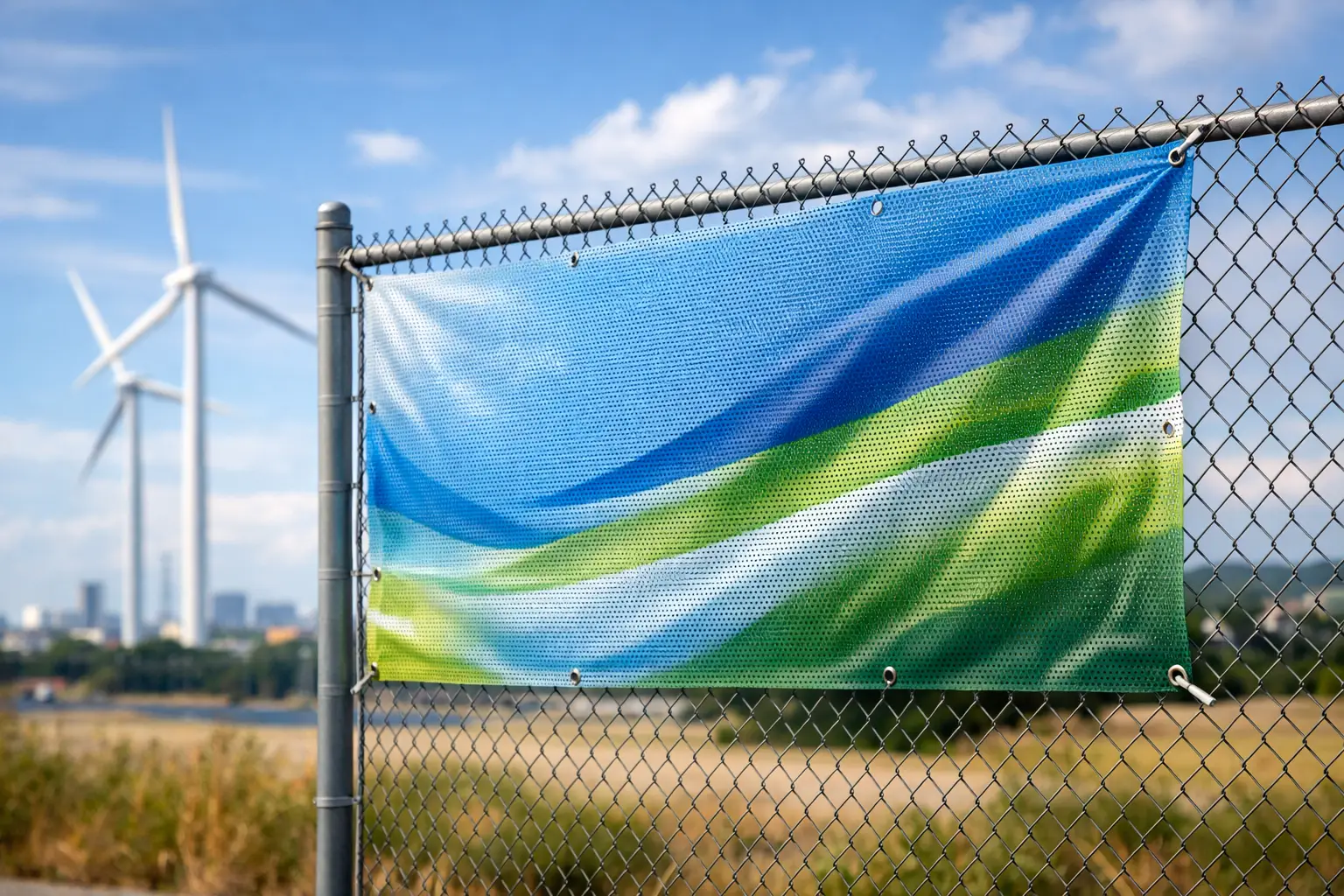
Mesh banner material is also PVC-based, but it has tiny perforations across the surface. Air can pass through these holes, reducing wind loading. This makes mesh a practical option for scaffold wraps, perimeter fencing, building sites and other exposed locations.
The trade-off is print density. From close range, a mesh banner is less solid-looking than standard vinyl because of the perforations. At normal viewing distance it still carries large logos, messages and graphics effectively, but it is not the first choice for fine detail or photography that will be inspected up close.
Choose solid vinyl when maximum colour impact and readability are the goal. Choose mesh when the banner needs to stay secure in a breezy, open location. If the display is both large and exposed, mesh can be the safer and more practical investment.
Choosing the right banner weight and size
There is no single best gsm for every banner. A smaller promotion inside a retail unit does not need the same material specification as a six-metre site banner facing an open road. The right choice depends on location, duration, wind exposure and how often you expect to move the banner.
For many everyday jobs, a standard 440gsm PVC vinyl offers an excellent balance. It feels substantial, prints well and is suitable for a wide range of indoor and outdoor applications. A heavier material may be worth considering for longer-term displays or where a firmer, more premium presentation is required. For a temporary display, paying for extra weight may add little practical value.
Size affects fitting too. Large banners catch more wind and need more fixing points. As a rule, leave enough clear space around key text and logos so hems and eyelets do not interfere with the design. Keep important information away from the very edge, particularly telephone numbers, web addresses and event dates.
How long does vinyl banner material last?
A professionally printed PVC banner can provide months or years of service, but lifespan depends on conditions rather than a fixed calendar date. An indoor banner used occasionally can remain in excellent condition for a long time. An outdoor banner facing constant sun, rain and strong wind will naturally show wear sooner.
UV-resistant printing helps protect colours from fading, while good-quality PVC resists moisture and general dirt. The most common reasons banners fail are not usually print-related. They are poor installation, insufficient fixings, sharp edges rubbing against the surface, or being folded while wet and left in storage.
To get more use from your banner, wipe it down with a soft cloth and mild soapy water when needed. Let it dry before packing it away, then roll it rather than creating hard folds. Store it somewhere dry and away from direct heat. These simple steps help prevent creases, mildew and cracked ink over time.
Where vinyl banners are most effective
Vinyl banners work best where a large, clear message needs to be seen without the cost and permanence of rigid signage. They are a straightforward solution for a new opening, sale, fundraiser, trade counter, sports event, school fair or building project.
They are equally useful for tradespeople who need visible site branding, estate and construction firms managing multiple locations, and retailers changing promotions quickly. A well-designed banner gives you a big-format advertising space that can travel with the campaign.
For exhibition use, vinyl can also provide a cost-effective backdrop, though a roller banner may be easier to position and reuse where space is limited. For permanent shop signage or a display that must look rigid and architectural, a board sign may be the better fit. The strongest print choice is the one matched to the job, not simply the lowest-cost option.
Getting the artwork ready for print
Material quality cannot rescue artwork that is too small, blurry or crowded. Use high-resolution images, provide logos in their best available format and make the main message large enough to read from the intended distance. A banner viewed from across a car park needs fewer words and bigger type than one placed behind a reception desk.
Use strong contrast between text and background. Dark lettering on a pale background, or pale lettering on a dark background, is usually easier to read than colours with similar tones. If you are unsure about the setup, a print team can help refine the artwork before production, which is far easier than finding an error after installation.
Vinyl banner material is built to make your message work hard in the real world. Choose the grade and finish for the location, fit it properly, and give the design enough room to be seen. With those details right, a banner can be one of the fastest ways to put your business, event or offer directly in front of the people who matter.