

Scaffolding is one of the most visible parts of any construction project and the way you install banners on it makes a big difference to safety, compliance, and site presentation. Mesh banners are widely used across the UK because they allow wind to pass through, reduce pressure on scaffold structures, and provide large-scale branding opportunities.
But they must be installed correctly. Poor installation can lead to wind load issues, safety hazards, torn material, or non-compliance with site requirements.
This guide covers how to install mesh banners safely, what UK construction teams must consider, and the best practices for long-lasting performance.
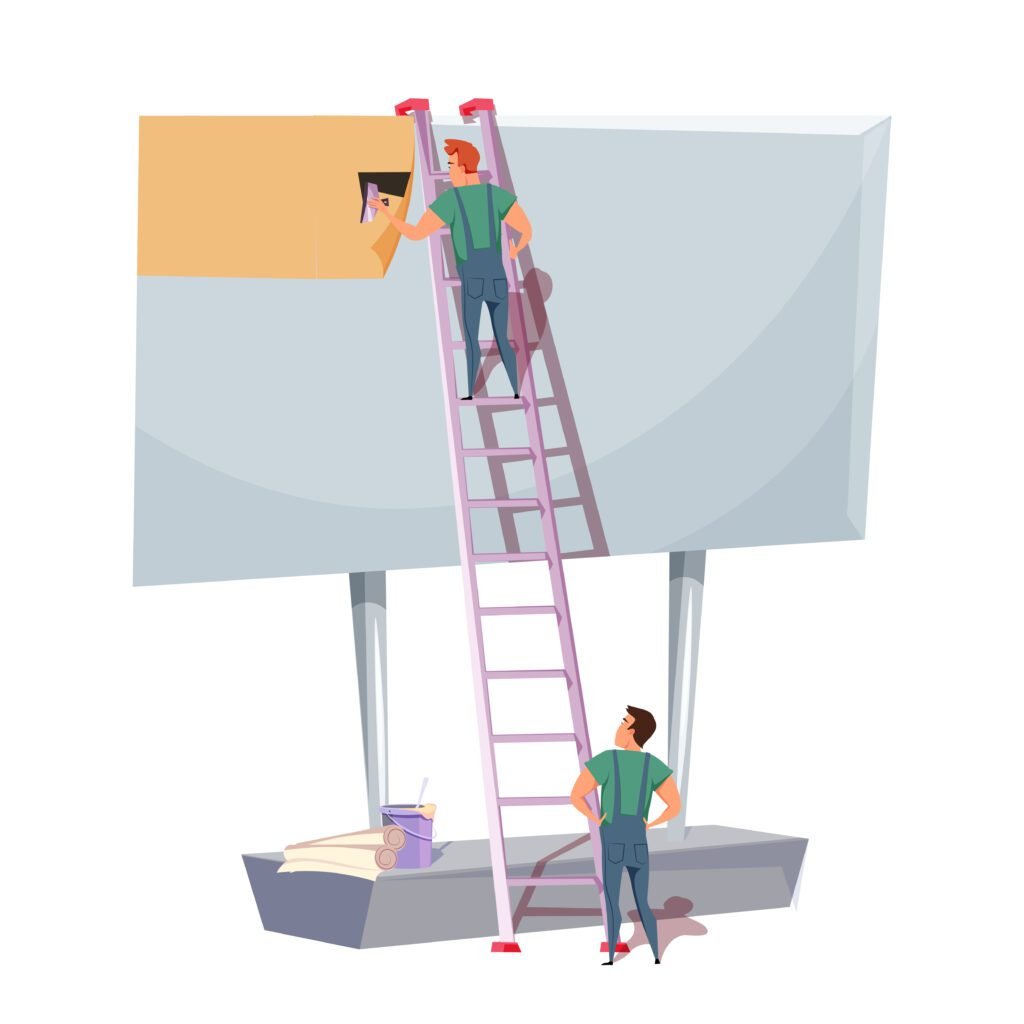
Why Mesh Banners Are Ideal for Scaffolding
Before we get into installation, it’s important to understand why mesh is the right choice for elevated structures.
Benefits of mesh banners on scaffolding:
- Wind passes through micro-perforations
- Reduced strain on scaffold structures
- Strong durability for long-term outdoor use
- Large-scale branding possibilities
- Cleaner site appearance
- Better dust control in busy areas
Explore scaffold-safe mesh banners here:
https://bannerprintingltd.co.uk/mesh-banners/construction-site-mesh-banner-breathable-scaffold-safe/
Safety First: What to Consider Before Installation
Installing banners on scaffolding isn’t just about attaching them — it’s about ensuring your structure can safely support them.
1. Assess Scaffold Stability
The scaffold must be:
- Properly erected
- Inspected
- Braced and tied into structure
- Free from loose or unsecured panels
Mesh reduces wind load, but a stable scaffold is still essential.
2. Understand Site Wind Exposure
UK sites vary greatly:
- Coastal regions
- Open fields
- Motorway-adjacent buildings
- High-rise urban towers
If the site is high-wind, mesh is mandatory — solid banners would be unsafe.
3. Check Site Safety Requirements
Construction sites may require:
- Fire-rated materials
- Specified fixing methods
- Restricted openings or coverage
- Minimum clearance for walkways
Make sure the banner installation complies with your project’s safety plan.
4. Confirm Banner Quality
Choose mesh banners with:
- Reinforced stitching
- Strong hems
- Metal eyelets
- UV-resistant inks
- Construction-grade PVC mesh
How to Install Mesh Banners on Scaffolding (Step-by-Step)
Follow these best practices to ensure safe and secure installation:
Step 1: Unroll and Inspect the Banner
- Check for printing defects
- Ensure hems and eyelets are intact
- Confirm correct orientation for installation
This reduces on-site mistakes and rework.
Step 2: Position the Banner at the Scaffold Level
Use two or more team members to position the banner level to avoid twisting or creasing.
Step 3: Secure the Top Edge First
Start with the top corners:
- Use heavy-duty cable ties or bungee cords
- Fix along the top rail of the scaffold
- Maintain even spacing between fixings
This ensures the banner hangs straight and does not sag.
Step 4: Work Your Way Down Each Side
Attach fixings along both left and right sides:
- Keep consistent tension
- Avoid over-tightening bungees
- Ensure all edge eyelets are used
This prevents flapping, which reduces wear over time.
Step 5: Secure the Bottom Edge
The bottom must sit tight against the scaffold to:
- Prevent wind uplift
- Reduce risk of tearing
- Maintain a clean, flat appearance
Avoid leaving loose edges — they are the first point of failure.
Step 6: Conduct a Final Safety Check
Your team should ensure:
- All eyelets are used
- No loose corners
- No excessive flapping
- All cable ties are locked in place
Document installation for compliance if needed.
Best Practices for Long-Lasting Performance
To keep your scaffold mesh banners looking professional and performing safely:
✔ Use enough fixing points
Every eyelet should be used — skipping points leads to stress points and tearing.
✔ Inspect after major weather changes
Strong winds or heavy storms may loosen ties.
✔ Replace damaged ties immediately
A single missing tie can compromise tension across the whole banner.
✔ Avoid oversized banners in extreme wind zones
Multiple smaller panels are safer and easier to control.
✔ Keep the banner tight
Slack = movement, and movement = damage.
Compliance Considerations for UK Construction Sites
Mesh banners help improve compliance by:
- Reducing wind impact
- Controlling dust dispersion
- Allowing safe pedestrian visibility
- Supporting required safety messaging
- Maintaining a clean and regulated site perimeter
However, project managers should confirm:
- The scaffold supplier approves banner installation
- Fire-rating requirements are met
- No banner blocks emergency access
- Installations align with CDM and site policies
For projects requiring scaffold-safe materials, use this option:
https://bannerprintingltd.co.uk/mesh-banners/construction-site-mesh-banner-breathable-scaffold-safe/
When Mesh Banners Should NOT Be Installed on Scaffolding
Even mesh isn’t suitable in every scenario. Avoid installation when:
- The scaffold is temporary or unstable
- The site requires full solid hoarding instead
- Extremely fine-detail graphics are required
- The scaffold is exceeding safe load limits
- Work access could be obstructed
For full opaque signage, use vinyl banners instead:
https://bannerprintingltd.co.uk/vinyl-banners/
Conclusion
Installing mesh banners on scaffolding isn’t just about advertising — it’s about enhancing safety, improving compliance, and protecting workers and pedestrians. When installed correctly, mesh banners deliver excellent stability, clear visibility, and reliable performance even in harsh UK weather.
Whether you’re branding a large development, covering a refurbishment site, or adding essential safety messaging, mesh banners remain the safest and most practical choice for elevated structures.
Explore durable, scaffold-ready mesh banners here:
https://bannerprintingltd.co.uk/mesh-banners/


