
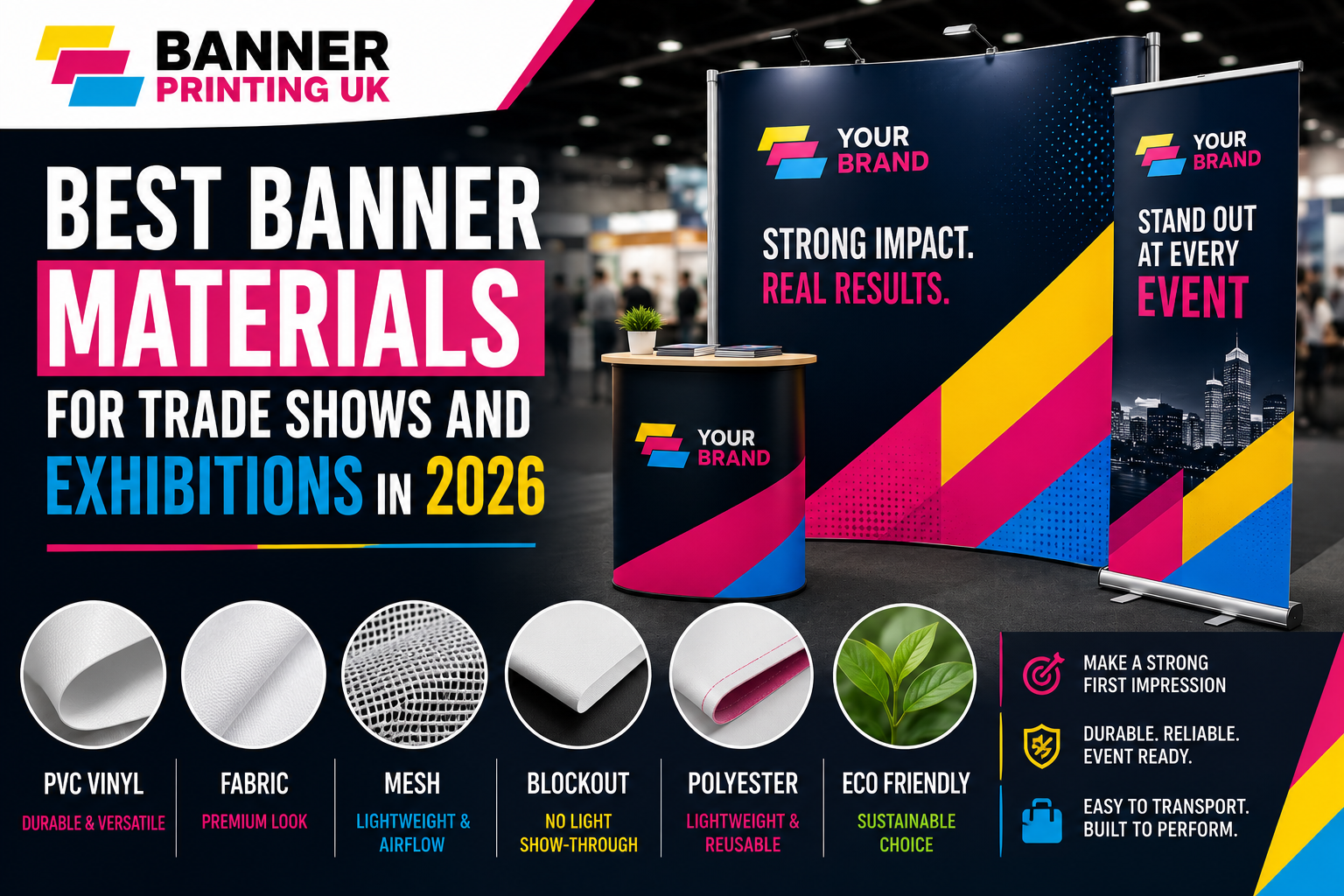
Trade shows are crowded now. Really crowded.
Every booth is fighting for attention, and honestly, most displays start blending together after a while. People walk past hundreds of stands in a single day. If your setup looks cheap, wrinkled, faded, or poorly printed, visitors notice immediately even if they do not say it out loud.
That is why banner material matters more than most businesses think.
A good design helps, sure. But the material itself changes how your brand looks under exhibition lighting, how durable the display feels, and even how professional people assume your company is.
And in 2026, businesses are becoming way more selective about what materials they use for trade shows and exhibitions.
Cheap banners that curl at the edges or reflect light badly are slowly disappearing from serious events. Companies want displays that look premium, travel well, and survive multiple exhibitions without looking worn out.
Here are the best banner materials businesses are choosing for trade shows and exhibitions this year.
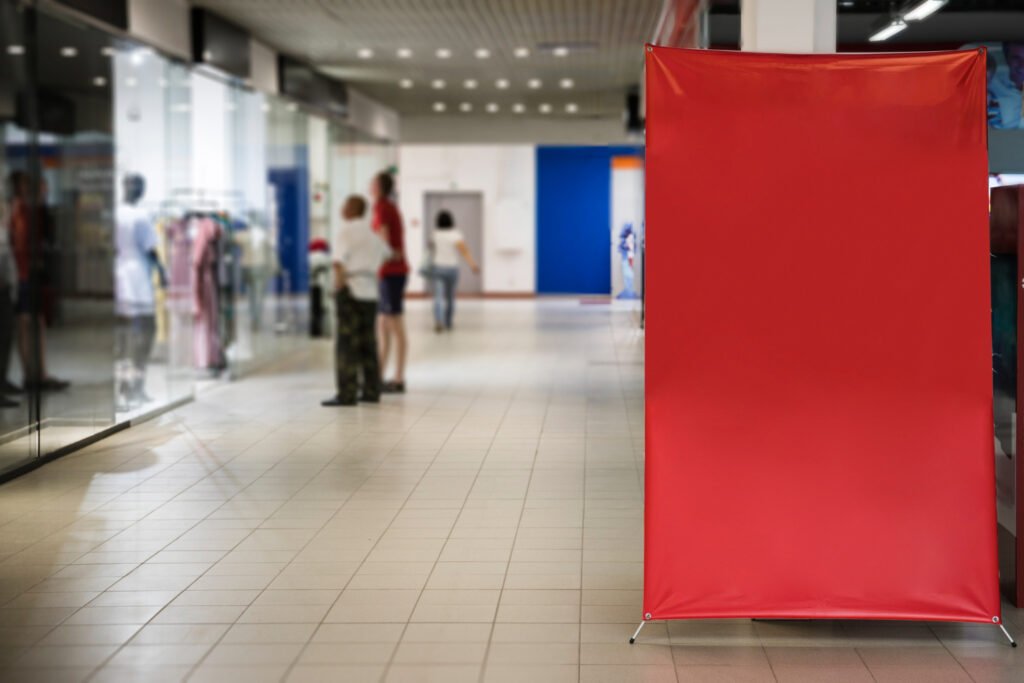
PVC Vinyl Banners Still Dominate for a Reason
PVC vinyl banners are still everywhere at exhibitions, and honestly, that probably will not change anytime soon.
They are durable, affordable, and versatile enough for almost every type of event setup. If a business needs large graphics, hanging banners, promotional walls, or exhibition signage, vinyl is usually the first option printers recommend.
The biggest reason is reliability.
Vinyl banners hold colour really well. Graphics stay sharp. The material resists tearing, and it handles repeated transport better than people expect.
For businesses attending multiple events during the year, that matters a lot.
Nobody wants to reprint expensive displays every few months because the material started cracking or fading.
Vinyl also works well for:
- Pop-up displays
- Promotional signage
- Exhibition backdrops
- Indoor advertising
- Large hanging banners
- Product launch displays
The only downside is weight. Large vinyl banners can become heavy, especially for businesses constantly travelling between exhibitions.
Still, for overall value and durability, PVC vinyl remains one of the strongest choices in 2026.
Fabric Banners Look More Premium Indoors
Fabric banners have become much more popular recently, especially at higher-end exhibitions and corporate events.
And honestly, it makes sense.
Fabric simply looks cleaner under event lighting.
Unlike vinyl, fabric does not create harsh reflections from exhibition spotlights. That means graphics appear softer, sharper, and more premium in photographs and videos.
This matters more now because almost every exhibition gets shared online through social media, livestreams, and event photography.
Businesses want displays that photograph well.
Fabric banners also give booths a more modern appearance. They feel smoother, lighter, and less “plastic” compared to traditional vinyl setups.
A lot of tech companies, luxury brands, and creative agencies now prefer tension fabric displays for this exact reason.
Other advantages include:
- Lightweight transport
- Wrinkle resistance
- High-quality colour printing
- Better appearance under lighting
- Cleaner overall presentation
Fabric works especially well for indoor exhibitions where appearance matters more than weather resistance.
The only thing businesses need to remember is that fabric usually costs more than standard vinyl. But for premium branding, many companies think the extra cost is worth it.
Mesh Banners Work Better for Large Exhibition Structures
Mesh banners are usually associated with outdoor advertising, but they are becoming more common inside large exhibition halls too.
Especially for oversized suspended graphics.
Mesh material contains tiny holes that allow airflow through the banner. Outdoors, this helps reduce wind pressure. Indoors, it helps with weight reduction for large hanging displays.
For massive exhibition structures or ceiling-mounted graphics, lighter materials matter.
Heavy banners can become difficult and expensive to install safely.
Mesh banners also create an interesting visual effect under lighting because they slightly diffuse light passing through the material.
Some exhibition designers actually prefer that softer appearance for large branding installations.
Mesh banners work best for:
- Ceiling banners
- Stage backdrops
- Oversized exhibition graphics
- Large suspended signage
- Event partitions
For smaller booth displays though, mesh usually is not necessary.
Blockout Banner Material Is Becoming More Popular
One of the biggest problems at exhibitions is lighting interference.
Thin banners sometimes allow light through the back, especially inside brightly lit venues. That can make graphics look washed out or uneven depending on where the lighting hits.
Blockout material solves this problem.
It contains a special internal layer that prevents light from passing through the banner.
The difference is noticeable immediately.
Colours appear deeper. Blacks look richer. Graphics stay consistent no matter how strong the venue lighting becomes.
For double-sided banners, blockout material becomes even more useful because graphics from one side do not show through the other side.
A lot of businesses now choose blockout material for:
- Roller banners
- Hanging signs
- Double-sided displays
- Exhibition walls
- Media backdrops
It costs slightly more, but the visual quality improvement is usually worth it for important exhibitions.
Polyester Fabric Displays Are Replacing Some Traditional Systems
Portable exhibition systems are changing fast.
More companies want displays that are easy to transport without needing complicated installation teams. That is one reason polyester fabric systems are becoming popular.
These setups usually involve lightweight aluminium frames combined with stretch fabric graphics.
The fabric slides over the frame almost like a pillowcase, creating a smooth tensioned display.
The final result looks very modern.
There are no visible wrinkles, minimal seams, and the graphics often appear almost seamless from a distance.
Businesses also like these systems because they are:
- Lightweight
- Reusable
- Compact during transport
- Fast to assemble
- Professional looking
For businesses regularly attending exhibitions across different cities, portability matters more than ever.
Nobody enjoys carrying heavy exhibition equipment through crowded venues.
Sustainable Materials Matter More in 2026
This conversation is getting bigger every year.
Many companies are actively trying to reduce waste from exhibitions because honestly, trade shows create a huge amount of disposable materials.
Businesses are now asking printers for recyclable fabrics, eco-friendly inks, and PVC-free materials more often than before.
Some event organizers are even encouraging sustainable exhibition setups directly.
Fabric materials made from recycled polyester are becoming increasingly popular because they reduce environmental impact while still looking professional.
PVC-free banner materials are also growing in demand, especially among brands that want sustainability included in their marketing image.
Customers notice these decisions too.
A company promoting sustainability while using obviously disposable exhibition materials creates a weird contradiction people pick up on quickly.
Roller Banner Materials Still Matter Too
People focus heavily on graphics, but roller banner quality often depends on material choice.
Cheap roller banner film tends to curl at the edges after repeated use. That instantly makes displays look low quality.
Premium anti-curl materials solve this issue.
They stay flatter, maintain shape longer, and handle transport better between exhibitions.
For businesses using roller banners regularly, paying slightly more for anti-curl material usually saves money long-term because replacements are needed less often.
This is especially important for:
- Recruitment events
- Conferences
- Retail exhibitions
- Networking events
- Educational expos
Roller banners remain one of the easiest ways to create professional branding quickly.
But material quality makes a massive difference in how long they continue looking good.
Choosing the Right Material Depends on the Event
There is no single perfect banner material for every situation.
That is the honest answer.
Businesses need to think about:
- Indoor or outdoor use
- Lighting conditions
- Transport requirements
- Booth size
- Installation time
- Budget
- Reusability
- Brand image
A luxury brand may prefer fabric displays because they feel more premium. A construction company might prioritize durable vinyl banners. A business travelling constantly may choose lightweight polyester systems for easier transport.
The best material is the one that matches how the display will actually be used.
Not just what looks cheapest online.
Final Thoughts
Trade shows and exhibitions are more competitive than ever in 2026.
Businesses are investing heavily in booth design, display quality, and visual branding because first impressions happen fast at events.
Banner material plays a bigger role in that than most people realize.
Good materials improve lighting, durability, portability, and overall presentation. Poor materials make even strong designs look weaker.
Whether it is vinyl, fabric, mesh, blockout, or polyester systems, choosing the right banner material helps businesses look more professional, attract more attention, and get better long-term value from their exhibition displays.
Because at busy trade shows, people notice quality immediately.
Even before they stop at your booth.


