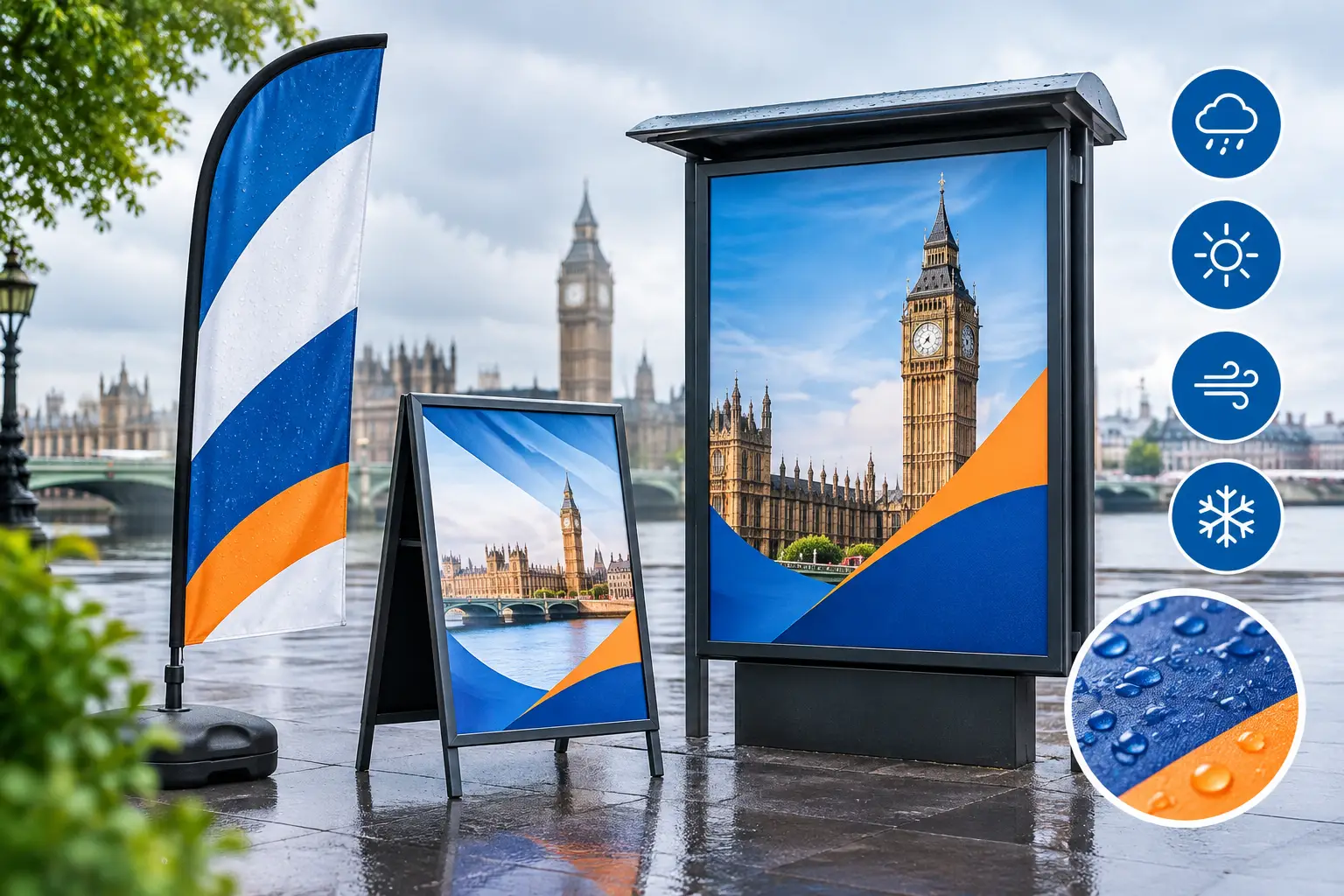
A rain-soaked banner that curls at the edges or fades after a week does more than look untidy. It makes a business look unprepared. The best weatherproof marketing prints are built for the conditions they will actually face, whether that is a windy building site, a busy high street, a weekend event or permanent signage outside a shop.
For UK businesses, durability is not a nice extra. It is part of getting value from every printed display. The right material keeps your message sharp, your colours visible and your promotion working long after the weather changes.
Start with where the print will be used
The best print choice depends on the job. A large banner fixed to temporary fencing needs to handle wind differently from a window graphic, while a promotional sign by a roadside needs to stay readable from a distance. Choosing a product purely by size or price can lead to the wrong result.
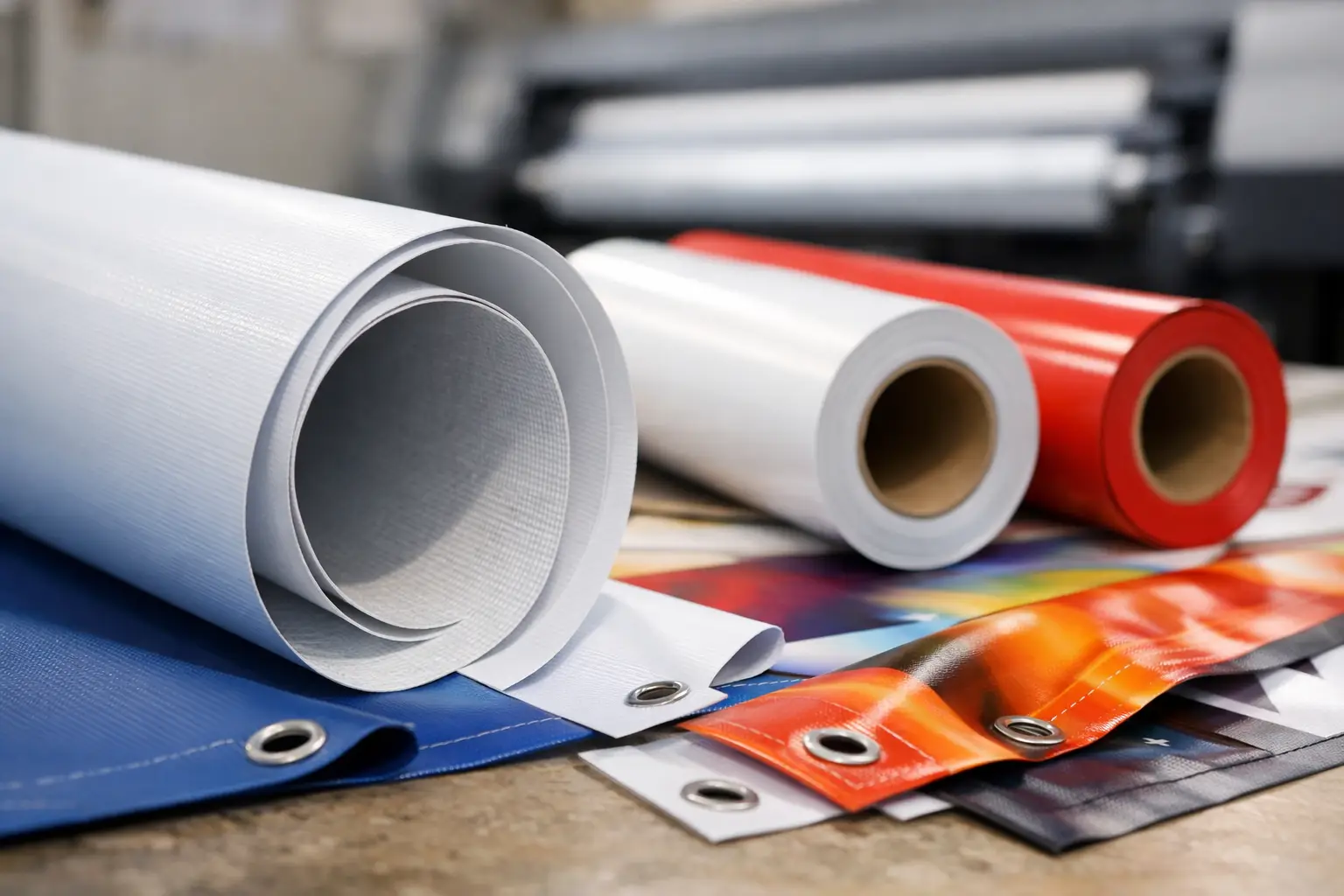
Vinyl banners are a dependable choice for general outdoor promotion. They suit shopfront offers, local events, building sites, sports clubs and seasonal campaigns because they are hard-wearing, easy to install and designed to cope with rain. With quality finishing and properly positioned eyelets, they can be securely fixed to railings, fencing and walls.
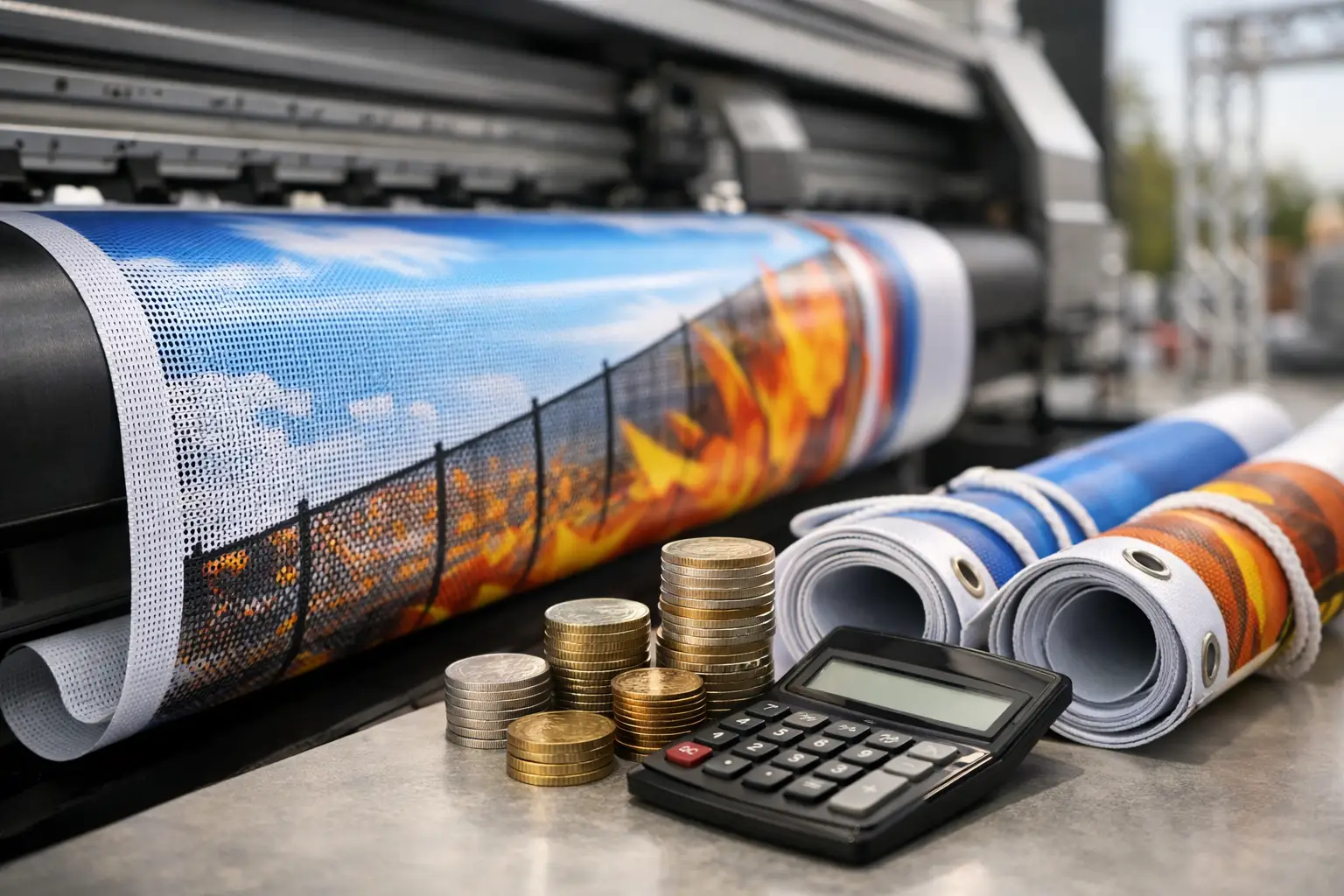
Mesh banners are often the better option for exposed locations. Their perforated surface lets air pass through, reducing wind resistance. This makes them particularly useful on scaffolding, perimeter fencing and open sites where a solid banner could pull against its fixings. The print remains clear from a normal viewing distance, but the material is working harder behind the scenes to manage the conditions.
For temporary outdoor signs, rigid boards can also be effective. They give a clean, professional finish for estate-agent boards, directional signage, construction notices and event information. The key is matching the board thickness, fixing method and expected lifespan to the location. A sign that is suitable for a short promotion may not be the right choice for months of roadside exposure.
What makes marketing print genuinely weatherproof?
Weatherproof does not simply mean that a product can get wet once. A practical outdoor print needs to resist moisture, retain its shape and hold colour when exposed to daylight. Good materials and production standards make the difference between a display that stays presentable and one that quickly becomes a replacement cost.
UV-resistant printing is especially valuable for anything placed in direct sunlight. Strong colours, logos and photography can lose impact when inks fade, so this matters for branded banners, outdoor backdrops and retail promotions that may be displayed for weeks or months.
Finishing also deserves attention. Hemmed edges add strength to banners, particularly larger formats or displays that will be tensioned between posts. Eyelets need to be placed for secure fixing, with enough support around each point to prevent tearing. If a banner will be moved, packed away and reused, these details are not minor extras. They are what help it last.
Weather resistance has limits, and honest planning matters. Even high-quality material can be damaged by poor installation, sharp edges, loose cable ties or extreme winds. A banner should be pulled taut without being overstretched, and fixings should be checked regularly. In exposed areas, choose mesh and use more fixing points rather than relying on a few corner eyelets.
Need vinyl banners? Choose your size and see the price straight away.Get an instant price
Best weatherproof marketing prints for common jobs
For a shop promotion, a vinyl banner is usually the most flexible starting point. It gives bold colour, enough space for a clear offer and an easy way to update messaging for sales, openings or seasonal trading. Keep the message short: the business name, the offer, a deadline and a contact method are often enough.
For construction, landscaping and trades, mesh banners work well on fencing and scaffolding. They can promote your services while helping the site look organised. Include a large logo, key services and a phone number that can be read by passing traffic. Avoid packing in every service you offer. Outdoor viewers need to understand the message in seconds.
For events, consider how people move through the space. A branded backdrop creates a strong focal point for photographs, presentations and sponsor visibility, but it needs the right setting. If it will be used outdoors, select a weather-suitable material and make sure the frame or fixing system is stable. Smaller directional signs can then guide visitors to entrances, registration points, food areas or parking.
For cafés, pubs and hospitality venues, outdoor banners are useful for promoting live music, special menus, private hire and match-day offers. They are also an affordable way to make an otherwise overlooked frontage work harder. Use high-contrast colours and larger type than you might use for an indoor flyer. A passer-by should be able to read the main message without stopping.
For property, community groups and local campaigns, weatherproof boards and banners offer visibility without a complicated set-up. They can announce a planning consultation, promote a fundraiser or provide wayfinding at a village event. The strongest designs are clear, local and direct.
Design for distance, rain and real-world viewing
Outdoor artwork needs a different mindset from a leaflet or business card. Fine details may look excellent on a screen but disappear from a pavement, car park or road. The aim is not to fit in more information. It is to make the important information impossible to miss.
Start with a simple visual hierarchy. Your logo or headline should lead, followed by the offer or essential detail, then the contact information. Choose typefaces that are clean and heavy enough to read at distance. Avoid pale text on a busy photograph, narrow lettering and long blocks of copy.
Colour contrast matters as much as brand colour. Dark text on a light background, or light text on a dark background, will usually be easier to read in changing daylight. If your design uses a photo, place key wording on a solid colour panel rather than directly over the image.
Artwork quality is equally important. Low-resolution logos and images can look blurred when enlarged for large-format printing. Supply print-ready artwork at the requested size where possible, or ask for a design check before production. This is particularly useful when you are working to a tight deadline and cannot afford a reprint.
Make the print last with the right installation
A well-printed banner can still fail if it is fitted badly. Before ordering, think about where and how it will be displayed. Measure the available space carefully, allowing room for eyelets, ropes, bungee cords or cable ties. Do not assume the printed size is the same as the usable fixing area.
For fencing, use enough ties to spread the load along the edges. For railings, bungee cords can provide useful flexibility in breezy locations. For walls, use suitable fixings for the surface and avoid placing banners where they will rub against sharp metal or brickwork.
If your campaign runs for several months, inspect the display after severe weather. Check for loose corners, stretched material and damaged fixings. Taking five minutes to tighten a banner can prevent it becoming damaged or unsafe.
Order around your deadline, not after it
Promotional print is often needed because something is happening soon: a new shop opening, a tender-winning site, an exhibition, a sale or a local event. That is why fast turnaround matters, but speed should not mean rushing the decisions that affect the final result.
Confirm the finished size, material, artwork and delivery date before production begins. If the print must arrive for a specific event, build in time for fitting it on site. A banner delivered the morning of an event may technically be on time, but it leaves no margin for checking the artwork, finding suitable fixings or dealing with access restrictions.
UK-based production can make a real difference when deadlines are tight. At Banner Printing UK, customers can order custom display products, upload artwork and move quickly from design to print and delivery without unnecessary back-and-forth.
The most effective outdoor print is the one that is clear, properly specified and ready to work when your audience sees it. Choose material for the location, keep the message focused and give the installation the same attention as the design. Your next banner should still look like a good decision after the first downpour.