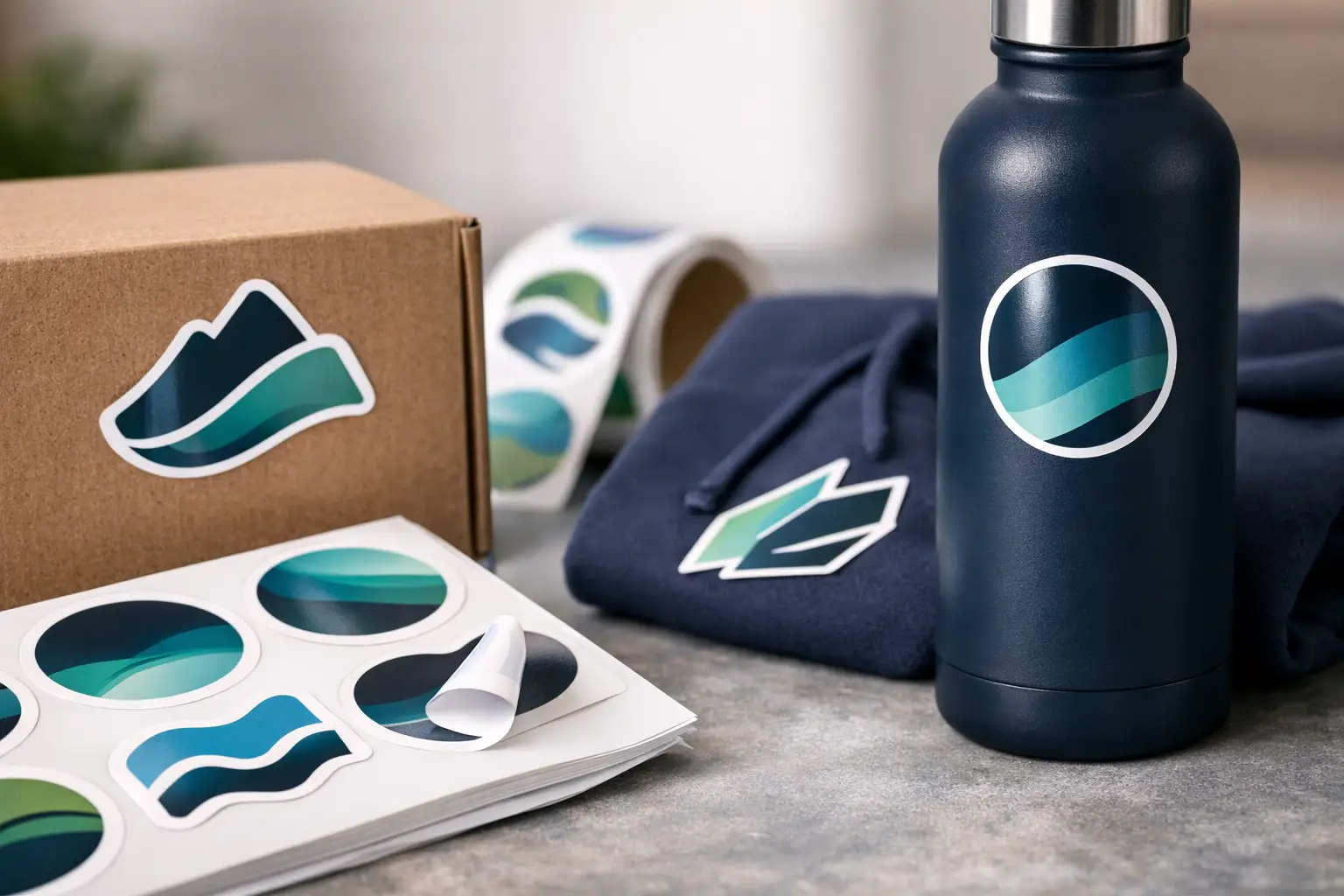
A sticker on a takeaway bag, shop window or product box has one job: make your brand recognisable before the customer has moved on. That is why custom sticker printing UK orders need more than a logo placed on a circle. The right material, finish and size turn a small printed item into a useful piece of everyday marketing.
For retailers, tradespeople, event teams and growing local brands, stickers are one of the most flexible ways to add a professional finish without stretching the budget. They can label products, seal packaging, promote an offer, guide visitors or simply keep your name in sight. The key is choosing specifications that suit where and how the sticker will be used.
What makes a sticker work hard for your brand?
A good sticker is clear at a glance and built for its environment. That sounds simple, but it affects every decision from the shape of the label to the coating on its surface.
Start with the message. If a customer will see the sticker from a distance, such as on a shopfront or event giveaway, keep the design bold. A short call to action, memorable logo or promotional code is more effective than a crowded block of text. For product labels, the priorities may be different: legible ingredients, product names, barcodes and a consistent finish across the range.
Size matters just as much. Small stickers are ideal for jars, packaging seals, loyalty cards and handouts. Larger formats can make branded folders, equipment cases, windows and displays work harder. Before ordering, place a paper version on the intended surface. It is a quick way to check whether the artwork feels visible, balanced and practical.
Shape can do some of the branding work too. Square and rectangular stickers make efficient use of space and suit information-led labels. Circles are a strong choice for logos and seals. A custom cut shape can look distinctive, but fine points, narrow gaps and intricate edges can be less practical on a sticker that will be handled often. If speed and broad use are the priority, a clean standard shape is usually the sensible choice.
Custom sticker printing UK: choosing the right material
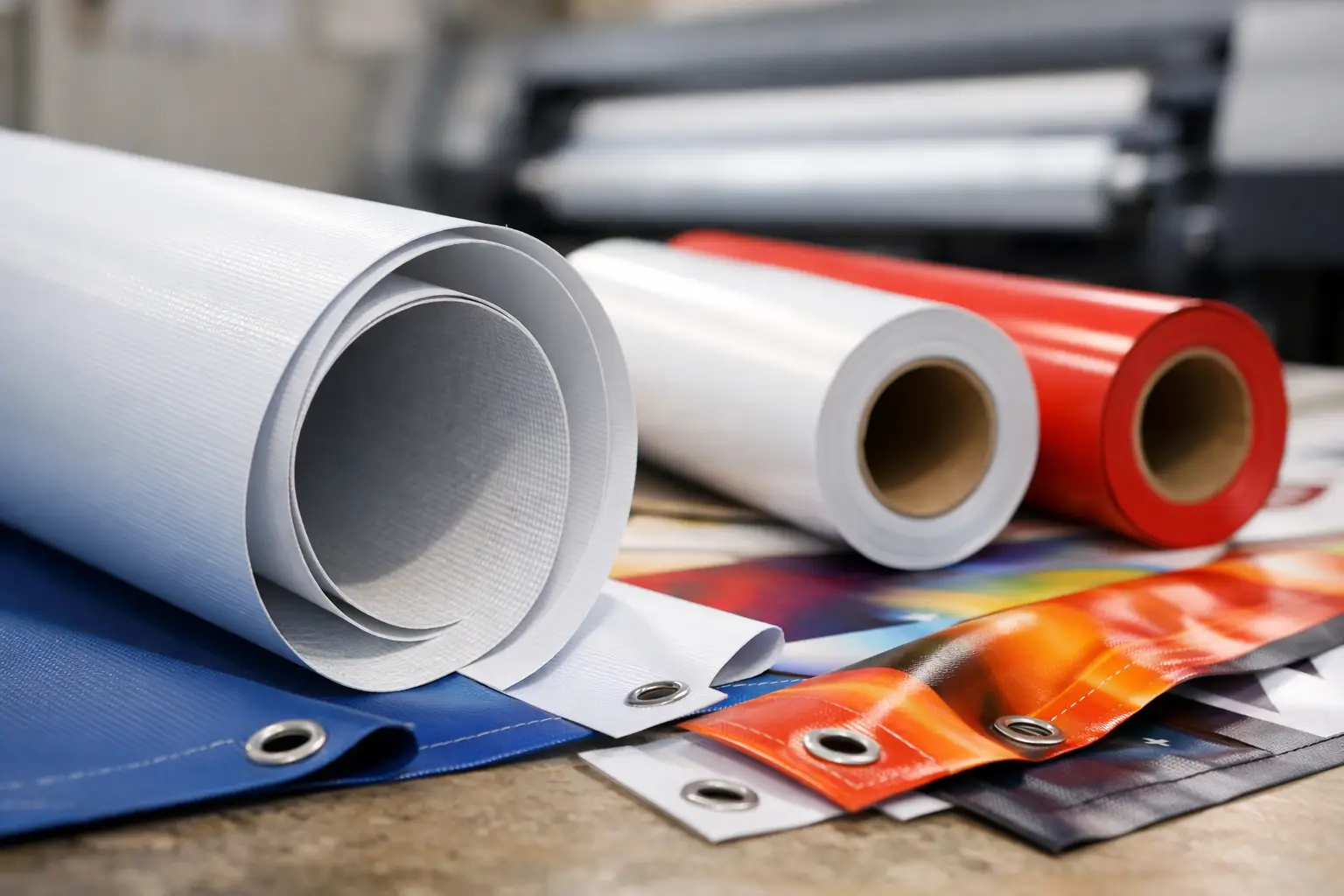
Material is where a sticker either performs or disappoints. Paper labels can be cost-effective for short-term indoor use, particularly on boxes, menus, promotional packs and event materials. They are not, however, the right choice for rain, condensation or high-contact surfaces.
Vinyl is the more dependable option when durability matters. It is suited to outdoor promotions, window graphics, equipment labels, water bottles, vehicles and products that may get wet. A quality vinyl sticker holds its colour well and copes far better with scuffs and changing weather than standard paper stock.
For many UK businesses, the decision comes down to the setting. A café applying labels to dry takeaway bags may be well served by paper. The same café promoting a summer event with stickers for reusable cups or outdoor signage should choose waterproof vinyl instead. Paying slightly more for the right stock is cheaper than replacing stickers that curl, fade or peel too early.
Finish affects both appearance and usability. Gloss gives colours extra punch and suits bold retail designs, promotional giveaways and photographic artwork. Matte has a more understated look, reduces glare and can feel especially smart on premium packaging or simple logo designs. There is no universal winner. Choose gloss when you want impact and matte when the brand look calls for calm, refined presentation.
Make artwork print-ready before the deadline hits
Urgent orders are common in print. A trade show date moves forward, a new product lands early or a local event needs extra branding at short notice. The fastest route to a strong result is artwork that is ready to print from the start.
Use high-resolution files for any images and avoid copying a logo from a social media profile or screenshot. These files are often too small, which can leave edges looking soft or pixelated once printed. Vector artwork, such as PDF, AI or EPS files, is generally best for logos and text because it stays sharp at different sizes. A high-quality PDF is often the most straightforward option for finished sticker artwork.
Build the design at the final print size and include bleed where required. Bleed is the extra artwork that extends beyond the cut edge. It prevents unwanted white lines if the sheet shifts slightly during trimming. Keep important text, borders and logos away from the edge as well. A narrow safety margin makes the finished sticker look deliberate rather than cramped.
Colour needs a practical approach. Bright colours on a screen can appear different in print, especially when a design has been made in RGB for digital use. Preparing files in CMYK gives a more reliable starting point for print. If your branding depends on a very specific shade, use an approved print-ready logo file and avoid making last-minute colour changes in an online editor.
Do not overload a small sticker with tiny type. If the wording cannot be read at arm’s length, it may be better suited to a larger label, a QR code or a separate information card. Print is most effective when it is easy to understand quickly.
Sticker ideas that deliver beyond the first sale
Stickers earn their place because they travel. A printed flyer is often read once; a well-designed sticker can remain on a laptop, toolbox, notebook or vehicle for months. That makes it worthwhile to think beyond the immediate order.
Retailers can use branded seals to make bags and tissue paper feel considered, then include a second sticker as a small extra for the customer. Trades and construction firms can label site equipment, hard cases and document packs, keeping branding visible while helping identify company property. Event organisers can use stickers for delegate packs, wristband areas, directional signs and sponsor visibility.
Hospitality businesses often get strong value from sticker printing. A clear label can identify dietary options, add a QR code for reordering, mark a collection point or turn plain packaging into branded packaging. For independent food and drink businesses, this is a practical way to present a consistent brand without committing to large volumes of pre-printed boxes.
Promotional stickers also work well alongside larger-format print. A roller banner establishes your message at the stand, while stickers give visitors something compact to take away. A vinyl banner drives attention at a site or outdoor event, while labels help identify stock, samples or sign-up packs. Used together, these printed items create a more joined-up presence without complicating the campaign.
Ordering for speed without compromising quality
Fast turnaround is valuable only if the order is right when it reaches production. Confirm the quantity, finished size, material, shape and delivery date before uploading files. It sounds obvious, but a last-minute change from indoor labels to weatherproof stickers can affect cost and production timing.
Quantity also deserves a realistic calculation. Small runs are useful for testing a new design, short campaign or limited product launch. Larger runs usually make more sense when the sticker is part of routine packaging, repeat events or a long-running promotion. Order enough to cover normal use, but do not tie up budget in a design that may change next month.
Check the surface before choosing an adhesive solution. Smooth, clean surfaces are the easiest. Dusty walls, textured materials, damp packaging and freshly painted areas can all affect how well a sticker holds. For outdoor use, apply vinyl to a clean, dry surface and press firmly from the centre outwards to reduce trapped air.
Delivery planning matters too. If the stickers are needed for a launch on Friday, allow time to receive them, check the order and apply them before doors open. Fast UK production and dispatch can protect a tight schedule, but no print supplier can rescue artwork that arrives late or specifications that keep changing. A clear brief is the best way to keep a quick job moving.
Get more from every printed sticker
The strongest sticker campaigns are consistent rather than complicated. Use the same logo treatment, key colours and tone of voice across stickers, banners, flyers and business cards so each item reinforces the next. Customers may only notice one piece at a time, but they remember the overall impression.
Banner Printing UK supports businesses that need promotional print to arrive quickly and look the part, from small branded labels to wider display materials. Whether you need a short run for an upcoming event or repeat stickers for day-to-day packaging, choose a material that suits the job and artwork that says exactly what it needs to say. A sticker may be small, but placed in the right hands and on the right surface, it can keep your business visible long after the first conversation.