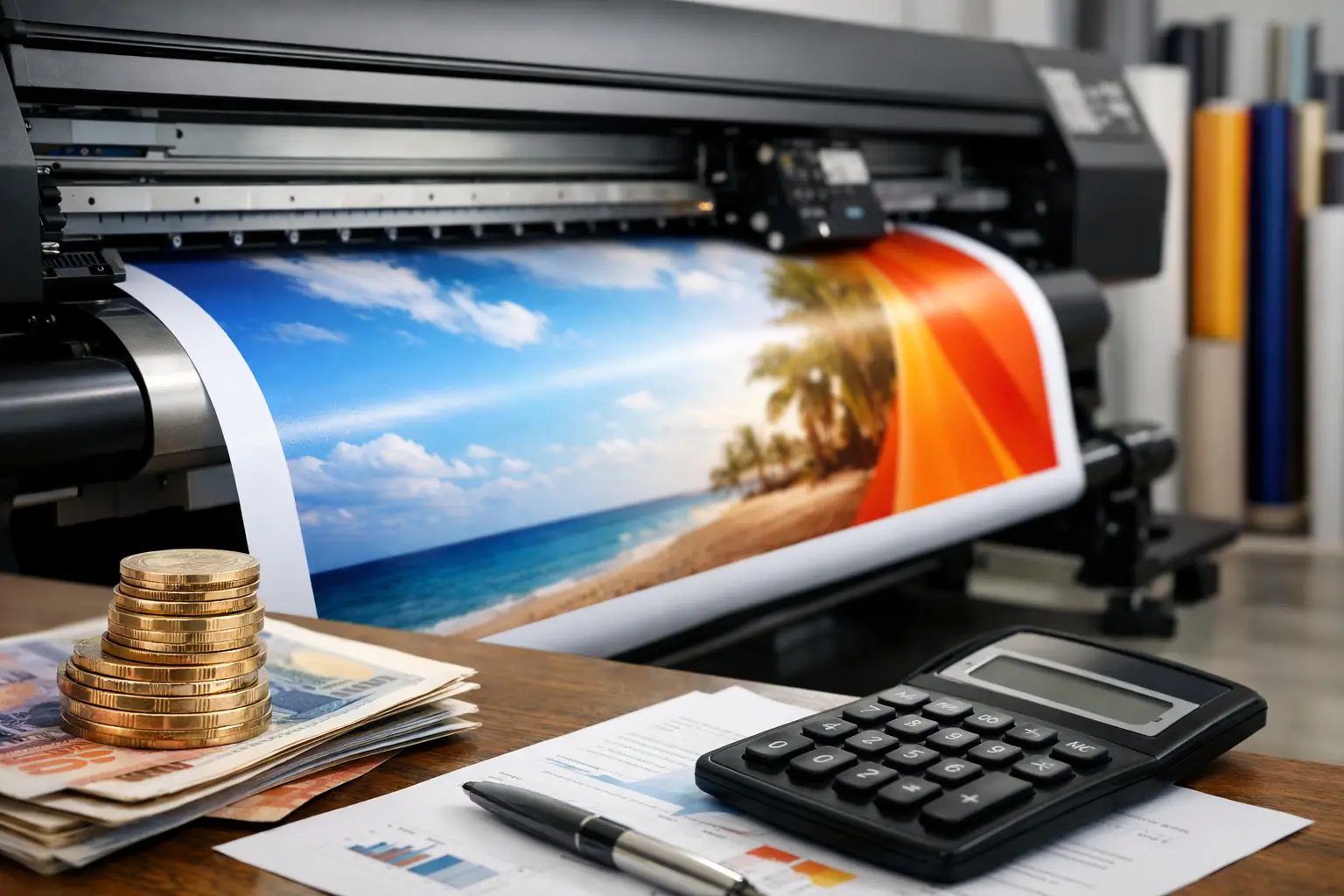
A backdrop is often the first branded surface people see when they enter your stand, venue or launch space. Get it right and every conversation, photograph and social post works harder for your business. Event backdrop printing UK customers can depend on is not just about putting a logo on a large panel. It is about choosing a display that suits the venue, the audience, the available space and the time you have before doors open.
For exhibitions, conferences, award evenings, retail activations and press events, a professionally printed backdrop creates a clear focal point. It tells visitors where they are, who is hosting and why your brand deserves attention. The practical details matter just as much as the design: material, finish, size, artwork setup and delivery timing all affect how the final display performs on the day.
What makes a strong event backdrop?
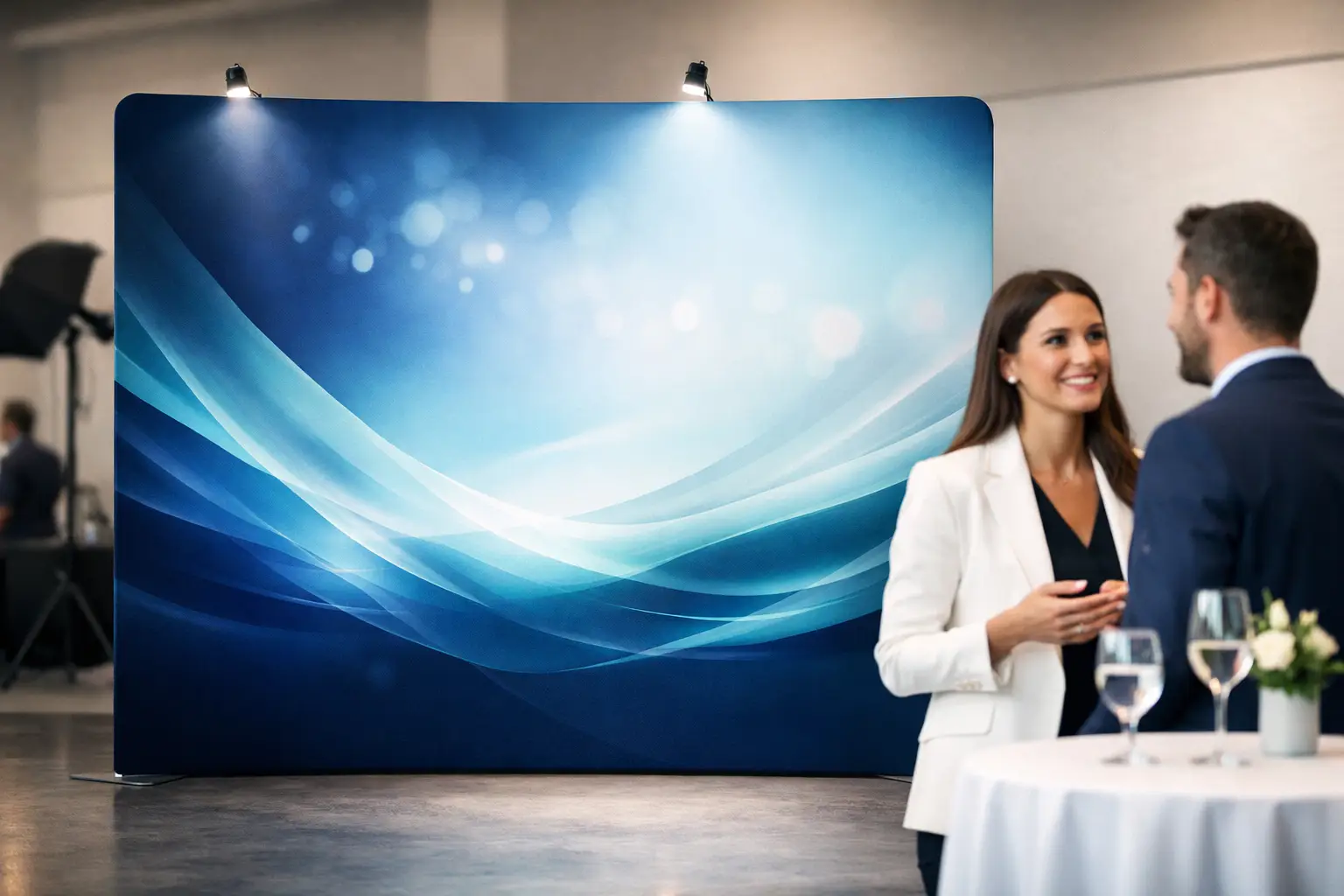
The best backdrops do not compete with the people standing in front of them. They support the message, frame the space and stay sharp under event lighting. A clean logo layout, confident brand colours and enough clear space around key information will usually outperform a crowded design full of small text.
Think about how the backdrop will be used. A photo wall needs repeated logos positioned at a sensible height, so they remain visible when guests stand in front of it. A trade show backdrop may need a bolder headline, product image and contact detail that can be read from a distance. A stage backdrop needs to work from across the room as well as on camera.
This is where scale matters. Text that looks substantial on a laptop screen can become difficult to read from three metres away. Keep the main message large, prioritise one clear call to action and use supporting detail only where it will genuinely be read. If your audience is walking past a busy exhibition stand, they should understand what you do in seconds.
Choosing materials for event backdrop printing UK buyers need
There is no single best backdrop material. The right choice depends on whether the event is indoors or outdoors, how often the display will be used and whether it needs to travel between venues.
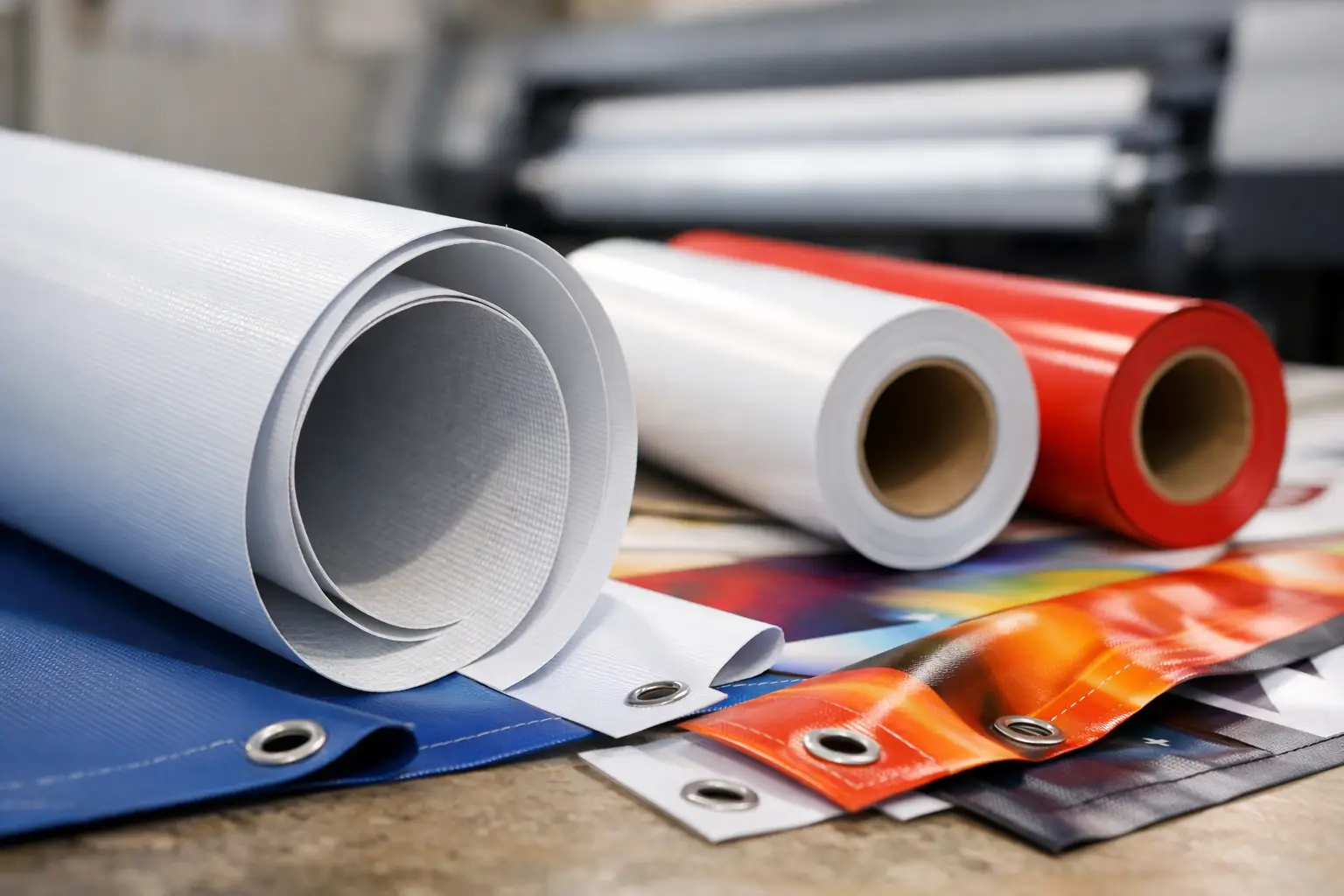
PVC vinyl is a popular option for a reason. It is durable, gives colours good impact and handles the demands of busy events well. It is especially useful where a backdrop needs to be fixed to a wall, exhibition shell scheme, frame or fencing. For indoor use, a smooth vinyl finish can create a crisp, professional branded surface that is easy to wipe clean and reuse when handled carefully.
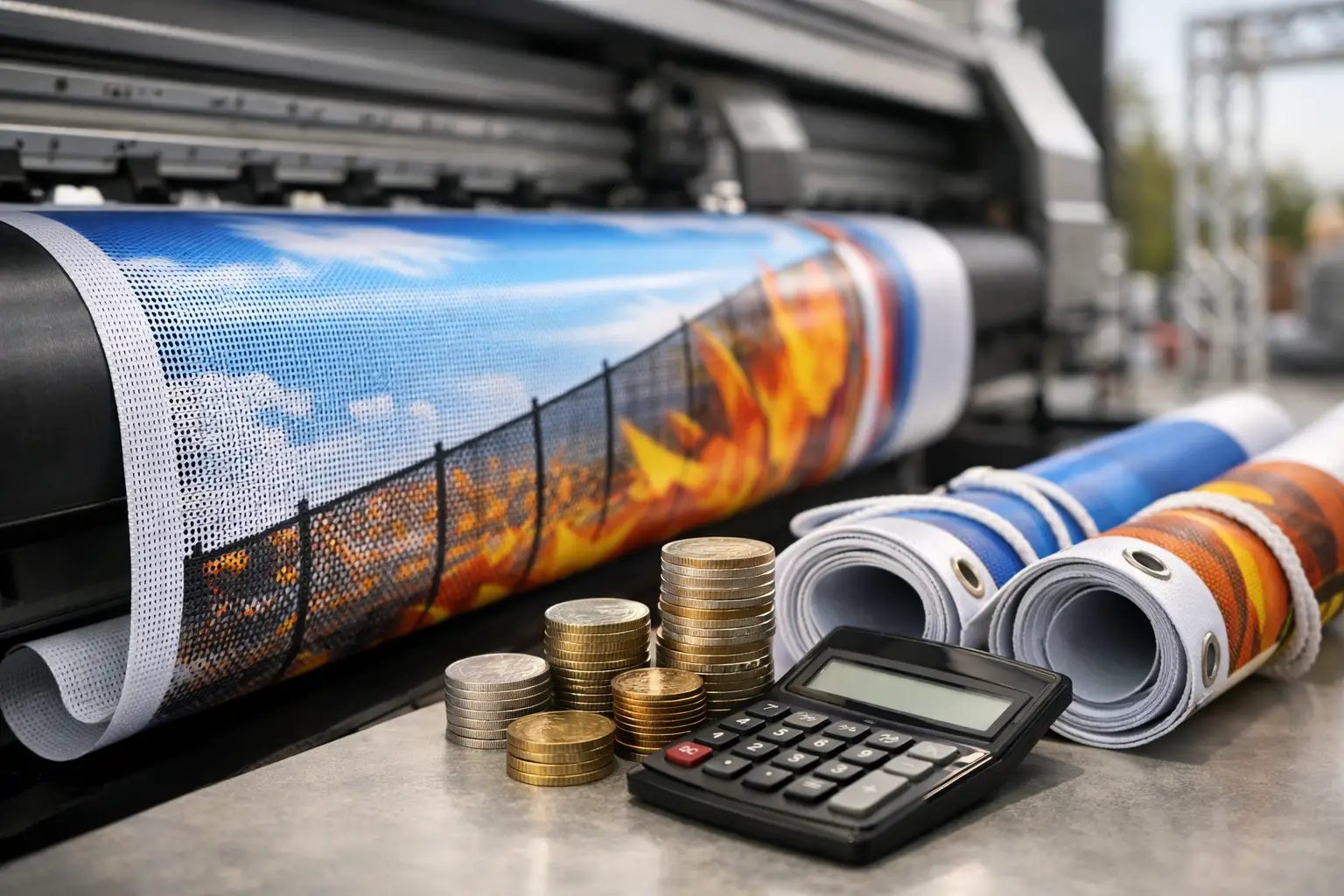
For outdoor events, weatherproof and UV-resistant banner materials are essential. Wind, rain and direct sunlight can quickly expose poor material choices. Mesh banner material is often the better option in exposed locations because its small perforations allow air to pass through, reducing wind resistance. The trade-off is that fine detail and very small text can appear less solid than on standard vinyl, so artwork should be designed with this in mind.
Portable display systems are a practical choice for businesses attending several events each year. Roller banners, pop-up displays and lightweight backdrop systems are easier to transport, quicker to install and simpler to store than a large fixed banner. They may offer less visual coverage than a full exhibition wall, but for small stands, presentations and hospitality areas, their speed and convenience can be worth more than maximum size.
Fabric backdrops can provide a softer, less reflective appearance, which is useful for photography and high-end indoor settings. However, they need the right frame or hanging method and may require more careful handling than vinyl. If a quick turnaround and hard-wearing finish are the priorities, a printed vinyl backdrop is often the straightforward choice.
Get the size and viewing distance right
Before ordering, measure the usable display area rather than estimating it from memory. Check ceiling height, stand walls, doors, fire exits, lighting rigs and furniture. A backdrop that is even slightly too large can create a last-minute fitting problem. One that is too small may look lost behind a reception desk or exhibition stand.
For a step-and-repeat photo wall, choose a size that covers the group shots you expect to take. A smaller wall can work for individual portraits, while a wider backdrop is more practical for award winners, teams and guest photos. Keep logos within the central viewing area rather than placing critical elements too close to the edges.
At a trade show, consider the main sightline. Visitors may approach from an aisle, view the stand from across the hall or see the display over other exhibitors’ furniture. A tall backdrop can improve visibility, but only if the key branding is high enough to be seen without forcing people to look up. For most displays, the important content belongs around eye level and above the furniture line.
Artwork setup that protects print quality
Large-format print is unforgiving of low-resolution images. A small web image can look acceptable online but become blurred or pixelated when enlarged across a backdrop. Use original photography, vector logos and high-resolution graphics wherever possible.
Vector files are ideal for logos, icons and text because they remain sharp at any size. Common formats include PDF, AI and EPS. If you are supplying a PDF, ensure fonts are embedded or converted to outlines, and check that images included in the file are high resolution. Designs should be created at the final print size or at a proportional scale agreed for large-format production.
Use CMYK colour mode for print artwork. Screen colours are produced with RGB light, while printed colours are made from ink, so some variation is normal. If your brand uses a precise corporate colour, provide the relevant colour reference and avoid relying solely on how it appears on your monitor.
Bleed and safe areas are equally important. If the print will be trimmed, hemmed or fitted into a frame, artwork needs extra background around the edge. Keep logos, phone numbers and key wording clear of finishing areas. A practical artwork check before production can prevent a good design becoming an expensive disappointment.
Plan for installation, not just delivery
A backdrop that arrives on time still needs to be easy to fit. Decide in advance whether it will be attached with eyelets, cable ties, bungee cords, hooks, Velcro or a dedicated display frame. The fitting method affects the finished size, tension and where the artwork should sit.
For banners with eyelets, make sure the fixing points are secure and evenly spaced. Pulling a banner too tightly in one direction can distort it or put pressure on the eyelets. For a polished result, apply even tension from the corners and work towards the centre. If the backdrop will be photographed, check that there are no visible folds, loose edges or distracting reflections before guests arrive.
It also pays to assign installation to a named person. Event teams are busy, venues can be restrictive and the person who ordered the backdrop may not be the person setting it up. Send the dimensions, fitting instructions and a photograph of the intended layout to the team in advance. That small step avoids rushed decisions when the room is already filling up.
Fast turnaround without cutting corners
Events rarely move at a leisurely pace. Sponsor details change, a new product is added to the agenda or a venue confirms the final stand size later than expected. UK-based production helps when deadlines are tight, particularly when artwork can be uploaded directly and checked before printing.
Fast turnaround should still leave room for the essentials: confirming dimensions, checking spelling, reviewing logo placement and choosing a material suited to the setting. Ordering the biggest or cheapest option without considering use can cost more when the backdrop is difficult to install or fails to look right in photographs.
Banner Printing UK supports businesses that need practical large-format print without unnecessary delay, with professional production, dependable materials and fast delivery for event deadlines. Whether you need one branded backdrop for a local launch or repeated displays for a busy exhibition calendar, clear artwork and an early decision on format will keep the process moving.
A good event backdrop earns its place long after the doors close. Build it around a message people can recognise at a glance, print it on material that suits the setting and make fitting part of the plan. Then it will do what branded print should do: make your business easier to notice, remember and trust.