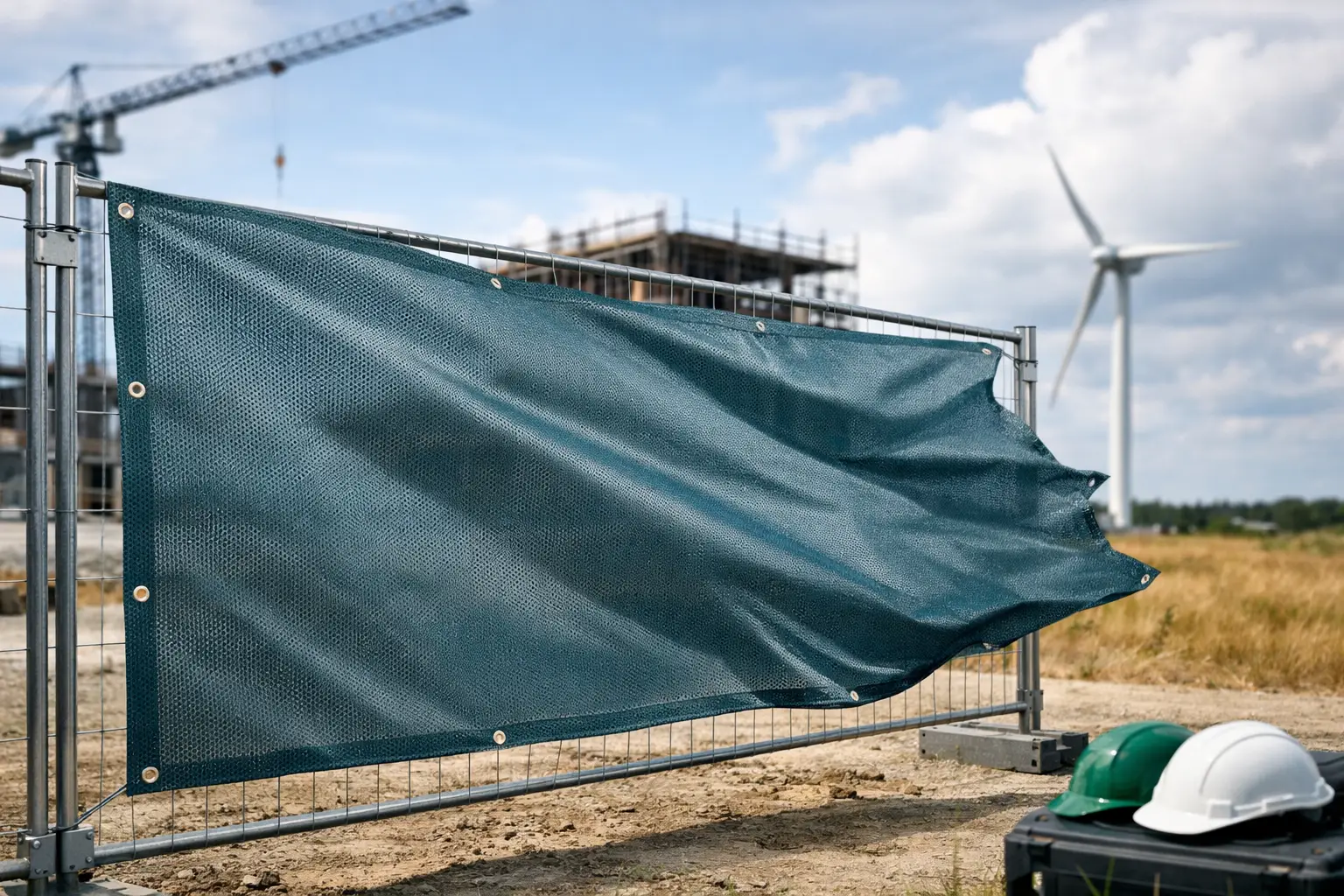
A banner fixed to temporary fencing has a tough job. It must promote your business clearly while coping with wind, rain, dust and constant public view. Mesh banner printing is built for exactly these conditions, giving you a professional, full-colour display without turning every panel into a solid sail.
For construction sites, outdoor events, sports grounds, retail refurbishments and roadside promotions, the right material can prevent avoidable damage, reduce strain on fencing and keep your message visible for longer. The key is knowing where mesh works best, how it differs from standard vinyl and how to set up your artwork for a result that reads properly at a distance.
What is mesh banner printing?
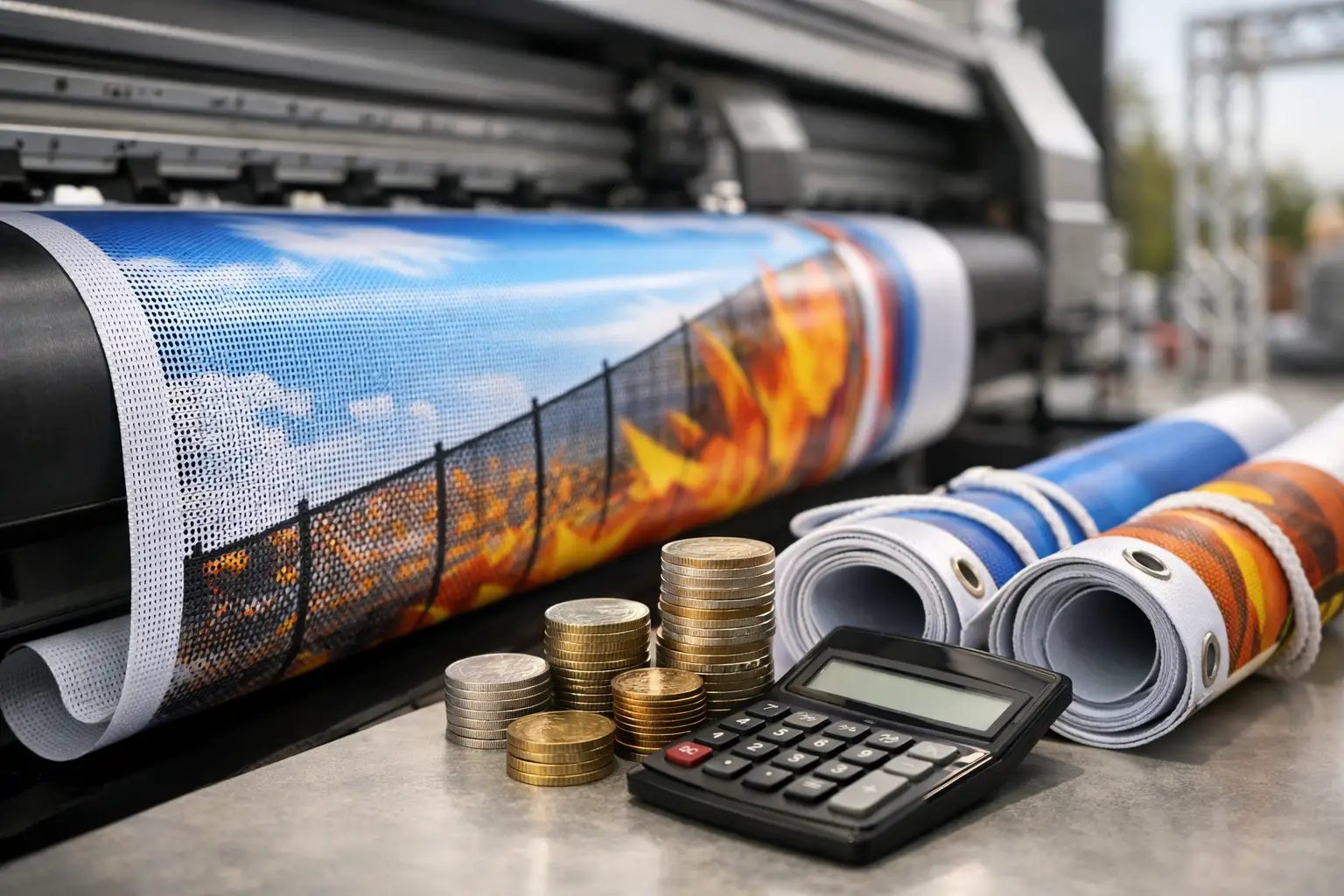
Mesh banners are printed on perforated PVC material. Tiny holes run across the surface, allowing air to pass through while leaving enough printable area for bold graphics, logos and messaging. From a normal viewing distance, the holes are barely noticeable. Up close, you can see the perforation; from the pavement, roadside or event entrance, visitors see your branding.
This breathable construction is the main reason to choose mesh. A solid vinyl banner catches the wind across its entire face, which can pull at eyelets, cable ties and the fence itself. A mesh banner reduces that wind load, making it a practical choice for exposed locations.
That does not mean mesh is the answer for every banner. Because the surface is perforated, colours can appear slightly less dense than on solid vinyl, particularly in close-up indoor displays. If your banner will be placed inside a shop, against a wall or in a calm area where maximum colour impact matters most, a standard vinyl banner may be the better option.
When a mesh banner is the right choice
Mesh is most effective where wind is part of the brief, not an afterthought. It is widely used on Heras fencing around building projects, property developments and public works. It also suits outdoor festivals, school grounds, scaffolding, race events, car parks and perimeter fencing around sports pitches.
For a construction firm, printed mesh can turn a plain site boundary into consistent brand advertising. Add a company logo, contact details, services and a clear message such as “New homes coming soon” or “Site entrance”. On long fence runs, repeat key information rather than relying on one small logo at the centre. People may only see one panel while walking or driving past.
Event organisers benefit from mesh banners when creating entrance routes, sponsor areas, queue lanes and boundary signage. The material helps displays stay presentable when weather changes, while full-colour printing gives sponsors the visibility they expect. Retailers can use it around refits or external promotions to keep a premises looking active while work is underway.
If your installation is sheltered, short-term and viewed from only a few metres away, consider whether a vinyl banner will give you stronger colour and a cleaner finish. Material choice should follow the location, not simply the size of the banner.
Mesh banner printing that stays clear at a distance
The most effective outdoor banners do not try to say everything. A fence banner is usually seen quickly, often from across a road or through a busy event space. Your artwork needs to work in seconds.
Start with one main message. This may be your business name, a launch announcement, a service headline or a sponsor identity. Support it with a phone number, web address or short call to action only if there is enough room. Long paragraphs, fine print and dense service lists rarely perform well outdoors.
Use high contrast between the background and text. Dark lettering on a light background, or white lettering on a deep colour, is generally easier to read than similar tones placed together. A pale logo on a busy photographic background may look attractive on a screen but disappear at full size. Where photography is essential, add a solid colour block behind the wording.
Keep text large and purposeful
There is no single perfect font size because viewing distance changes from site to site. As a rule, the further away people need to read it, the fewer words you should use and the larger each word needs to be. A simple headline and large logo will usually outperform a detailed design.
Avoid very thin typefaces, delicate lines and small icons. Mesh perforations are subtle, but they can affect fine detail. Choose clean, heavier fonts and allow plenty of space around important information. This is especially useful for contact numbers, which must be readable rather than merely included.
Supply artwork at the correct size
Build artwork to the final banner dimensions where possible. For large-format print, a high-resolution PDF is often the most reliable format because it preserves vector logos, text and layout. Vector artwork is ideal for logos and lettering as it remains sharp when scaled.
Images should be good quality at their intended print size. A small image copied from social media may look acceptable on a phone but can become soft or pixelated on a two-metre banner. If you are unsure, send the best file you have rather than trying to enlarge it yourself. A print team can flag obvious issues before production.
Leave important text and logos clear of the edges. Eyelets are positioned around the perimeter for fixing, so critical design elements should sit within a safe margin. Bleed and finishing requirements vary by product size and setup, so check the artwork guidance before placing your order.
Choosing the right size and finish
A banner should fit the space it is designed for. Measure the usable area of your fence, railings or frame, including gaps, posts and gates. It is better to use several well-fitted panels across a long boundary than force one oversized banner into an awkward position.
For repeated fencing, matching panels create a more organised site appearance. You may choose one design repeated throughout or alternate a brand panel with a campaign, safety message or sponsor panel. Keep the colours and visual hierarchy consistent so the run looks intentional.
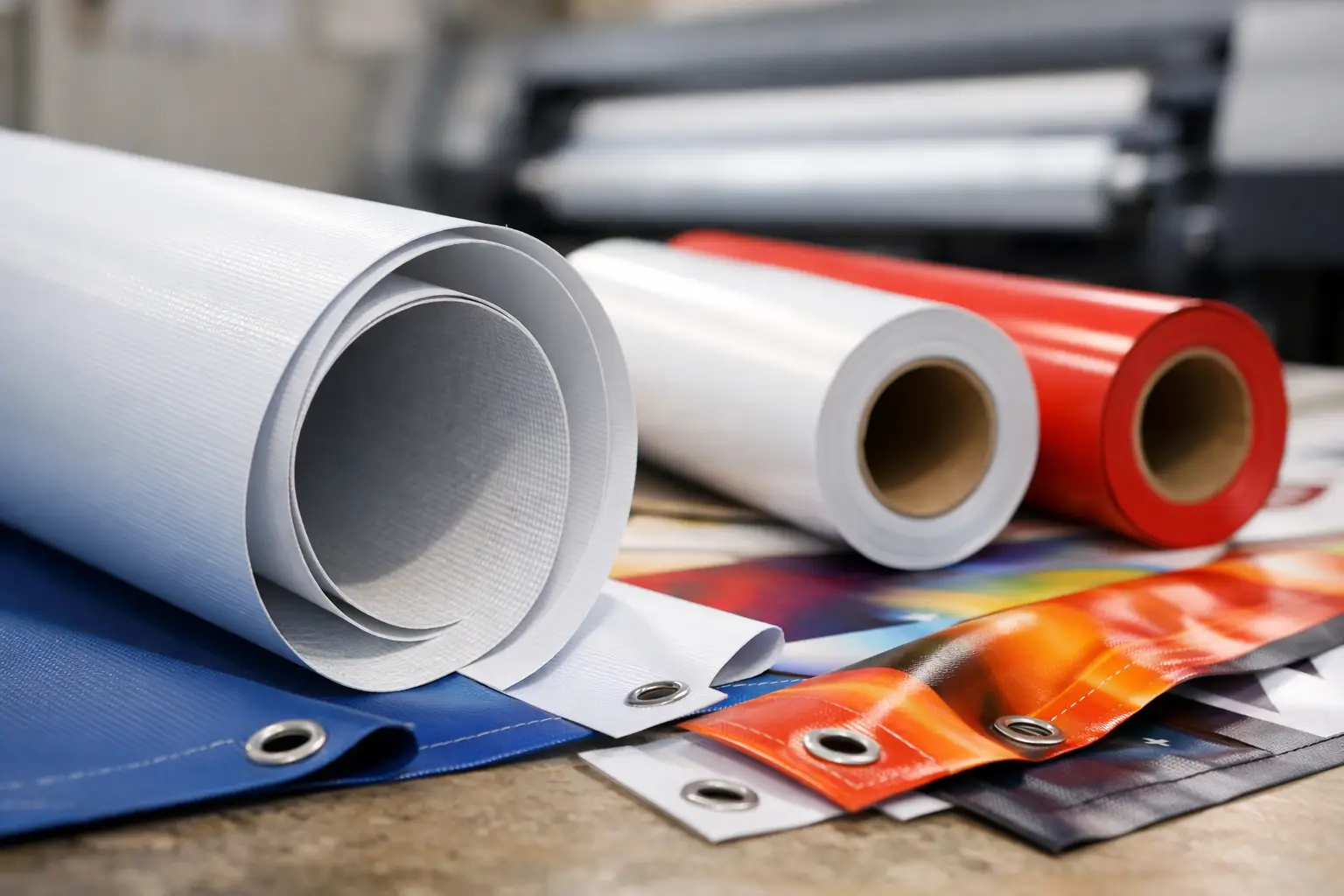
Eyelets are essential for most outdoor installations. They provide reinforced fixing points around the edge, allowing the banner to be secured with cable ties, bungee cords or suitable fixings. For windy locations, use every available eyelet rather than only the corners. This spreads tension across the banner and helps prevent flapping.
Hems add strength at the edges and are a sensible choice for banners that will be up for extended periods or face regular wind. The best finish depends on the installation method and location, but cutting corners on fixing can shorten the life of even the highest-quality print.
How to install mesh banners securely
A well-printed banner still needs proper fitting. Check the fence or structure before installation. Temporary panels should be stable, connected securely and weighted where needed. A banner cannot correct an unstable fence, and poor setup can create a safety issue in strong winds.
Attach the top corners first, then work along the top edge before securing the sides and bottom. Keep the banner taut enough to look neat, but do not overstretch it. Excessive tension can strain eyelets and create weak points. Use cable ties at regular intervals, trimming the ends for a tidy finish where the public may be nearby.
Inspect outdoor banners after severe weather, particularly during longer campaigns. Replace damaged ties, check for rubbing against sharp edges and remove debris that may collect around the installation. Mesh reduces wind resistance, but every outdoor display still needs sensible maintenance.
Fast ordering without compromising the result
Urgent projects are common in print. A site opens early, an event date moves forward, or a retailer needs branded fencing before contractors arrive. The fastest route to a good result is to confirm three things before ordering: final size, installation method and artwork readiness.
Choose the material based on exposure, not guesswork. Check your dimensions carefully and make sure contact details in the design are current. If artwork needs refining, deal with that before the production deadline becomes critical. A clear file and an approved layout help keep printing and dispatch on schedule.
Banner Printing UK produces custom large-format displays for businesses that need professional print quickly, with practical support for artwork, finishing and delivery. Whether you need one panel for a local event or a full run for a site perimeter, give the banner a clear job to do. The right mesh material, strong design and secure fitting will keep that job working long after installation day.