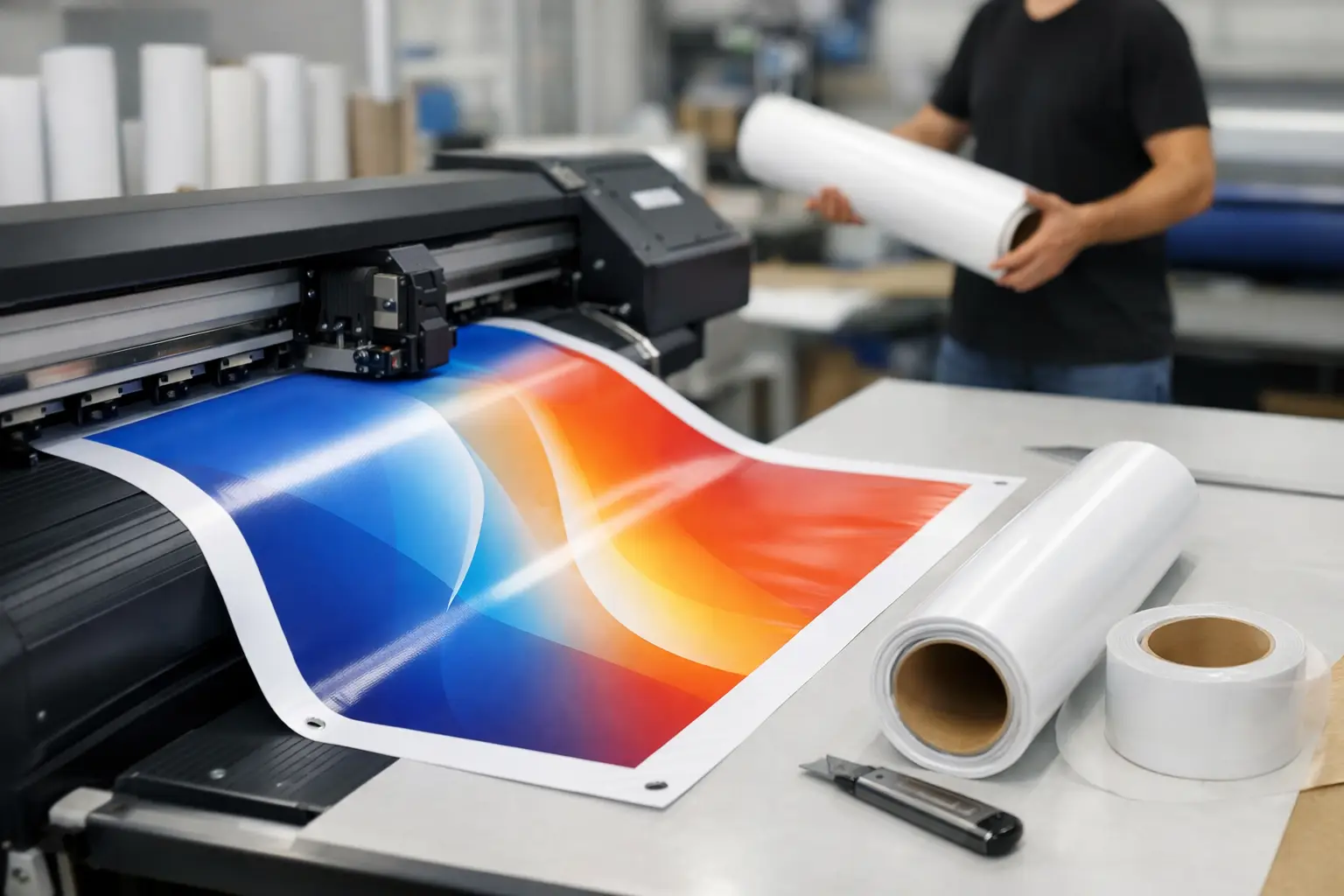
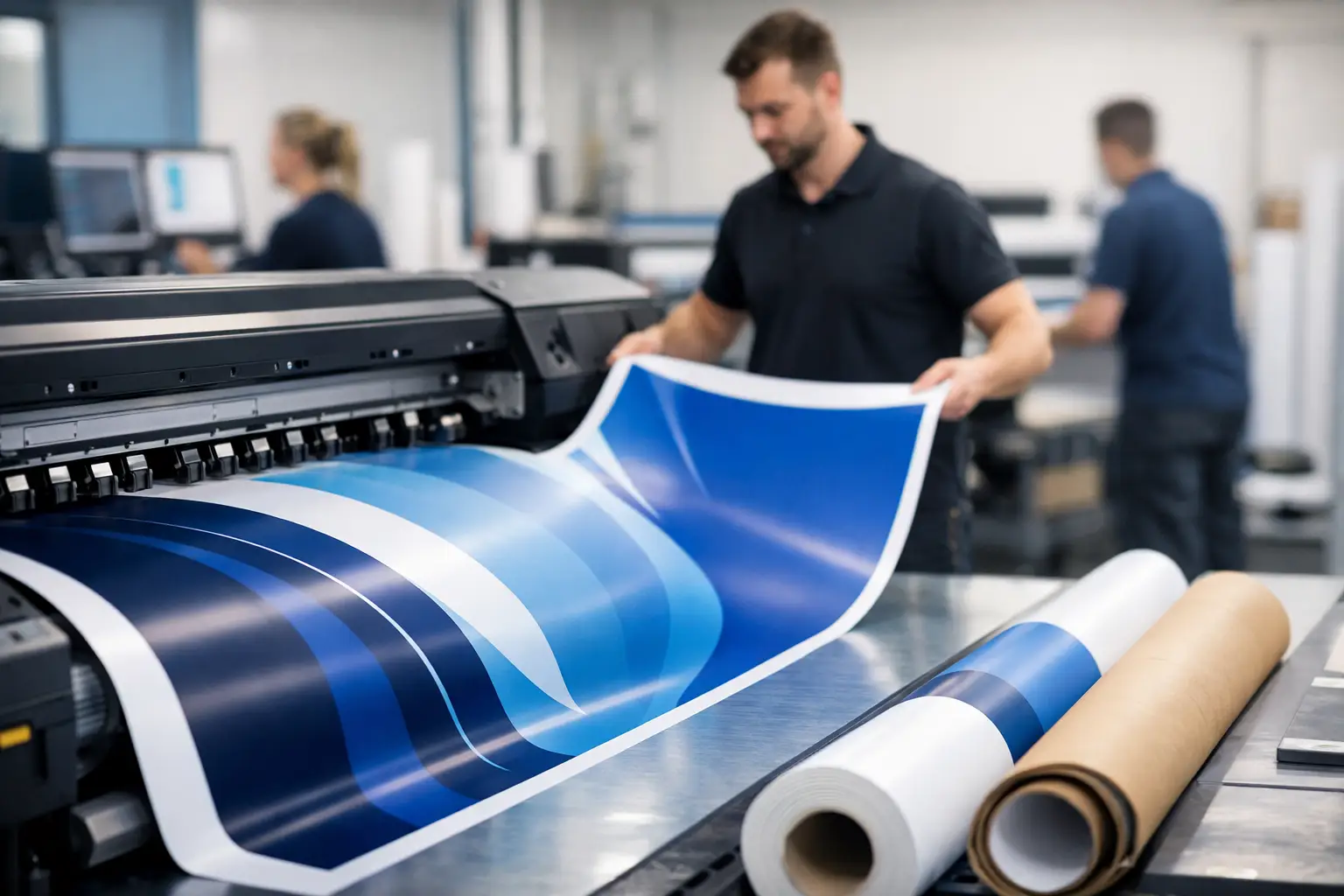
A banner is often the last job on the list and the first thing people see. Whether you are opening a shop, marking out a building site, filling an exhibition stand or promoting a weekend event, fast banner printing UK services need to do more than move quickly. The finished banner must look sharp, arrive when promised and stand up to where it will actually be used.
A rushed order does not have to mean a compromised one. The difference lies in choosing the right banner material, supplying print-ready artwork and allowing enough time for production and delivery. Get those three parts right and a 24 to 48-hour turnaround can still produce signage that looks properly planned.
When fast banner printing in the UK makes sense
Urgent banner printing is not only for emergencies. It is a practical choice whenever a campaign date is fixed and visibility matters. Retailers use banners for sales launches and seasonal promotions. Event teams need branded backdrops, sponsor displays and directional signage before doors open. Tradespeople and construction firms need clear, weatherproof site messaging that can be installed without delay.
It also helps when plans change. A venue may alter its entrance, an exhibitor may secure a stand at short notice, or a promotion may need a stronger street-facing message than a poster can provide. In each case, a custom banner gives you large-format impact without the lead time associated with permanent signage.
Speed works best when the job is straightforward: a clear message, a confirmed size, suitable artwork and a delivery address that can receive the parcel. If you need design changes, unusually complex finishing or a very large quantity, build in more time where possible. Fast turnaround is reliable when every production detail is agreed early.
Choose a banner material for the location
The best banner is not always the heaviest or cheapest option. It is the one that suits the setting, viewing distance and installation method.
PVC vinyl for bold everyday promotion
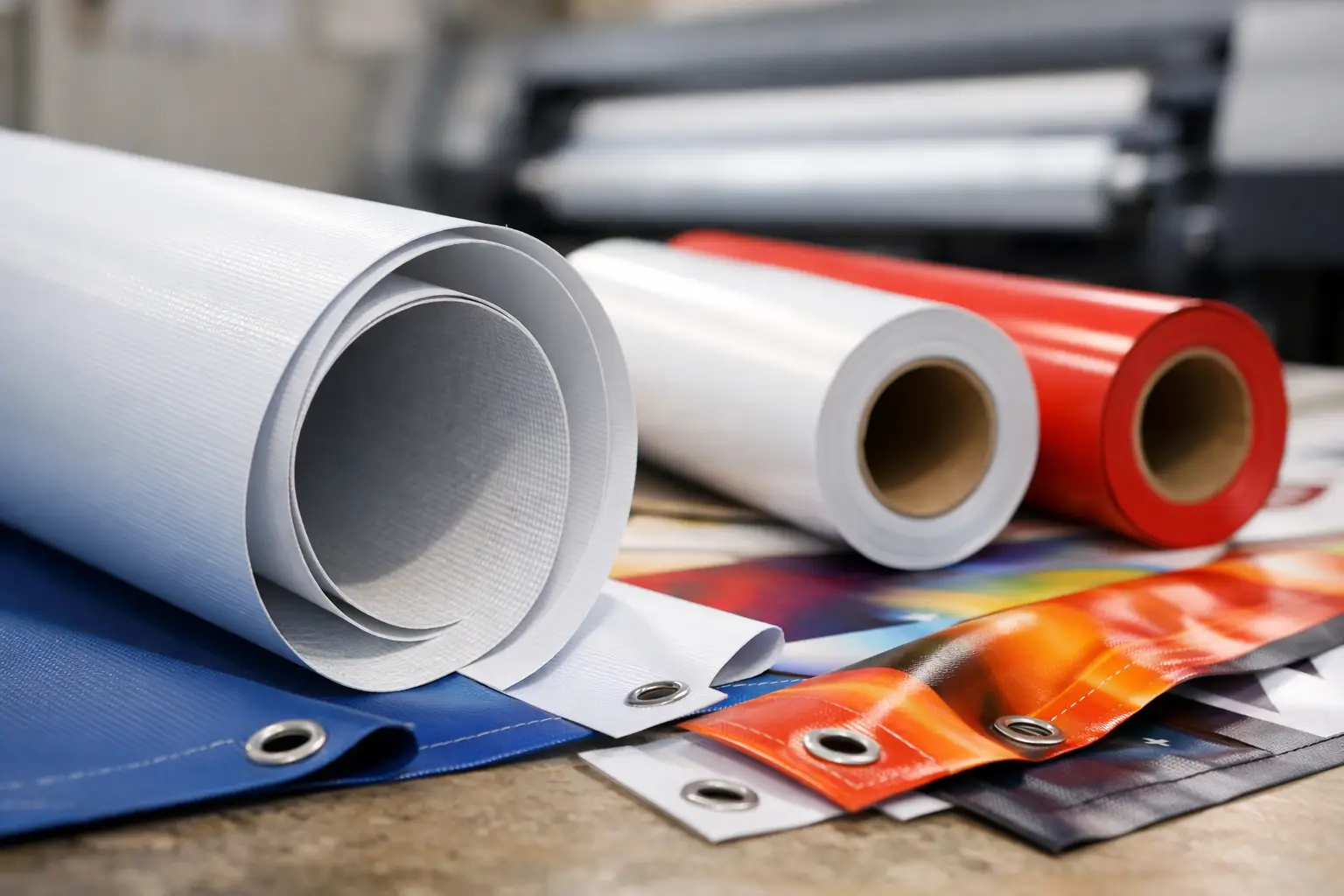
PVC vinyl banners are a dependable choice for shopfronts, events, sales promotions and general outdoor advertising. The material produces strong colour, crisp text and a solid printed surface, making it particularly effective for logos, product images and short calls to action. With weatherproof, UV-resistant printing and reinforced eyelets, vinyl is built for practical outdoor use.
For most promotions, the key question is not whether vinyl is suitable but what size will be readable. A banner viewed from across a car park needs larger lettering than one used inside a reception area. Keep the main message short and allow the biggest visual elements to do the work.
Mesh banners for windy sites
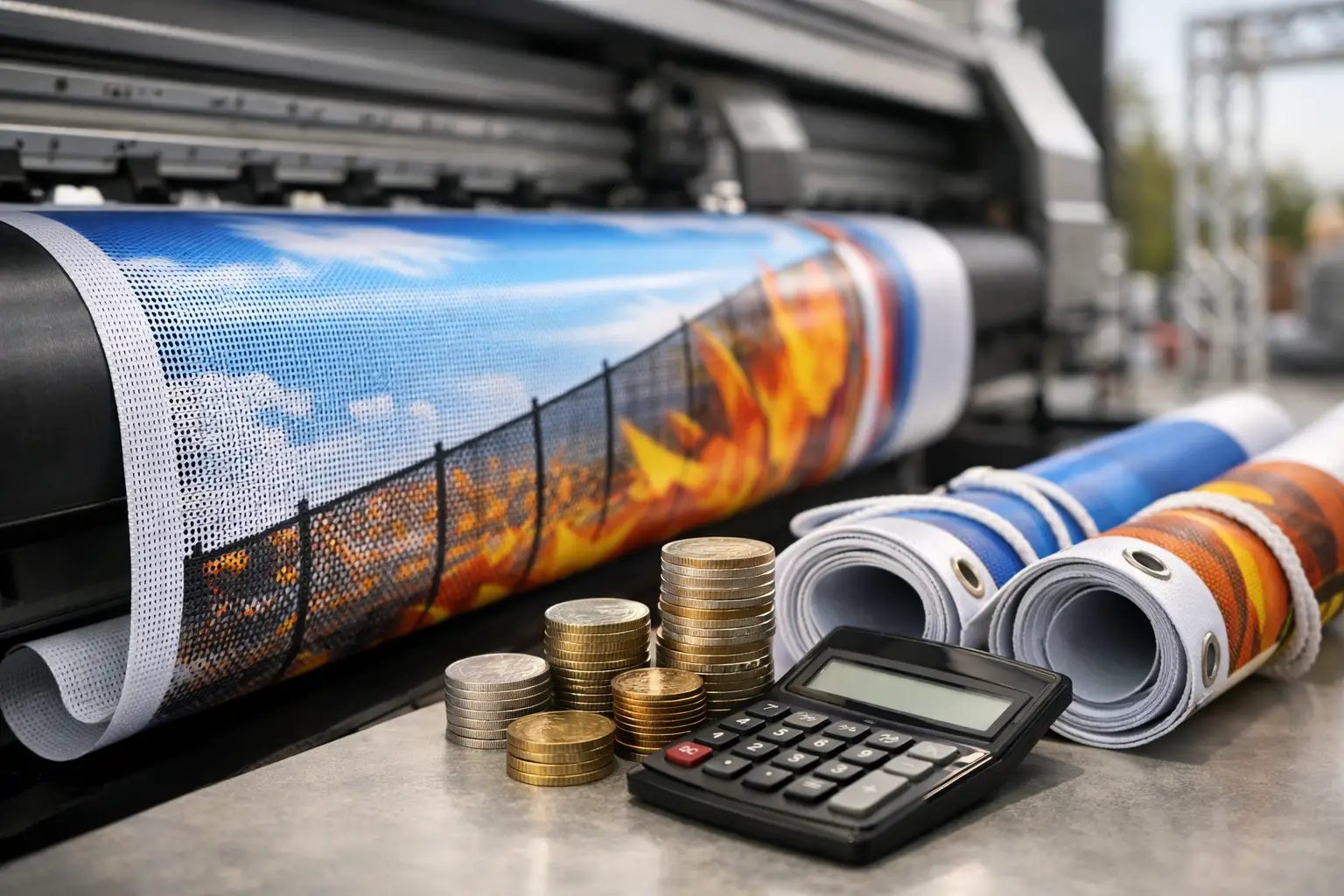
Mesh banners are designed with tiny perforations that let air pass through the material. That makes them a sensible choice for fencing, scaffolding and exposed outdoor locations where a solid banner could catch the wind.
There is a trade-off. Because the surface is perforated, colours can appear slightly less dense than on standard PVC when viewed up close. From normal viewing distance, the message remains clear, and the improved wind performance is usually the more important consideration for site hoardings and perimeter fencing.
Roller banners and backdrops for indoor displays
For exhibitions, presentations, conferences and retail interiors, portable display products can be more useful than an eyeleted banner. Roller banners set up quickly, pack away neatly and give your team a professional branded presence without needing walls, frames or fixings. Printed backdrops are ideal where photography, press coverage or a consistent stage background is part of the plan.
If the display will travel between venues, prioritise portability and a protective carry case. If it will remain in one place for a campaign, a larger PVC banner may offer better coverage for the budget.
Artwork that keeps production moving
Artwork is where many urgent print orders gain or lose time. A printer can work quickly only when the file is clear, correctly sized and ready to send to production. Supplying finished artwork is the fastest route, but it still needs a few checks before upload.
Use a high-resolution PDF where possible, with images at a suitable quality for the final banner size. Keep important text, logos and contact details away from the edges, especially where eyelets, hems or finishing may sit. If your banner will be viewed at distance, do not rely on small type or fine lines to carry the message.
For brand colours, use artwork prepared for print rather than assuming a screen preview will match the finished result exactly. Screens are backlit and can make colours look brighter than printed ink on material. A reliable print partner can review artwork and flag obvious issues, but last-minute amendments may affect dispatch times. Sending the best file first time protects your deadline.
A simple layout nearly always performs better outdoors: one clear headline, a recognisable logo, a short supporting message and a direct way to respond. Phone numbers, web addresses and QR codes can be useful, but only when they remain large enough to scan or read from the expected distance.
Size, finishing and installation are part of the order
Ordering the print is only half the job. Before choosing dimensions, measure the available space and think about how the banner will be secured. A banner that is too small disappears into its surroundings. One that is too large can be difficult to tension safely or may cover important features such as windows, entrances or safety notices.
Eyelets are the standard practical option for hanging banners from fencing, railings or walls. Use suitable ties, bungee cords or fixings, and avoid pulling the material so tightly that it strains around the eyelets. For outdoor banners, a little controlled movement is preferable to excessive tension in gusty conditions.
Check the viewing angle as well. A banner positioned above a doorway may need larger text than one mounted at eye level. A roadside banner needs a message that can be understood in seconds. An exhibition banner can support more detail because visitors have time to stop and read.
Plan delivery around the real deadline
A fast production service is valuable, but the date that matters is when the banner must be in your hands, installed and ready for people to see. Work backwards from the event, opening or promotion start time. Allow for dispatch, delivery, someone being available to accept the parcel and installation at the location.
This matters especially for venues, building sites and busy retail premises. Deliveries can be delayed if a driver cannot access the site or if the parcel arrives after a receiving desk has closed. Use a complete delivery address, include useful site information where needed and order early enough to leave a small margin before installation.
For repeat campaigns, keep approved artwork and dimensions on file. Ordering becomes faster when your logo placement, brand colours and preferred finishes are already established. It also helps create consistency across banners, posters, flyers, stickers and other promotional print.
Make the banner earn its space
Large-format print should have a clear job. It might bring footfall into a shop, identify a contractor on site, direct guests to an entrance or make a stand recognisable from the other side of an exhibition hall. If the message cannot be understood quickly, more text will rarely fix it.
Before approving artwork, ask one practical question: what should someone do after seeing this? Visit, call, enter, book, browse or simply remember the name? Build the design around that action. The result is a banner that is not merely fast to print, but useful from the moment it goes up.
When the deadline is close, keep the decision-making simple: choose the material for the setting, send clean artwork and arrange delivery with time to install. That is how urgent print still arrives looking like a confident part of your business.