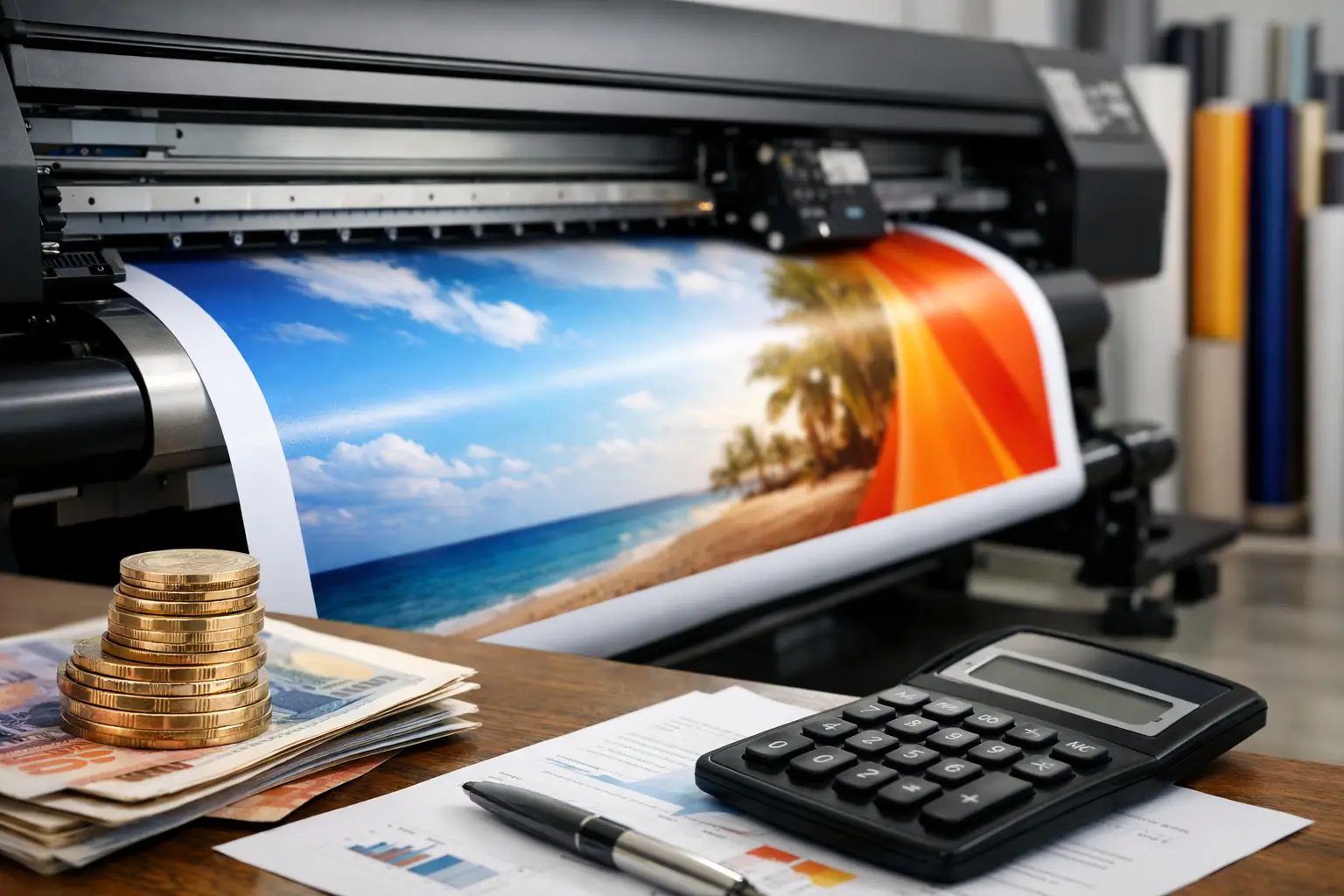
A banner that arrives late, fades after a week or goes straight into the skip is not good value – whatever the original price. Sustainable printing is about making smarter production choices so your marketing materials stay useful for longer, create less avoidable waste and still deliver the visibility your business needs.
For UK businesses working to tight event dates, promotions and site deadlines, the practical answer is rarely to stop printing altogether. It is to order the right product, in the right quantity, for the right job. A durable outdoor banner, a reusable roller banner or a correctly sized poster can reduce repeat orders while keeping your brand looking sharp.
What sustainable printing means in practice
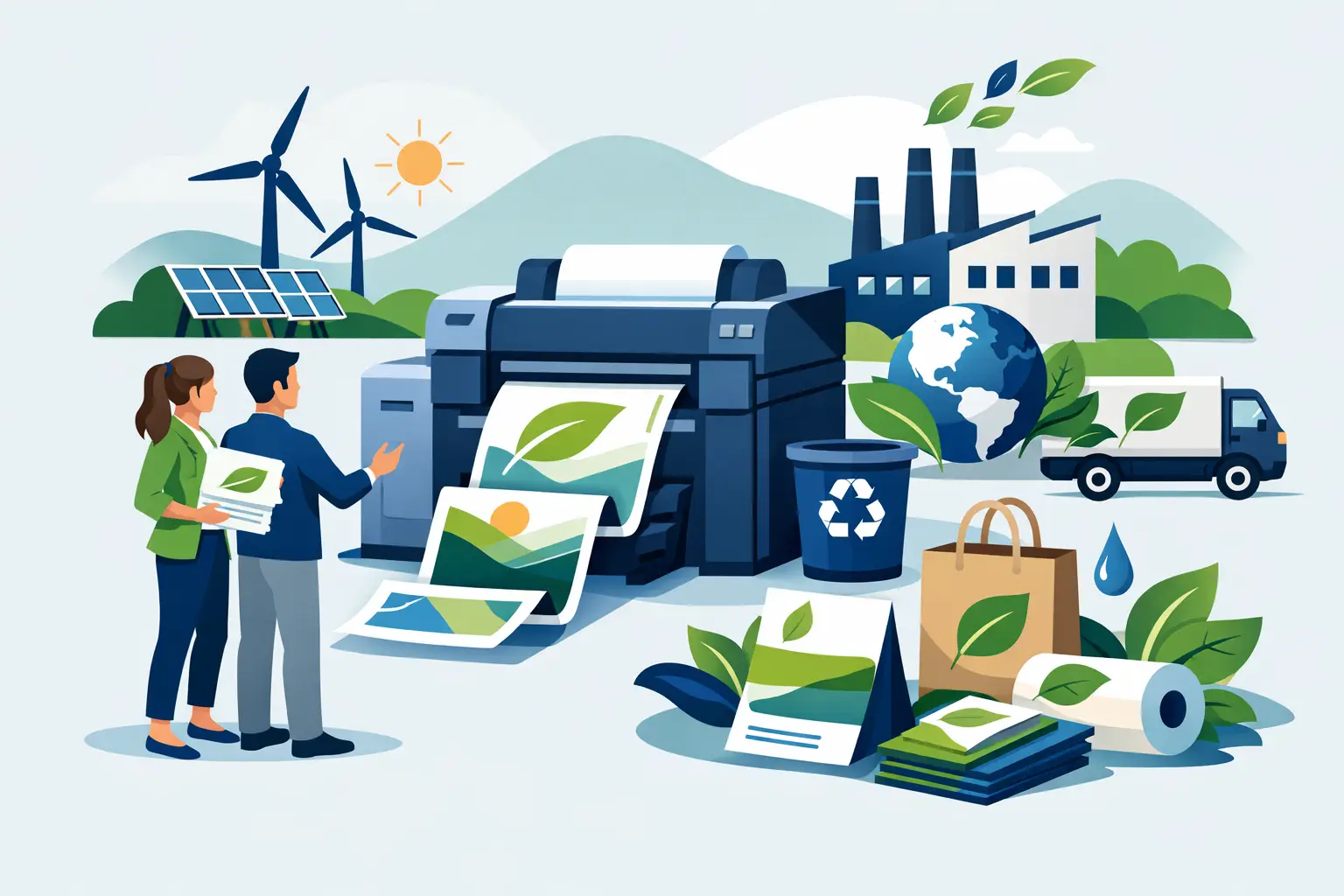
Sustainable printing is not a single material or a green label added at the end of a job. It considers the full life of a printed item: how much material is used, whether the product is designed for repeated use, how far it travels, how it performs, and what happens when it is no longer needed.
For a retailer, that might mean choosing a set of reusable point-of-sale displays rather than producing new signage for every short promotion. For a construction firm, it could mean ordering weatherproof site banners that remain readable through rain, wind and UV exposure instead of replacing damaged signs halfway through a project. For an exhibition team, it may mean using portable display hardware with changeable graphics.
The most sustainable option depends on the application. Paper-based products can be a strong choice for short-term indoor campaigns, menus, leaflets and posters. For outdoor use, a more durable vinyl or mesh banner may have a lower practical impact than a less suitable alternative that needs replacing quickly. Longevity matters.
Start with a print brief that avoids waste
Waste often begins before production. Vague messaging, last-minute changes and over-ordering can leave businesses with boxes of unusable flyers or event graphics that no longer reflect the offer. A clear brief saves material, budget and time.
Before placing an order, confirm where the item will be used, how long it needs to last and what action you want people to take. A banner for a one-day charity event has different requirements from a shopfront display that will be in place for months. This affects the best material, finish, size and fixing method.
Artwork also deserves attention. Check dates, prices, contact details and QR codes before approval. Keep essential information away from hems, eyelets and trim areas, and use high-resolution logos and images. Getting the artwork right first time prevents costly reprints and helps keep fast turnaround genuinely efficient.
Quantity is another common pressure point. Ordering more may reduce the unit price, but only if every piece will be used. For a local flyer drop or changing campaign, a realistic quantity is often the better commercial decision. If you run the same promotion regularly, consider designs with an evergreen main message and a smaller changeable element, rather than replacing everything each time.
Choose materials for the job, not the trend
Material selection should be based on performance first. A display that fails early creates more waste than a product built for the conditions it faces.
Durable outdoor banners
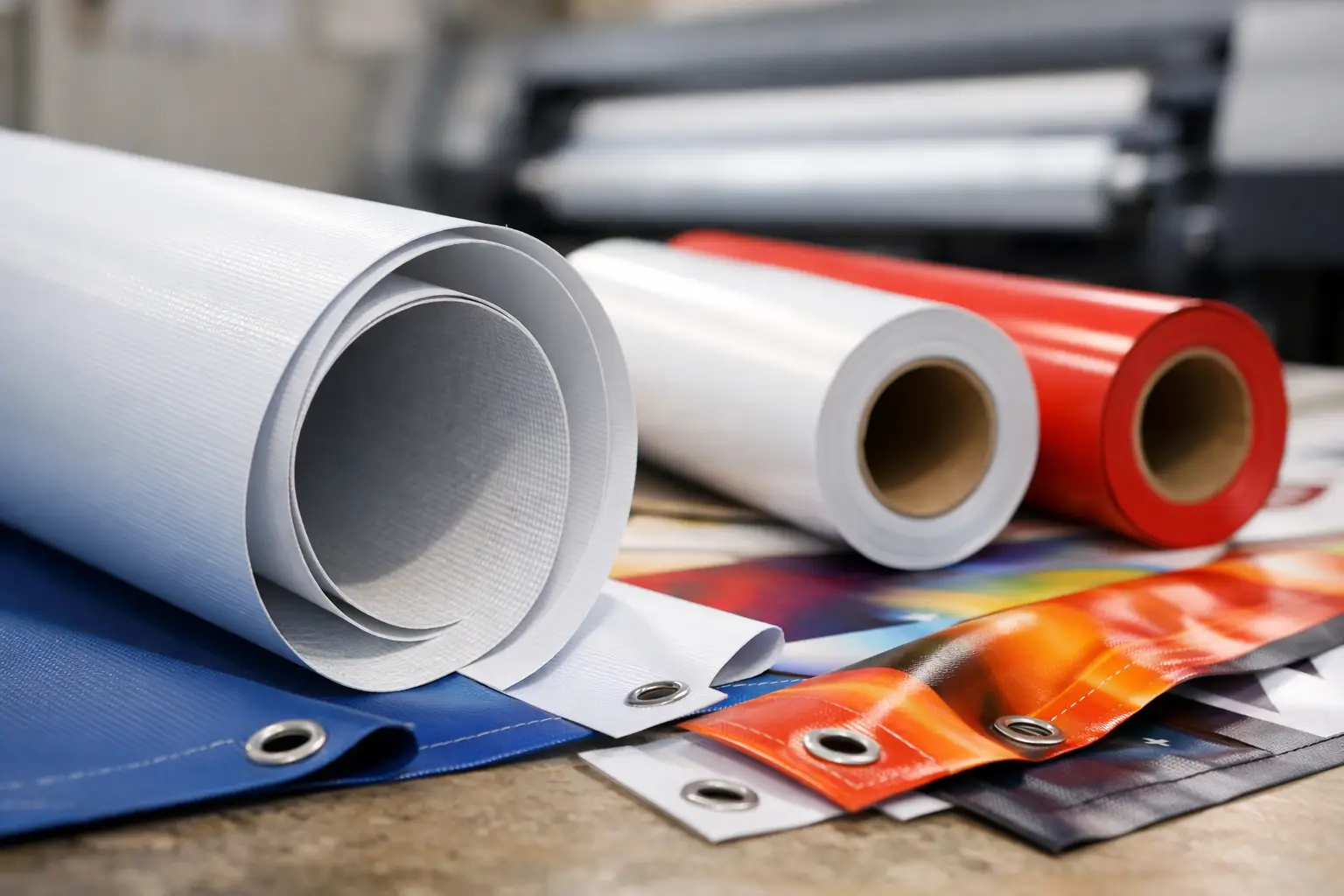
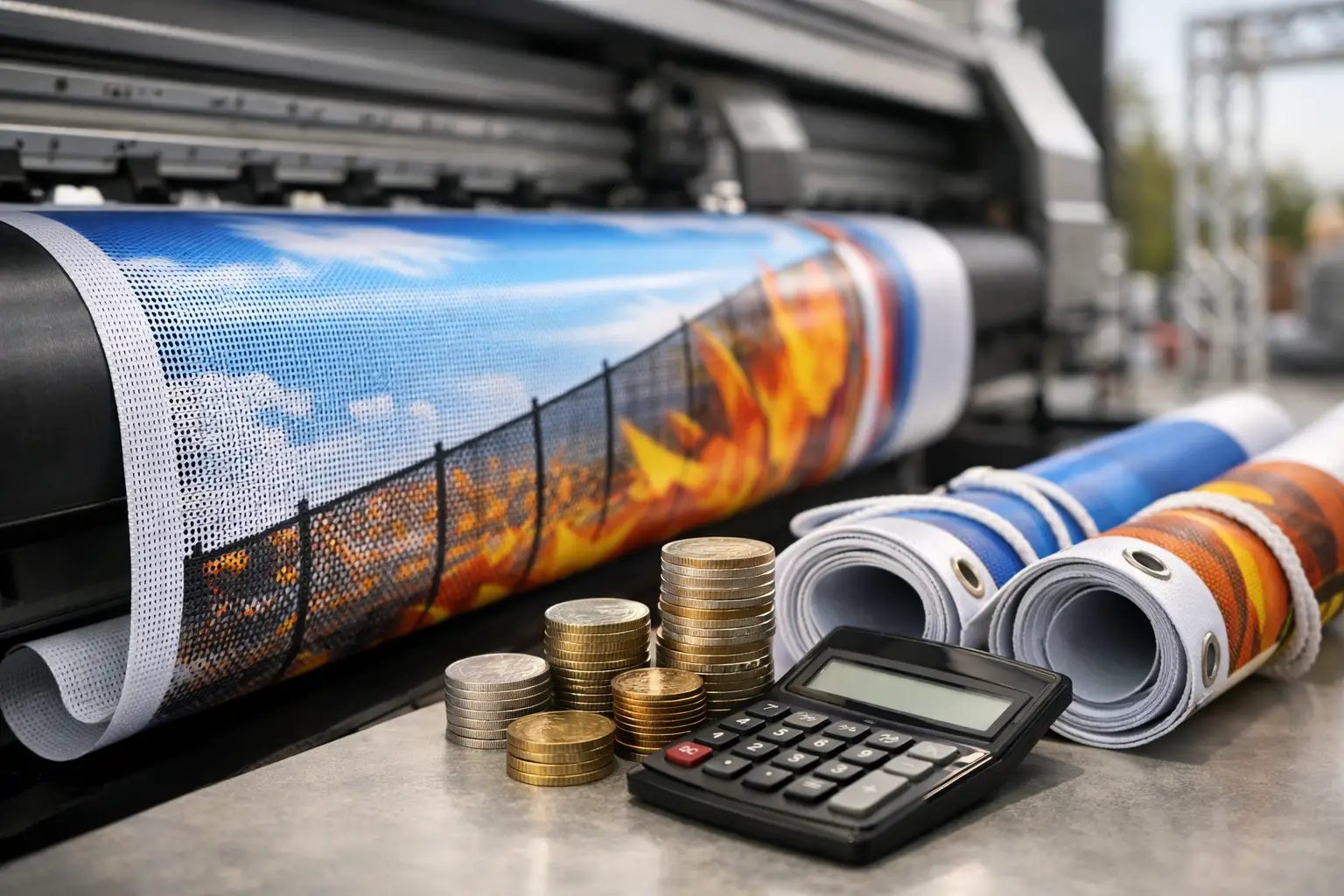
Vinyl banners are a dependable choice for promotions, sports events, building sites and shopfront advertising. Their weather resistance and strong colour reproduction make them suitable when visibility needs to last outdoors. If the banner will be exposed to wind, mesh banner material allows air to pass through it, helping to reduce strain on fencing and fixings.
The sustainable decision is to specify the correct size and material from the outset, then look after the banner while it is in use. Use suitable fixing points, avoid sharp edges that can tear the material, and remove it carefully when the campaign ends. A clean, undamaged banner may be usable again for future events, seasonal promotions or repeat locations.
Reusable exhibition displays
Roller banners and backdrops make sense for businesses that attend multiple trade shows, recruitment fairs, conferences or in-store demonstrations. The hardware is designed to travel and be used repeatedly, so it is worth investing in a design that will remain relevant beyond one date.
Keep the core message focused on your brand, service and contact details. Avoid printing a specific event date or short-lived offer across the main graphic unless the display is genuinely single-use. For campaigns that change frequently, modular displays or separate posters can be a more flexible route.
Paper products with a defined purpose
Posters, business cards, leaflets and stickers are still valuable tools when they have a clear role. A well-placed poster in a café window, a concise leaflet handed out at an open day or a durable sticker on packaging can generate attention without excessive volume.
Think about distribution before printing. Who will receive it? Where will it be displayed? For how long? If those questions do not have a straightforward answer, refine the campaign before committing to a large run. Better targeting usually means fewer printed pieces and stronger results.
Design for longer use and clearer results
A sustainable print campaign should work harder than a one-off announcement. Timeless design choices can extend the useful life of banners and display graphics, particularly for small businesses that return to the same events each year.
Use a strong logo, a simple message and a call to action that will not date quickly. “Call for a quote”, “Visit our showroom” or a general service message tends to last longer than a temporary discount code. If you need campaign-specific information, consider adding it through a smaller poster, sticker or interchangeable panel.
Colour choices matter too. High-contrast text is easier to read from a distance, which means a banner can often be smaller while remaining effective. That saves material without sacrificing impact. Avoid overcrowding the artwork with every service, product and social media handle. At outdoor viewing distance, clear hierarchy beats extra detail.
For trade and construction signage, durability and legibility should lead the design. Large type, straightforward safety information and sensible positioning reduce the chance that a sign will need replacing because it cannot be read from the intended distance.
Make reuse part of the campaign plan
Reuse is easiest when it is planned before the order is placed. Store banners dry, rolled rather than folded where possible, and away from direct heat or prolonged sunlight when they are not in use. Keep roller banner cases with the display so the hardware is protected between events.
Create a simple inventory for repeat marketing materials. It can be as basic as a list of what you own, where it is stored and when it was last used. This stops teams from ordering duplicates because an existing backdrop, banner or set of posters cannot be found.
If a design has reached the end of its marketing life, consider whether it can still serve a practical purpose. Plain reverse sides of some display materials may be useful for temporary protection or workshop tasks, depending on the material and condition. Where reuse is not appropriate, check local recycling guidance and specialist collection options, as acceptance varies significantly by material and local authority.
Balance speed, quality and sustainability
Fast turnaround does not have to mean careless printing. In fact, responsive UK-based production can help reduce the risk of speculative ordering, long shipping routes and emergency reprints. The key is to provide print-ready artwork, choose a product suited to the environment and order as early as the campaign allows.
There are trade-offs. A short-run poster campaign may be the right choice for a fast-changing retail offer, even if it is not designed for years of use. A heavy-duty outdoor banner may use more material than a lightweight indoor sign, but it can be the sensible option when wind and rain are part of the job. Sustainability is about making those decisions honestly, based on expected use rather than appearances.
At Banner Printing UK, fast production and dependable materials are built around real-world use – from weatherproof site banners to portable event displays. The strongest result comes when the product, artwork and deadline are all aligned before print begins.
A better standard for every print order
Sustainable printing is most effective when it becomes part of everyday purchasing rather than a special project. Ask how long the item needs to perform, whether it can be used again and whether every printed piece has a destination. Those three checks can prevent unnecessary waste while improving the quality of your campaign.
Print remains one of the most immediate ways to get a message seen in a shop, at an event or on a busy roadside. Choose it with purpose, look after it properly and give each banner, poster or display every chance to earn its place more than once.