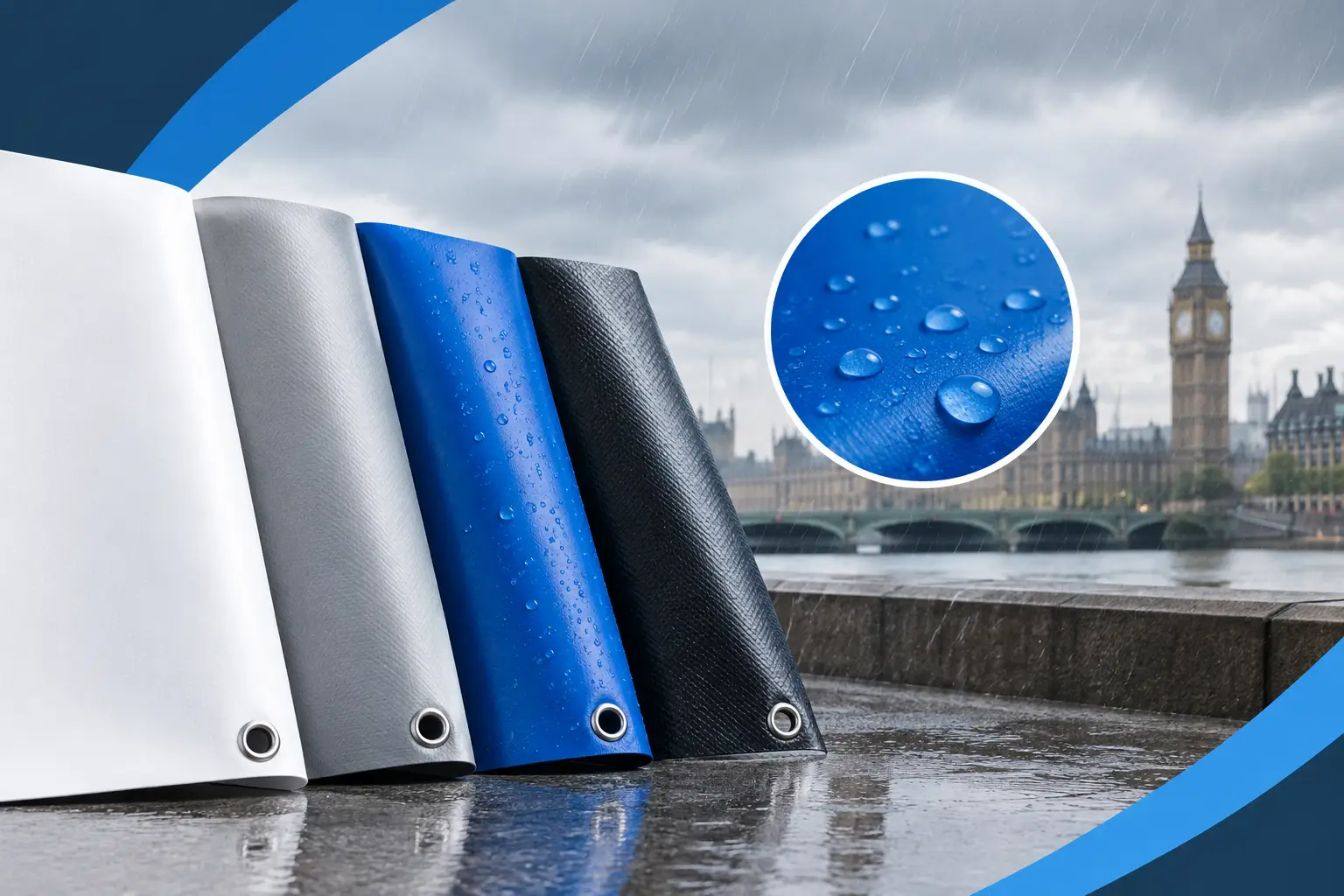
A wet forecast should not put a stop to a promotion, site sign or outdoor event. If you are asking which banner material resists rain, the dependable answer for most UK jobs is PVC vinyl. It has a waterproof surface, holds colour well outdoors and gives you a clear, solid printed message. The best choice still depends on where the banner will be fitted, how exposed the location is and how securely it can be fixed.
Rain is only one part of the equation. Wind, standing water, UV exposure and poor installation can all shorten a banner’s useful life. Choosing the right material before print helps your message stay visible, professional and on display for as long as you need it.
Which banner material resists rain most effectively?
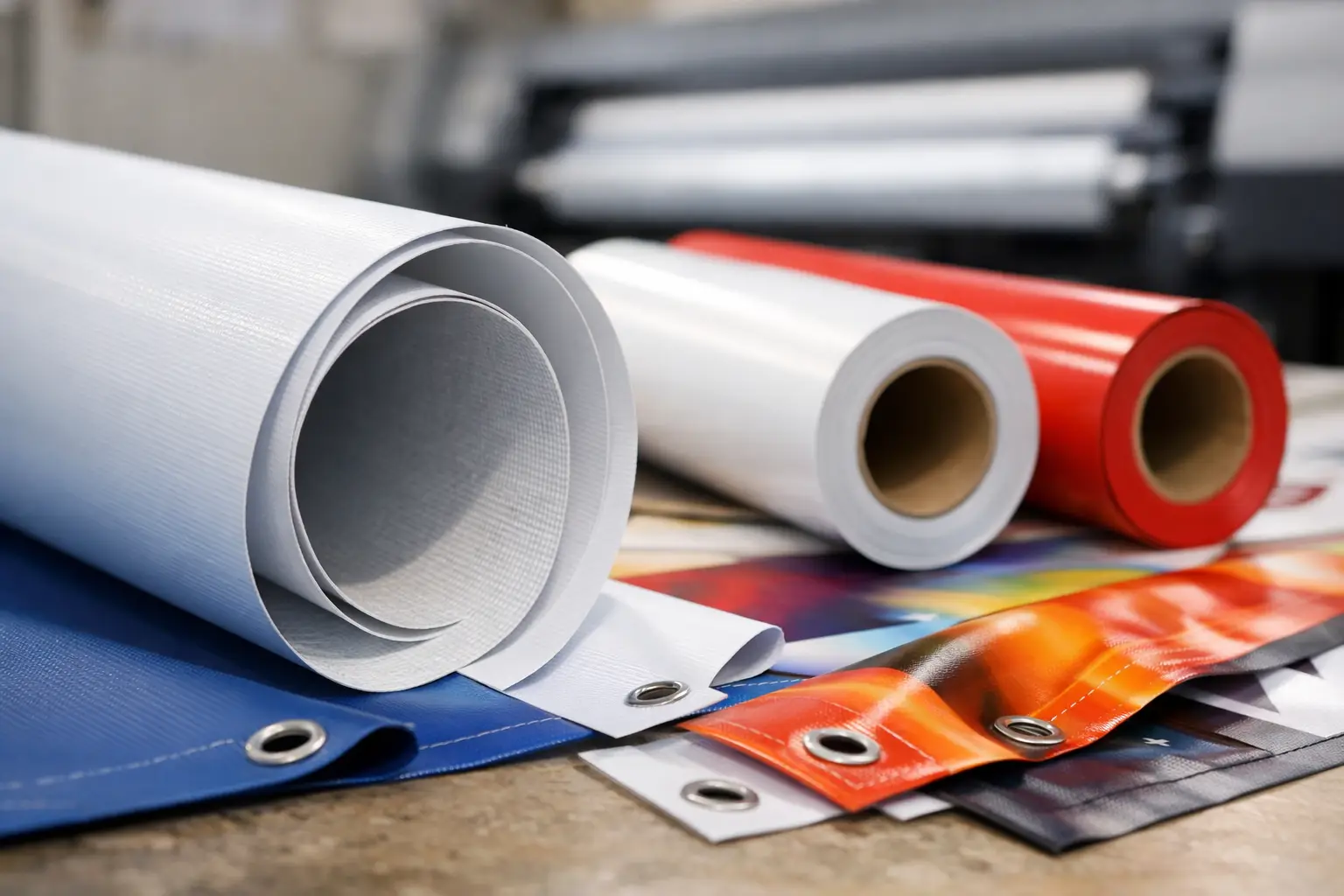
PVC vinyl is the standard choice for rain-resistant outdoor banners. It is a non-porous material, so rainwater sits on the surface rather than soaking through the print. A properly printed and finished vinyl banner will handle regular showers, wet conditions and occasional heavy rain without the artwork bleeding or the material turning soggy.
For shopfront promotions, school events, building sites, market stalls, sports clubs and temporary directional signage, solid PVC vinyl offers the strongest all-round result. It produces rich colour, sharp text and a smooth finish that is easy to wipe clean after mud splashes or road grime.
However, a banner can be waterproof and still fail in bad weather if wind catches it. This is where the location matters more than the rainfall itself.
PVC vinyl banners: the best all-round choice for rain
Solid PVC vinyl banners are made for practical outdoor advertising. Their main advantage is simple: they block water. Whether your message is up for a weekend sale or a longer-running construction project, the banner will not absorb rain like paper, fabric or untreated board.
The solid face also makes PVC vinyl the best option when print impact is the priority. Fine detail, logos, pricing and large photographs generally look cleaner on a solid material because there are no perforations in the print area. If your banner will be viewed close up, such as outside a café, estate agent, retail unit or reception entrance, that visual clarity matters.
For most temporary outdoor uses, a standard PVC banner is the no-fuss choice. It is portable, easy to roll for storage and suitable for cable ties, bungee cords or other secure fittings through reinforced eyelets. It is also effective indoors, so one banner can often support a launch, trade counter display and outdoor promotion without needing separate materials.
There are limits. In a very exposed position, particularly on open fencing or high scaffolding, a solid vinyl banner catches the wind. Repeated strain can pull at eyelets, stretch the material or damage the fixing points. That is not a rain problem, but it is a common reason outdoor banners need replacing early.
When mesh banner material is the smarter option
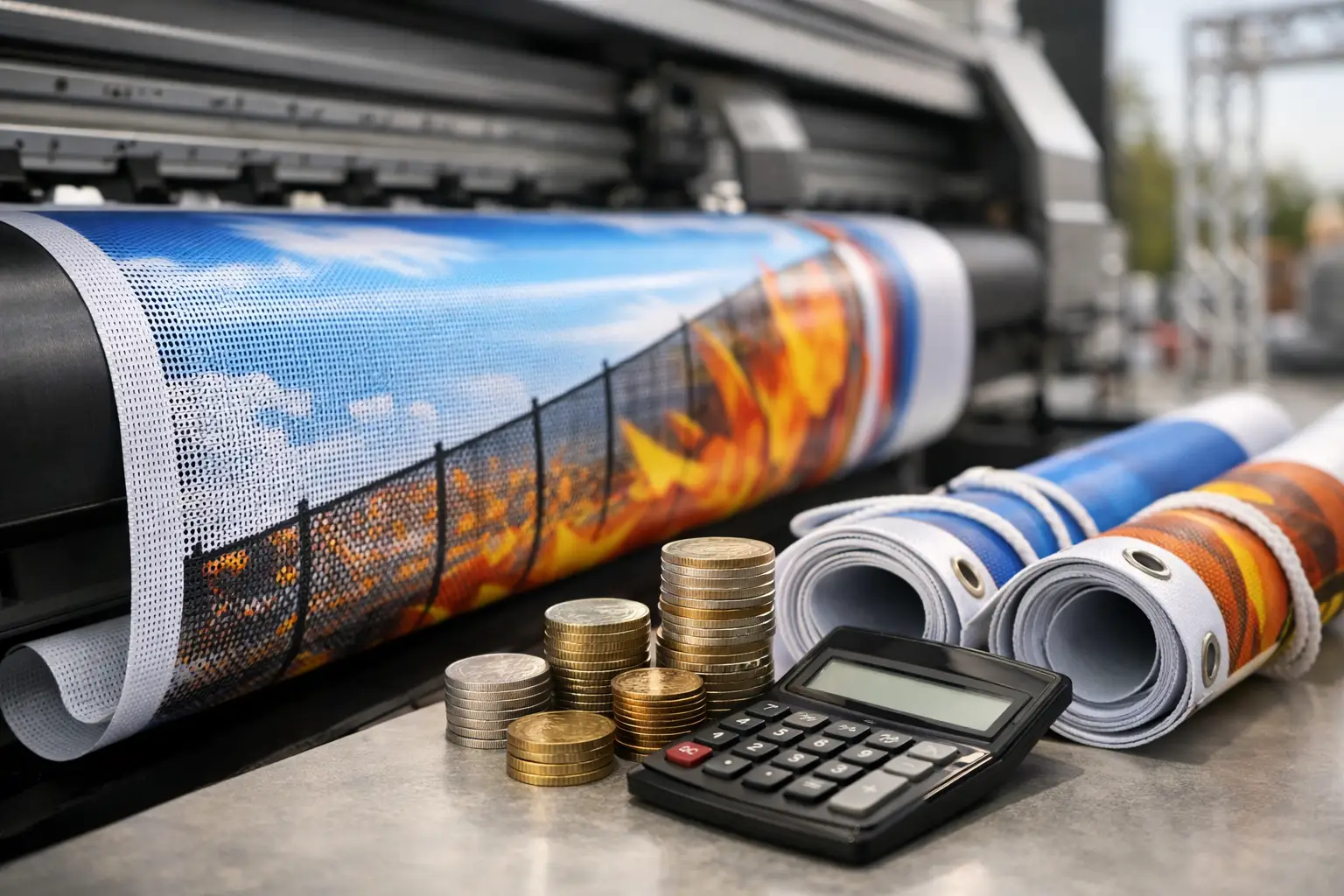
Mesh banners are also rain-resistant. Like standard vinyl, the material is suitable for wet weather, but it has tiny perforations that let air pass through. This reduces wind loading and makes mesh a stronger choice for exposed areas.
Choose mesh for perimeter fencing, scaffolding, railings, outdoor events, sports grounds and large site wraps where wind is likely to be a bigger challenge than rainfall. Rain passes over and through the material without damaging the print, while the perforations reduce the sail effect created by a solid banner.
There is a trade-off. Because mesh has holes, it does not give the same fully solid appearance as PVC vinyl when viewed at close range. The design remains clear from normal viewing distances, but small text and detailed images need careful artwork setup. Use bold type, strong contrast and simple graphics for the best result.
A mesh banner is not automatically better just because it is going outside. On a sheltered wall, a solid vinyl banner usually delivers brighter, more impactful graphics. On a windy fence line, mesh can protect your investment by reducing stress on both the banner and its fixings.
Rainproof does not mean indestructible
Both PVC vinyl and mesh are built to cope with rain, but neither should be treated as permanent signage in every condition. Constant friction against sharp railings, loose corners flapping in the wind and water pooling along a badly fitted banner can all cause avoidable wear.
For a short campaign, this is rarely a concern when the banner is correctly sized and tied down. For months of outdoor display, planning the installation is just as important as choosing the material. A quality print needs a quality fixing job.
Materials that are less suitable for wet weather
Paper posters and standard card signage are not designed for rain. Even a brief shower can soften the stock, wrinkle the surface and make colours appear dull. Laminated posters offer more protection, but they are not a replacement for a dedicated outdoor PVC banner in an exposed location.
Fabric display graphics can look excellent at exhibitions and indoor events, but suitability outdoors depends on the specific fabric and print method. Unless the product is clearly supplied as weather-resistant, keep fabric banners under cover. They can absorb moisture, take longer to dry and may not stay taut after repeated wetting.
Roller banners are designed mainly for indoor use. Their printed graphic may be durable, but the cassette mechanism and lightweight base are not intended for rain, wind or uneven outdoor surfaces. If you need a portable display for a covered entrance, use it with care and bring it inside once the weather turns.
Make a rain-resistant banner last longer
Material choice gives you the right starting point. Good finishing and fitting are what keep the banner working properly through a British spell of wind and rain.
A hemmed edge adds strength around the outside of the banner, while eyelets create reliable attachment points. For a larger banner, use enough eyelets to distribute the load rather than relying on the corners alone. Cable ties are convenient for a short installation, but bungee cords can provide useful flexibility where gusts are expected.
Keep the banner taut, but do not over-tighten it. A loose banner flaps and wears; an over-tightened banner places excessive pressure on the eyelets and edges. The aim is an even, secure fit with no sharp folds where water can collect.
Check the surface or structure before ordering. A banner fitted to a brick wall has very different demands from one fitted to temporary fencing. Measure the available area, identify where fixings can go and allow clearance around gates, lights, drains and access points. These details prevent rushed adjustments when the banner arrives.
If you are displaying a banner over several weeks, inspect it after severe weather. Replace broken ties promptly, clear any debris caught behind the material and make sure corners remain secure. A two-minute check can stop a small issue becoming a torn banner.
Choosing the right banner for your location
For a sheltered outdoor wall, a shopfront, event entrance or roadside promotion where strong print is the priority, choose solid PVC vinyl. It is waterproof, highly visible and suited to most business advertising requirements.
For open fencing, scaffolding, railings or large outdoor spaces exposed to regular wind, choose mesh. It resists rain while allowing airflow, making it the safer long-term option in demanding positions.
For an urgent campaign, avoid compromising on material simply because the forecast looks dry on installation day. UK weather can change quickly, and a banner designed for outdoor conditions gives you more confidence that your promotion will still look the part tomorrow. Banner Printing UK produces weatherproof banner options with fast turnaround, so you can order the format that suits the site rather than settling for what is easiest at the last minute.
Before sending artwork to print, think about where people will stand, what weather the banner will face and how it will be fixed. That small amount of planning leads to a clearer message, a cleaner installation and a banner that keeps working when the rain arrives.