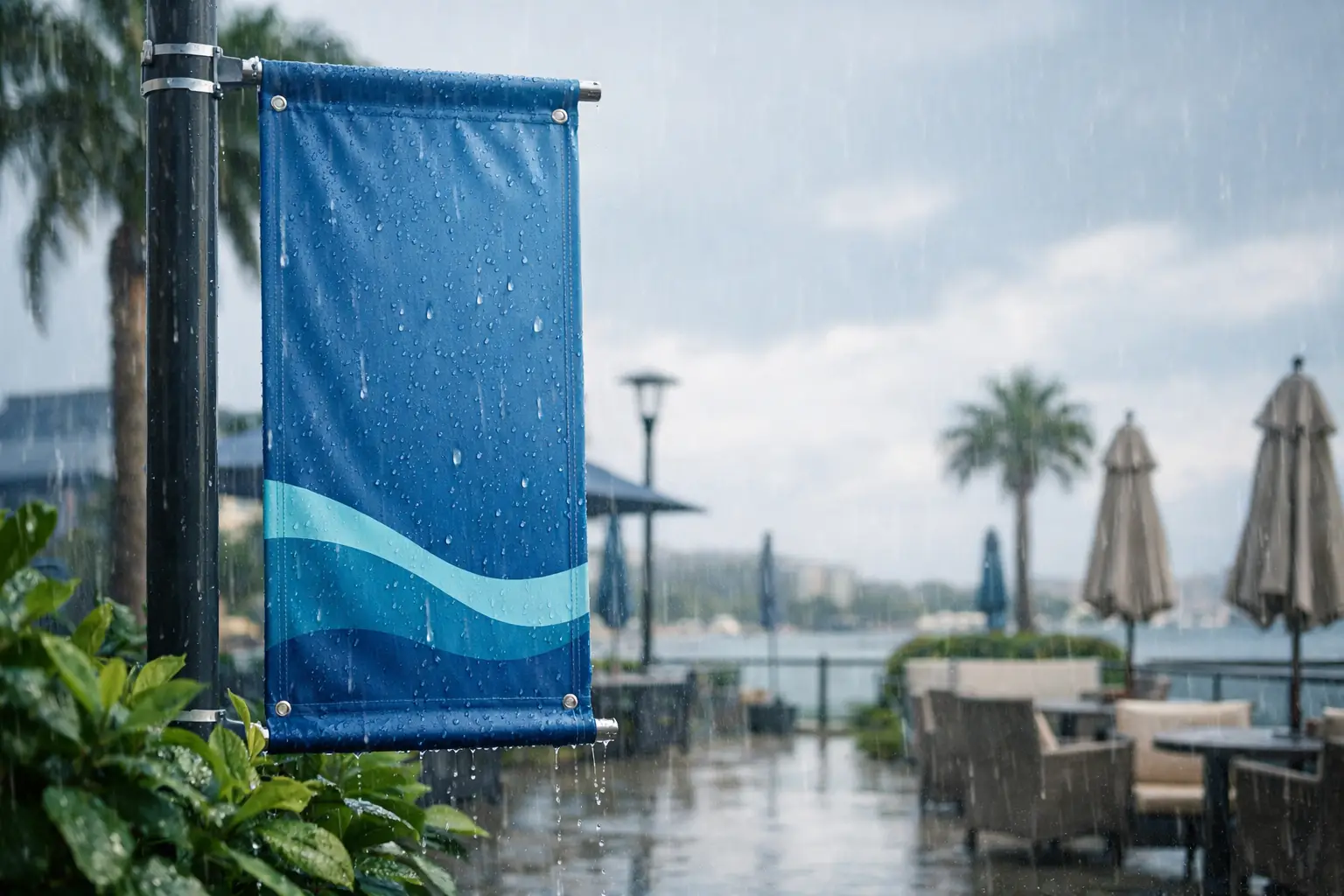
A banner can look excellent on screen and still fail outside by the end of its first wet, windy weekend. For businesses promoting a sale, managing a building site or directing visitors to an event, weatherproof outdoor banners need to do more than carry a logo. They need to stay readable, securely fitted and presentable when British weather changes by the hour.
The right choice comes down to where the banner will be used, how long it needs to remain in place and how much wind it will face. Material, finishing and installation all play a part. Get those details right before print, and your banner becomes dependable signage rather than a short-lived expense.
What makes outdoor banners weatherproof?
Weatherproofing is not a single feature. It is the combination of a suitable printed material, UV-resistant inks, reinforced edges and fixings that suit the location. A banner fitted to a sheltered shopfront has different demands from one tied to temporary fencing beside an exposed road.
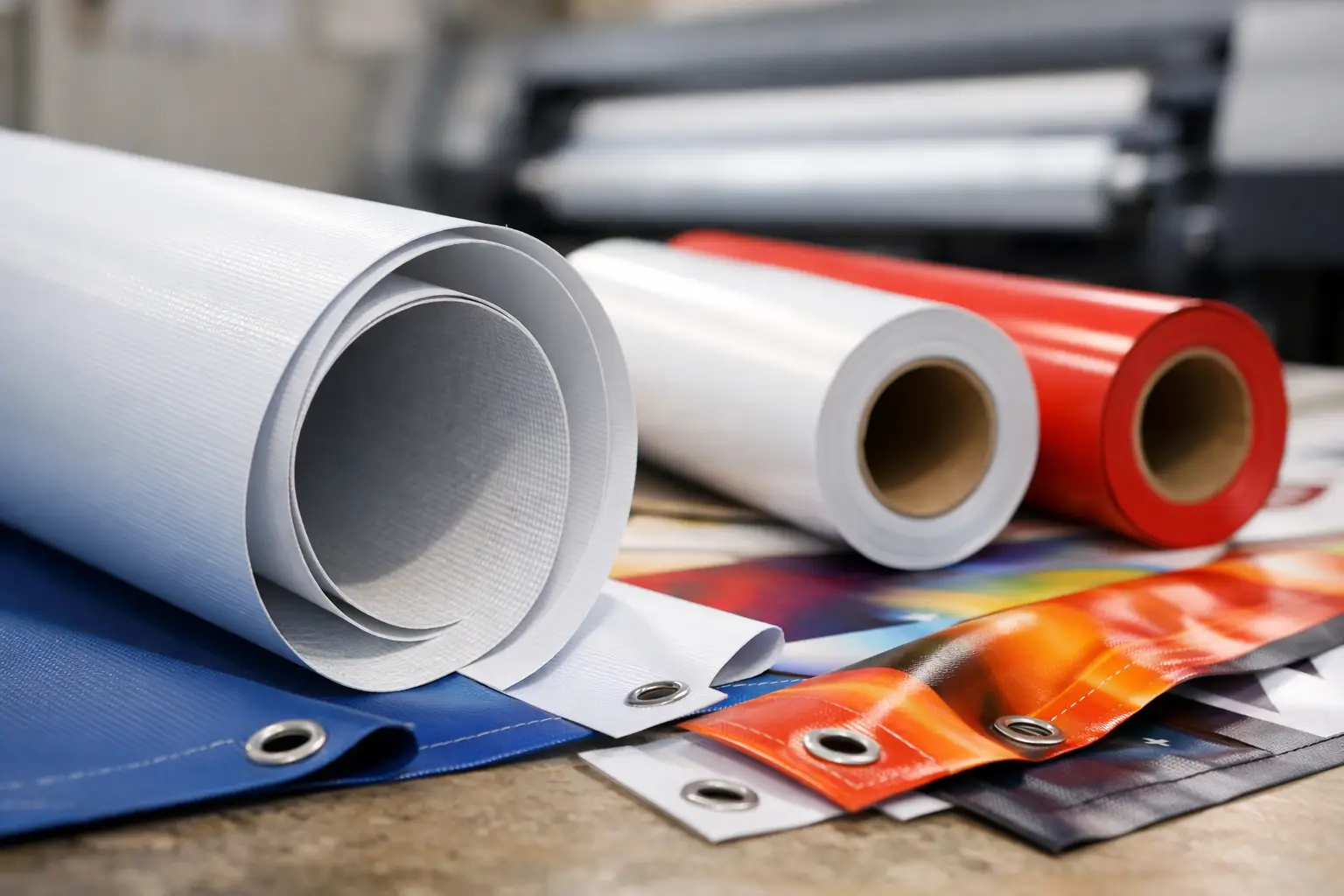
Quality vinyl is a popular choice for outdoor promotions because it is waterproof, durable and provides a solid background for bold artwork. It works well for retail offers, event branding, sports clubs, property advertising and short-to-medium-term site signage. The smooth surface gives colours, photographs and large lettering a clean, high-impact finish.
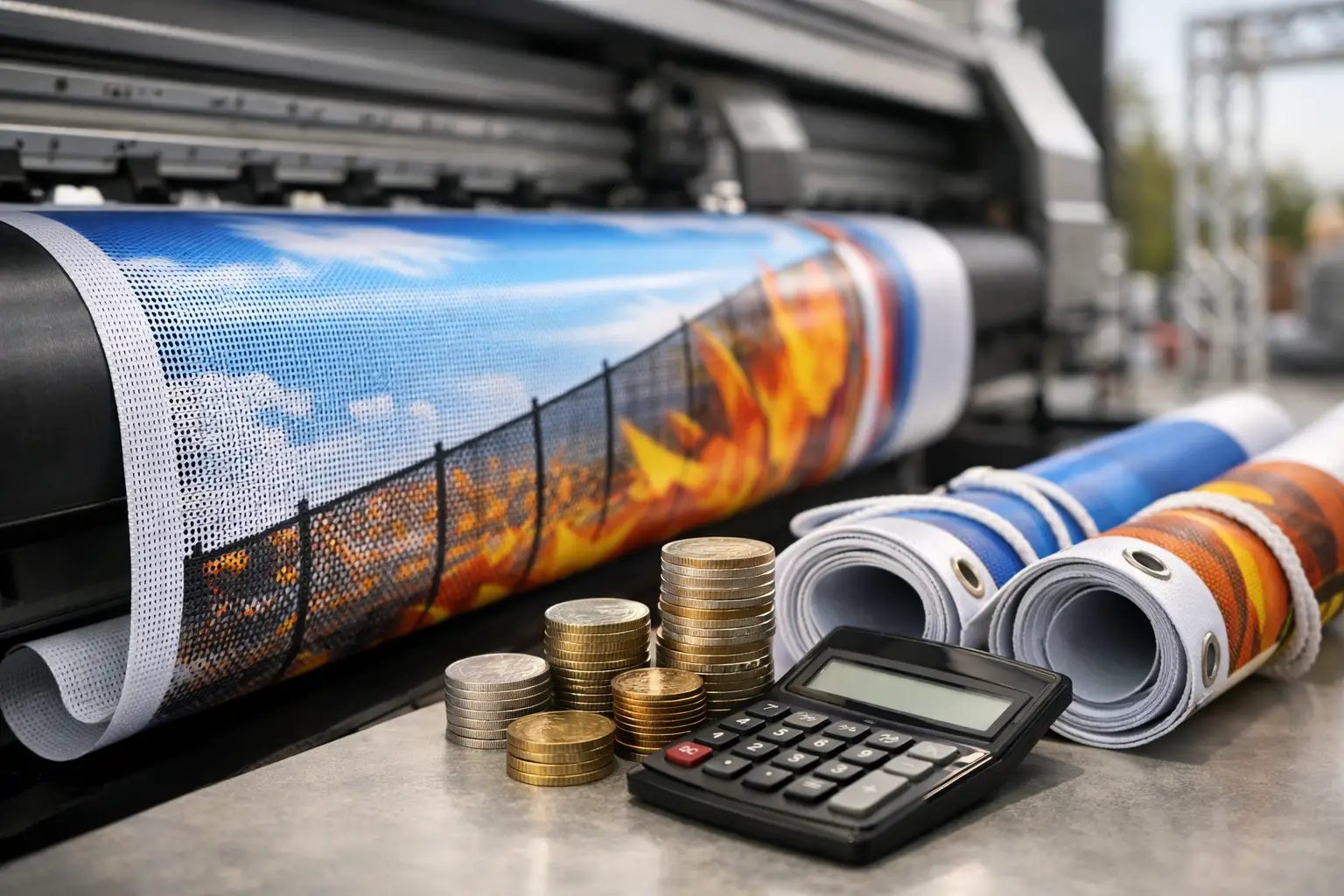
For locations that regularly catch the wind, mesh is often the better practical decision. Small perforations allow air to pass through the material, reducing the force pulling at the banner and its fixings. The print remains clear at normal viewing distance, although it will not have the fully solid look of standard vinyl. That is a worthwhile trade-off when wind resistance matters more than close-up photographic detail.
UV-resistant printing also matters. Rain is usually the first concern, but sunlight can fade poor-quality outdoor print over time. High-quality inks help colours hold their strength, so a red sale graphic, blue trade logo or black directional text does not quickly lose its impact.
Choose the material for the location
Start with the environment, not just the design. Think about exposure, viewing distance and installation surface before choosing a banner size or finish.
PVC vinyl for bold, solid displays
PVC vinyl banners suit most everyday outdoor campaigns. They are an effective option when you want a strong background colour, sharp text and a polished branded appearance. A café promoting outdoor seating, a retailer advertising a clearance event or a local business announcing new premises can all benefit from standard vinyl.
Vinyl is especially useful where the banner is reasonably sheltered or mounted flat against a wall, railings or hoarding. It is also a good choice for temporary campaigns where the banner needs to look professional straight away and remain in good condition through rain showers and normal outdoor use.
Mesh for exposed fencing and windy sites
Mesh banners are built for places where wind is the main challenge. Construction fencing, scaffolding, sports grounds, roadside barriers and open event sites are common examples. Because air can pass through the mesh, the banner places less strain on eyelets, cable ties and the structure holding it up.
That does not mean mesh is only for severe conditions. It can also be the sensible choice for a long run of fence branding, where a large solid vinyl banner could catch too much wind. Use clear, high-contrast artwork with larger text and simpler imagery to get the best result from the perforated surface.
Consider how long the banner needs to work
A weekend promotion and a six-month site project should not be approached in the same way. For a short campaign, standard vinyl with well-spaced eyelets may be all you need. For longer installations, pay closer attention to edge finishing, fixing points and the effect of constant wind or movement around the banner.
If your message will change frequently, consider ordering a practical size that can be reused for recurring promotions. A generic event banner, for example, can carry a long-term brand message while smaller posters or stickers handle changing dates and offers.
Finishing and fixings are where durability is won
A weatherproof material cannot compensate for a poor installation. Most outdoor banner problems start at the edges: loose corners, eyelets under too much pressure or a banner pulled tight in the wrong direction.
Hems strengthen the edge of the banner, helping it cope with repeated tension. Eyelets provide secure fixing points and should be positioned around the perimeter for an even hold. On a small banner in a sheltered spot, standard spacing may be enough. On a large banner, long fence run or exposed site, closer-spaced eyelets and stronger fixings make a real difference.
Use cable ties, bungee cords or suitable rope based on the surface and expected movement. Cable ties offer a firm, neat hold for railings and fencing, but they should not be pulled so tight that the material has no give. Bungee cords allow some flex in windy conditions, helping to reduce sudden strain on the banner and eyelets.
Avoid fixing a banner only at its corners. This concentrates pressure in four small areas and encourages flapping along the edges. Secure every eyelet where possible, keep the banner tensioned evenly and check that no sharp metal edges are rubbing against the material.
Design for real outdoor viewing
Outdoor banners are normally read quickly and from a distance. A driver passes a roadside banner in seconds. A shopper sees a shopfront offer while walking by. A visitor at an event needs clear directions without stopping to study the sign.
Keep the main message short. Your business name, offer, event title or directional instruction should be the first thing people see. Supporting information can sit beneath it, but do not make the banner do the job of a leaflet.
Strong contrast is essential. Dark lettering on a pale background or light lettering on a dark background tends to perform better than similar tones placed together. Fine type, pale colours and busy photographic backgrounds may look attractive on a laptop but lose clarity outdoors, particularly in low light or rain.
For banners viewed from a distance, scale matters more than clever detail. Increase headline size, give logos breathing room and use fewer words. If a phone number or website must appear, make sure it is large enough to read from the realistic viewing distance, not just when standing directly in front of the banner.
Before approving artwork, check image quality at the final print size. A small image taken from social media may look acceptable online but print soft or pixelated on a large banner. Supplying high-resolution artwork from the outset avoids delays and gives the finished print the professional standard your business needs.
Prepare for the British weather, not the ideal forecast
Rain will not damage a properly produced vinyl or mesh banner, but water can expose weaknesses in installation. Check banners after heavy weather, particularly in their first few days on display. Tighten or replace worn fixings before they become a problem, and make sure drainage is not blocked where a banner sits against a wall or fence.
Wind deserves the closest attention. If conditions are particularly exposed, mesh and flexible bungee fixings are often the safer route. If a severe weather warning is expected, temporary banners may need to be removed rather than left to take unnecessary strain. There is no material that makes an unsuitable installation risk-free.
Sunlight and dirt also affect appearance over time. A quick wipe with mild soapy water and a soft cloth can remove road grime, splashes and general outdoor build-up. Avoid harsh chemicals or abrasive cleaners, which may mark the printed surface. Allow the banner to dry fully before rolling it for storage.
Order with lead time, but do not compromise on the essentials
Urgent promotions happen. A new store opening moves forward, an event needs extra signage or a site requires updated safety messaging at short notice. Fast production is valuable, but the key details still need confirming: final size, material, eyelets, artwork and delivery date.
Banner Printing UK produces custom banners in the UK with fast turnaround options, helping businesses move quickly without settling for unclear print or unsuitable materials. When time is tight, a simple, well-prepared design and a clear brief make the ordering process faster and help avoid artwork revisions.
A weatherproof banner earns its place by staying visible when it matters. Choose the material for the site, finish it for the fixing method and keep the message simple enough to work from a distance. That gives your promotion the best chance of looking sharp long after the forecast has changed.