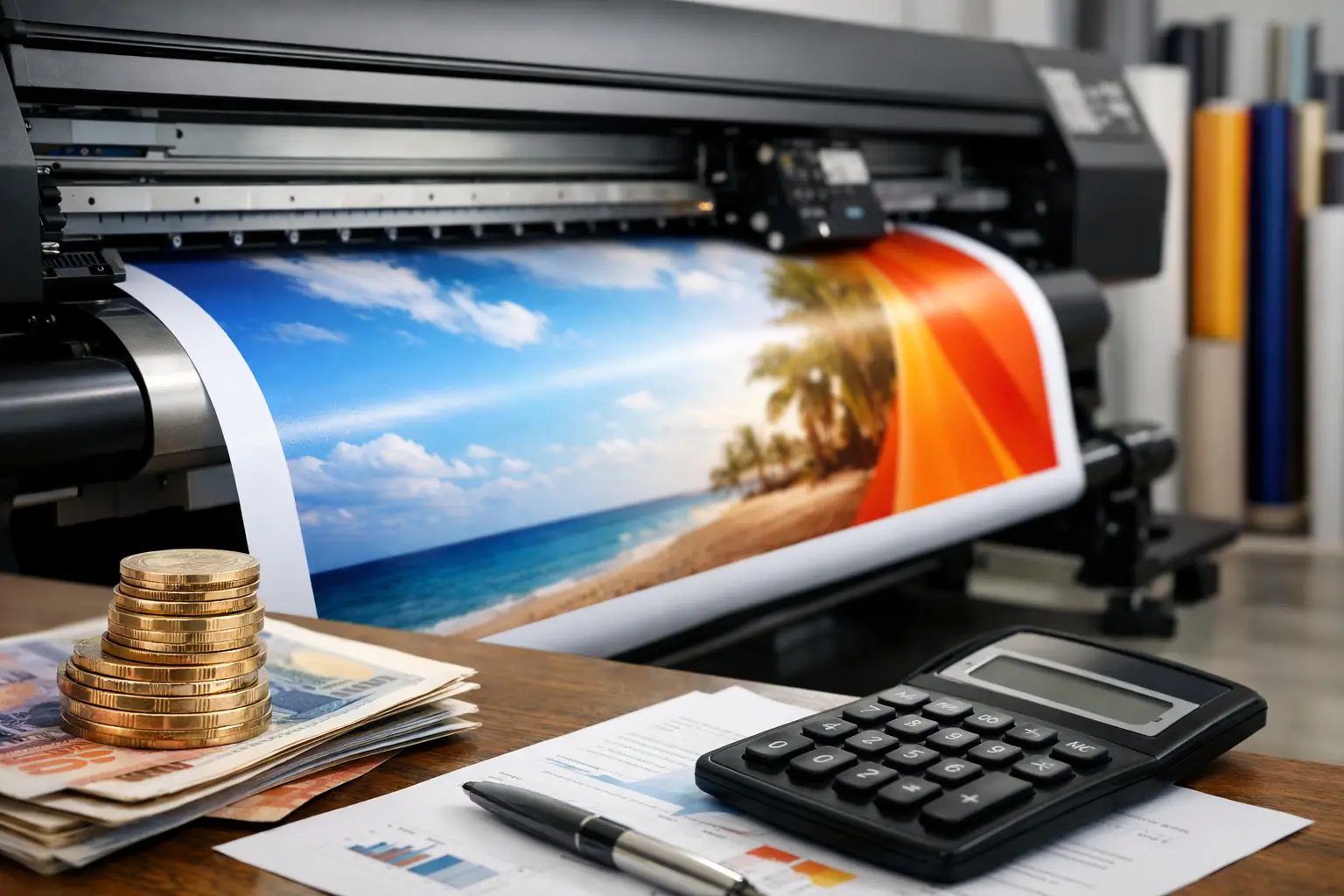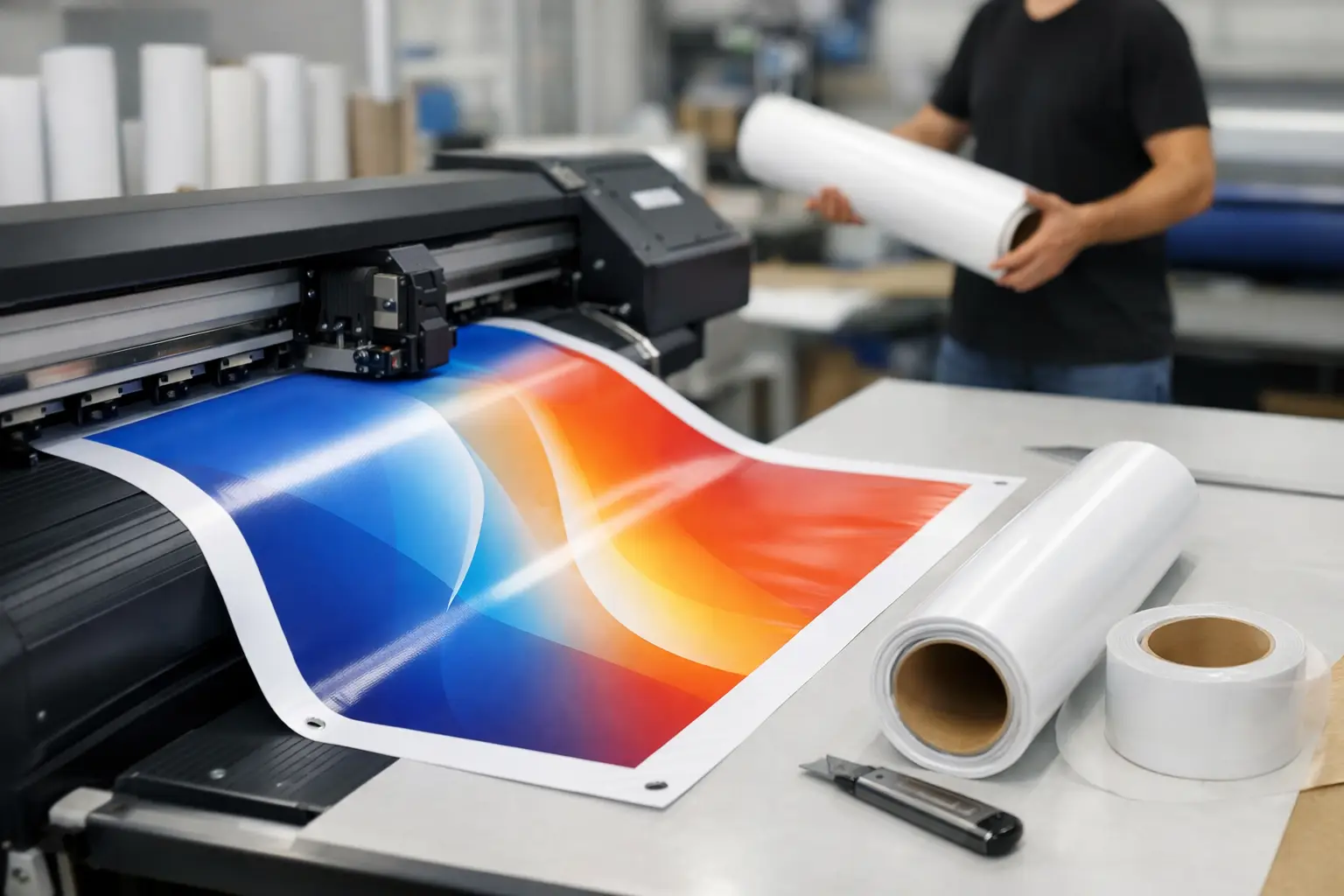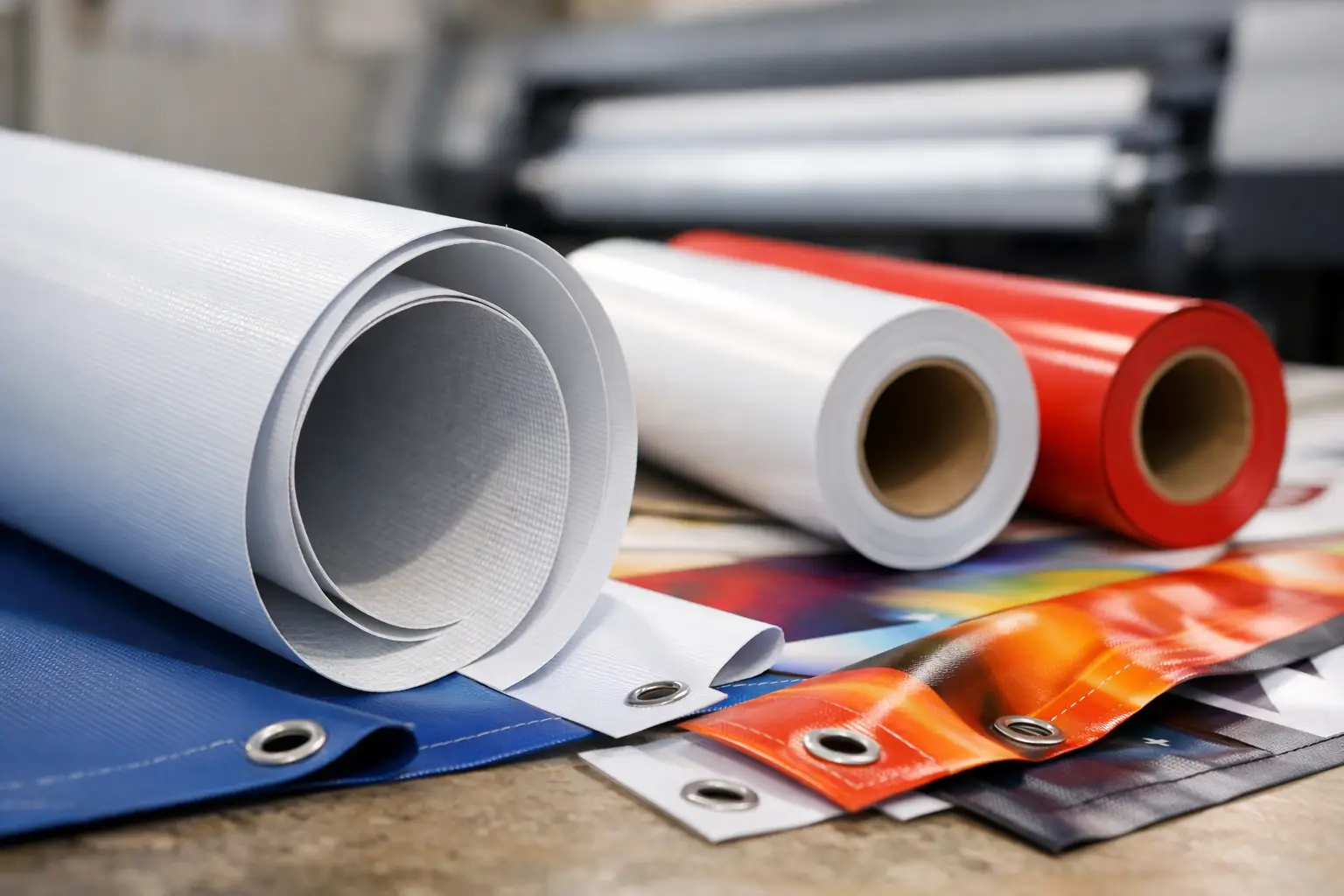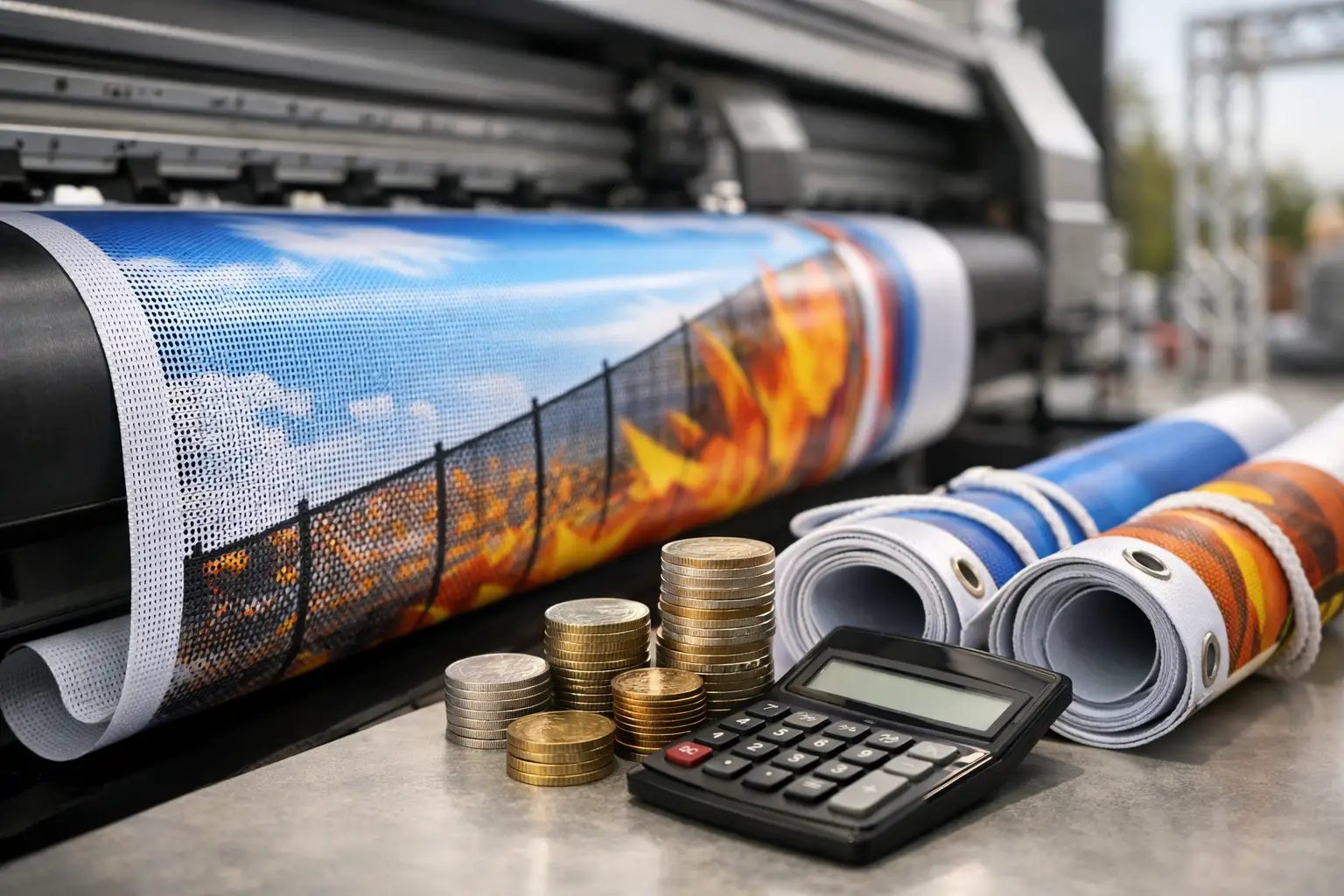
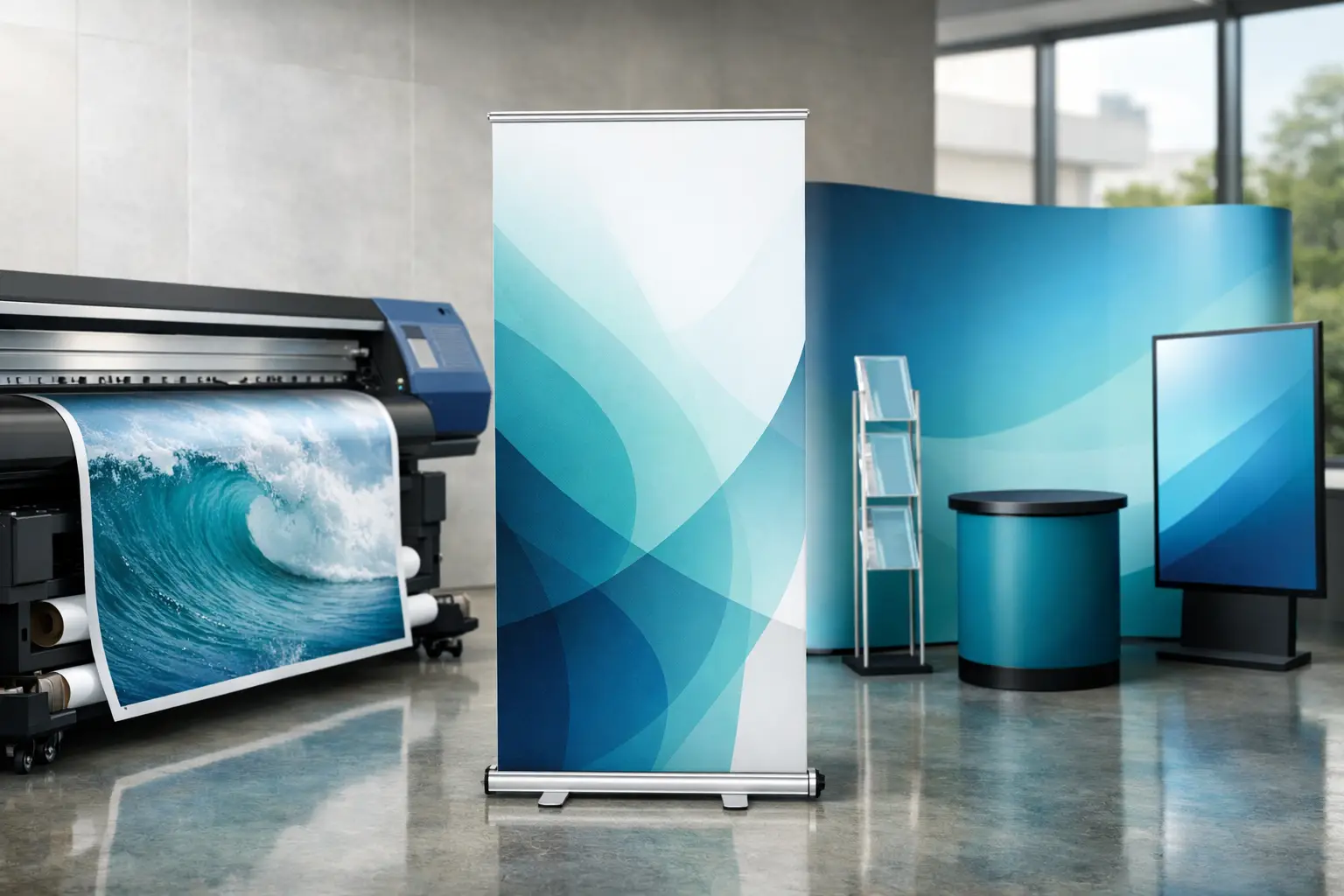
A last-minute promotion, an exhibition stand that needs to look sharp, a building site that needs clear signage – these jobs leave little room for compromise. Digital printing gives businesses a practical way to produce branded banners, posters, displays and promotional materials quickly, without sacrificing the colour, detail or durability that makes print work hard in public.
For UK businesses, the value is simple: order the quantity you need, personalise the design, and get professional print ready for delivery on a tight deadline. The right result still depends on choosing a suitable material, preparing artwork correctly and matching the product to where it will be used.
What digital printing means for your business
Digital printing transfers artwork directly from a digital file to the chosen print material. Unlike traditional processes that can require printing plates and longer set-up times, it is built for flexibility. That makes it particularly useful for short runs, personalised campaigns, event graphics and urgent replacement signage.
Need one roller banner for a conference next week? A set of weatherproof vinyl banners for a local promotion? Hundreds of flyers with a time-sensitive offer? Digital print is designed for this kind of work. It can reproduce full-colour graphics, photographs, logos, text and variable details efficiently, while allowing businesses to order only what they genuinely need.
This does not mean every product should be treated the same. A banner fixed to outdoor fencing faces very different conditions from an A5 leaflet handed out in a café. The material, finish and artwork setup need to support the job, not just look good on screen.
Where digital printing delivers the most value
Large-format print is one of the clearest examples. A well-designed banner can turn empty fence space, a shopfront or an exhibition wall into visible advertising. Digital print makes it possible to produce these graphics in strong, consistent colour, including detailed logos and campaign imagery that would be difficult to reproduce with basic signage methods.
Vinyl banners are a dependable choice for promotions, events, sales messages and site signage. They are designed for visibility and can be produced with hems and eyelets for straightforward installation. For exposed locations, durable inks and suitable banner material matter just as much as the design. UV-resistant print helps maintain a professional appearance when a banner is displayed outdoors over time.
Mesh banners suit windy locations, such as construction fencing, scaffolding and sports grounds. Their small perforations allow air to pass through, reducing wind resistance while keeping the printed message visible. The trade-off is that mesh has a more open finish than solid vinyl, so fine detail and very small text may not appear as crisp from close range. It is usually the right choice when practical performance outdoors matters more than a perfectly solid graphic surface.
Digital printing also supports portable display products. Roller banners are popular because they pack down into a carry case, set up quickly and give a business a clean, branded presence at exhibitions, receptions, training days and pop-up events. Backdrops provide a larger visual statement for product launches, press areas, photography and trade stands. In these settings, image quality and accurate brand colour are not cosmetic details – they shape how established and prepared your business appears.
Smaller printed products have an equally important role. Posters can promote a local offer at point of sale. Flyers can support door drops, launches and event handouts. Stickers add branding to packaging, windows, products and equipment. Business cards give a conversation a physical follow-up. Each item works best when it has one clear purpose and enough visual space for the key message to be read quickly.
Choosing the right material and finish
The cheapest option is not always the most cost-effective. A printed product that tears, fades prematurely or is difficult to install can create more cost and disruption than selecting the right specification at the start.
For outdoor banners, consider where and how long the print will be displayed. Standard PVC vinyl is a strong all-round option for many promotional uses. Mesh is more suitable for wind-exposed areas. If the banner will be mounted against a wall or inside a venue, a solid material will generally give better colour density and a smoother visual finish.
For indoor displays, portability and presentation take priority. A roller banner should be easy to assemble, stable when in use and protected during transport. A backdrop needs enough scale to work in photographs and from across a room. If staff will carry the display between venues, choose a format that is manageable rather than simply the largest available size.
Paper weight and finish make a difference to posters, leaflets and cards. Lighter stock can be ideal for high-volume leaflet distribution, while heavier stock provides a more substantial feel for premium handouts or business cards. Gloss finishes can make colour-rich designs stand out, whereas matt finishes are often easier to read under bright lighting and can feel more restrained for professional service brands.
Digital printing artwork: get the basics right
Even high-quality print equipment cannot repair a low-resolution logo or an image that has been stretched beyond its intended size. Artwork checks are one of the simplest ways to avoid disappointing results and production delays.
Use your logo in a high-resolution format wherever possible. Vector files are particularly useful for logos and line artwork because they can be scaled without losing sharpness. For photographs and raster images, make sure the file is large enough for the final print size. An image that looks acceptable on a laptop may appear blurred when printed across a two-metre banner.
Keep essential text, logos and contact details away from the edge of the artwork. Banners may need hems, eyelets or trimming, while posters and flyers require bleed to allow for a clean edge after cutting. A sensible safe area protects the information that matters most.
Colour is another common point of confusion. Screens use light to display colour, while printers use ink on physical materials. This means a bright on-screen shade may not look identical in print. Supplying artwork in a print-ready colour mode and using clear brand colour references can improve consistency, particularly when you are ordering repeat materials for several locations or events.
Before approving a design, check it at the size people will actually see it. Stand back from the screen or print a small proof. Can someone read the main message in a few seconds? Is the phone number large enough? Does the call to action compete with the logo? On a roadside banner or busy exhibition floor, clarity consistently beats clutter.
Planning for fast turnaround without cutting corners
Fast turnaround is most useful when the order process is equally clear. Start by confirming the finished size, material, quantity and deadline. Then prepare your artwork before placing the order, including any variable details such as dates, locations, phone numbers or QR codes.
If the job is urgent, avoid late design changes unless they are essential. A missed digit in a telephone number needs correcting; moving a logo a few millimetres usually does not. Clear sign-off helps keep production moving and gives your printer the best chance of meeting the required dispatch date.
It also pays to think about delivery and installation early. A banner for a Saturday event must arrive with time to spare, not simply leave production on Friday afternoon. For large displays, check access to the venue, wall dimensions, fixing points and whether someone will be available to set up. A professionally printed product performs best when it is installed properly and viewed in the setting it was designed for.
UK-based production can be a real advantage here. It shortens the chain between artwork approval, printing and dispatch, which is particularly valuable for event teams, retailers and tradespeople working to fixed dates. Banner Printing UK focuses on this practical balance of fast turnaround, HQ printing and durable display materials, so businesses can order with a clearer idea of what will arrive and when.
Make every printed item easy to act on
A banner, poster or flyer is not only there to fill space. It should direct the viewer towards a useful next step: visit a shop, call for a quote, scan a code, book a place or remember a date. Keep the main message prominent, use contrast to separate it from the background and give the call to action enough room to be noticed.
For repeat campaigns, save approved artwork and note the material and size that worked. This makes reordering quicker and helps maintain a consistent look across vans, shop windows, events and local advertising. Consistency builds recognition, while the flexibility of digital print lets you update offers and locations when the campaign changes.
Choose the product for the environment, prepare artwork with care and allow enough time for delivery and fitting. Then your printed message has the best chance of doing what it is meant to do: get seen, get understood and bring people closer to your business.